
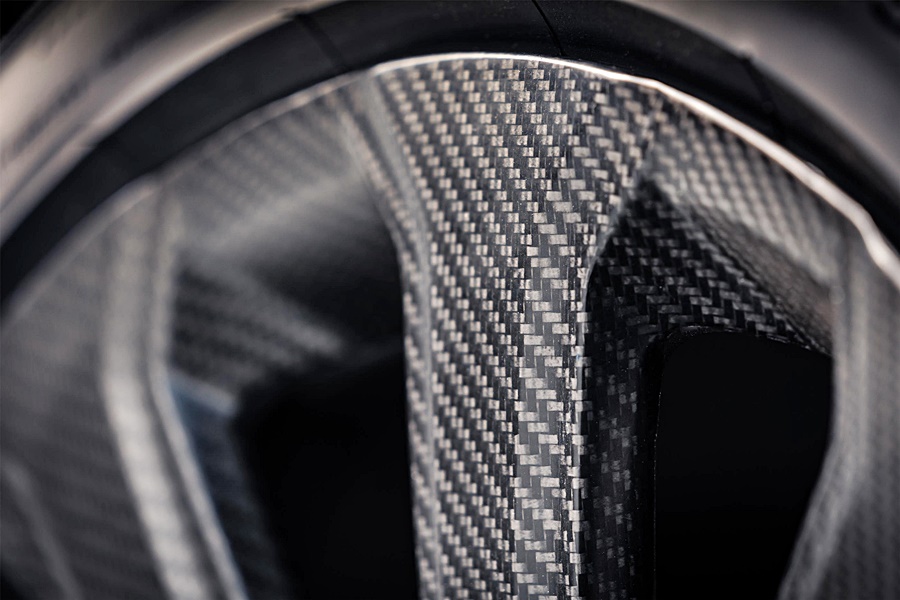
A new legislative proposal from the European Parliament has sent ripples through the global automotive and aerospace sectors, as it aims to designate carbon fibre as a hazardous material under European Union law. The move, if approved, would make the EU the first government entity worldwide to apply such a classification to the lightweight composite,
The proposed amendment forms part of the revised End of Life Vehicles (ELV) Directive, which governs the recycling and disposal of vehicles within the EU. Lawmakers have expressed concern that carbon fibre filaments may become airborne during disposal or recycling processes and pose risks to human health upon skin contact. As a result, the material could soon join the EU’s restricted substances list—currently comprising lead, cadmium, mercury, and hexavalent chromium—materials already subject to strict limitations in manufacturing.

Should the European Parliament adopt the proposal, restrictions on the use of carbon fibre would begin to take effect in 2029, prompting a phased reduction across industries. Automotive manufacturers alone account for an estimated 20 percent of the global demand for carbon fibre, highlighting the widespread implications of the amendment.
The reaction from the market was swift. Shares of Japan’s leading carbon fibre producers—Teijin, Toray Industries, and Mitsubishi Chemical—plummeted following the announcement, according to Nikkei Asia. Collectively, these companies supply more than half of the world’s carbon fibre. European producers dominate the remainder of the market, meaning the regulation could have global economic repercussions.
Particularly vulnerable are sports car and supercar manufacturers, who have long relied on carbon fibre for its ability to enhance performance while minimising weight. Electric vehicle (EV) makers are also expected to face challenges. Brands such as BMW, Hyundai, Lucid Motors, and Tesla all utilise carbon fibre extensively in their EV platforms to maximise range and improve structural integrity.

The aircraft industry, another major consumer of carbon fibre, is also likely to mount significant resistance. The composite material forms the backbone of many modern aircraft components due to its strength-to-weight ratio, and any restriction would create massive logistical and financial obstacles.
Despite the EU’s environmental and health concerns, the global carbon fibre market was valued at US$5.5 billion in 2024—a figure that underscores the considerable pushback the amendment is likely to encounter. With widespread reliance on the material across key industries, pressure is mounting on EU lawmakers to reconsider or revise the scope of the proposed classification.
The outcome of this legislative effort could reshape manufacturing practices across Europe and beyond, leaving companies scrambling to identify alternative materials or lobby for exemptions as the 2029 implementation date looms.