
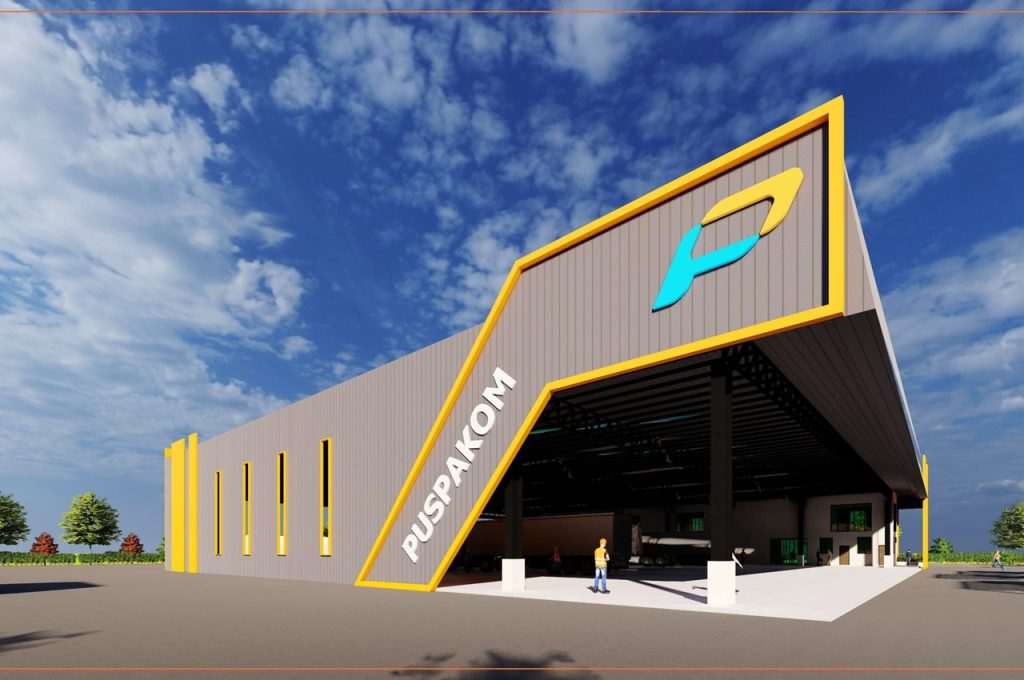
Puspakom is implementing a multi-year programme aimed at growing and modernising its vehicle inspection network nationwide by expanding its branches and adopting technology to boost its service capacity and ease congestion at its outlets nationwide. Part of the programme will include development of new branches, the relocation and expansion of existing facilities as well as
Puspakom is implementing a multi-year programme aimed at growing and modernising its vehicle inspection network nationwide by expanding its branches and adopting technology to boost its service capacity and ease congestion at its outlets nationwide.
Part of the programme will include development of new branches, the relocation and expansion of existing facilities as well as gradual addition of inspection lanes, alongside technology enabled processes.
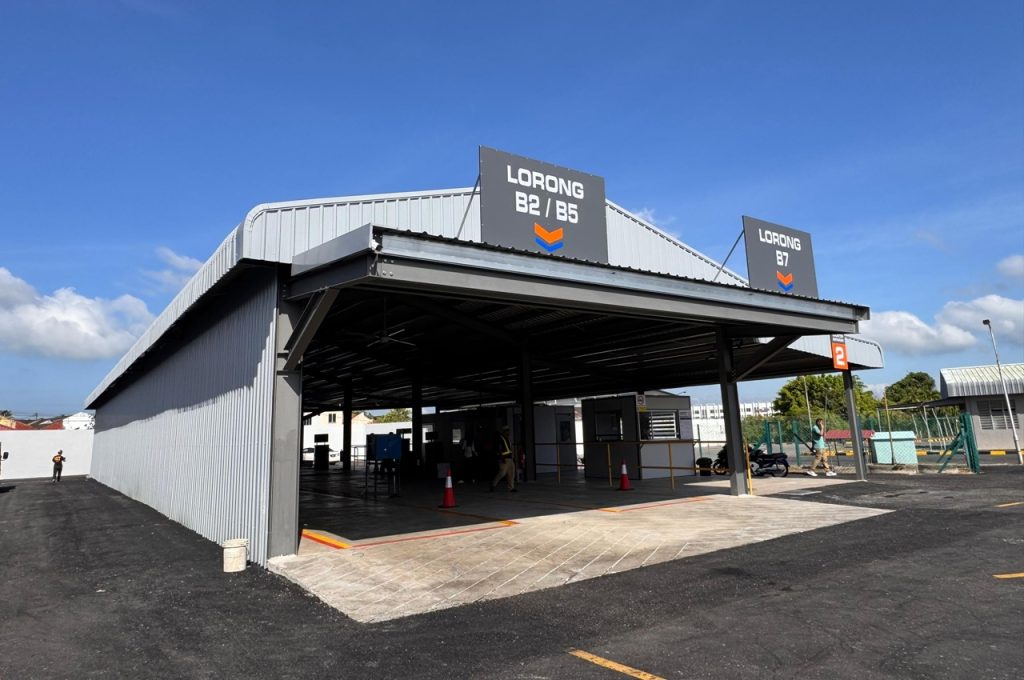
Puspakom conducted 4.22 million vehicle inspections across 53 branches nationwide in 2025, with an average inspection time of 35 minutes per customer.
If all goes according to plan, the next few years will see Puspakom open new branches in Kajang, Cyberjaya, Bukit Beruntung, Pelabuhan Klang and Pulau Pinang, alongside expanding and upgrading high-demand locations such as Batu Caves and Kluang.
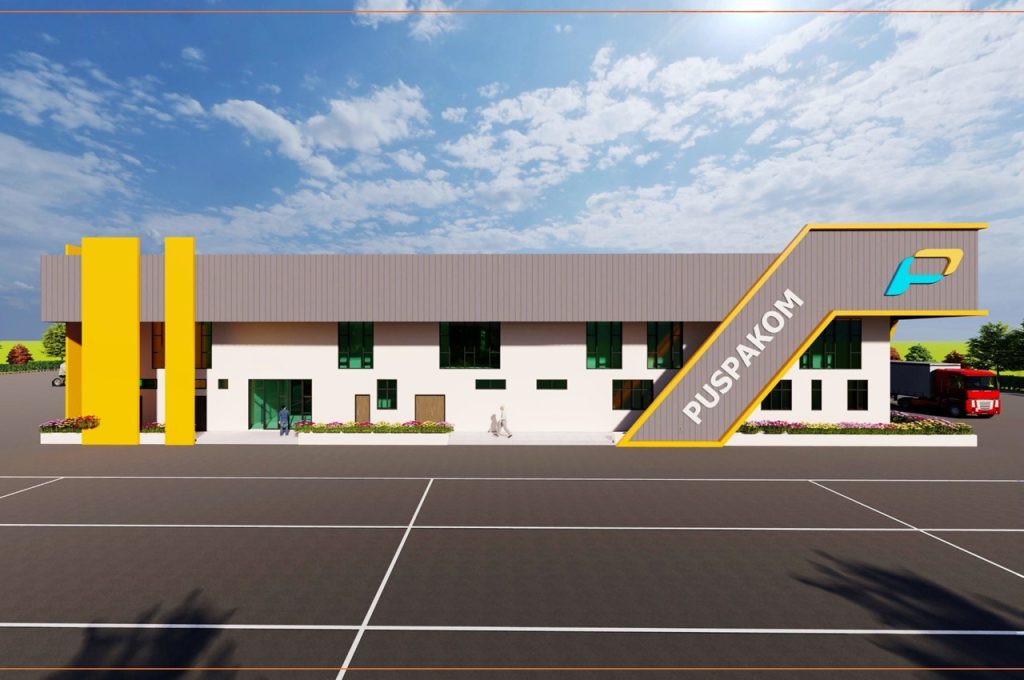
The Kajang branch is slated to begin operations in June 2026 and is designed to handle up to 800 vehicles per day, making it one of their higher capacity facilities. Furthermore, the proposed Cyberjaya branch is scheduled to open in May 2027 and will support inspections for newer vehicle categories, including EVs.
You may also be interested: Puspakom To Put A Stop On Errant Brake Practices With New Heavy Vehicle Inspection Protocol
Additionally, the Bukit Beruntung branch involves the relocation of the existing Wangsa Maju operations and is set to begin operations in June 2027 with a daily capacity of 440 vehicles.
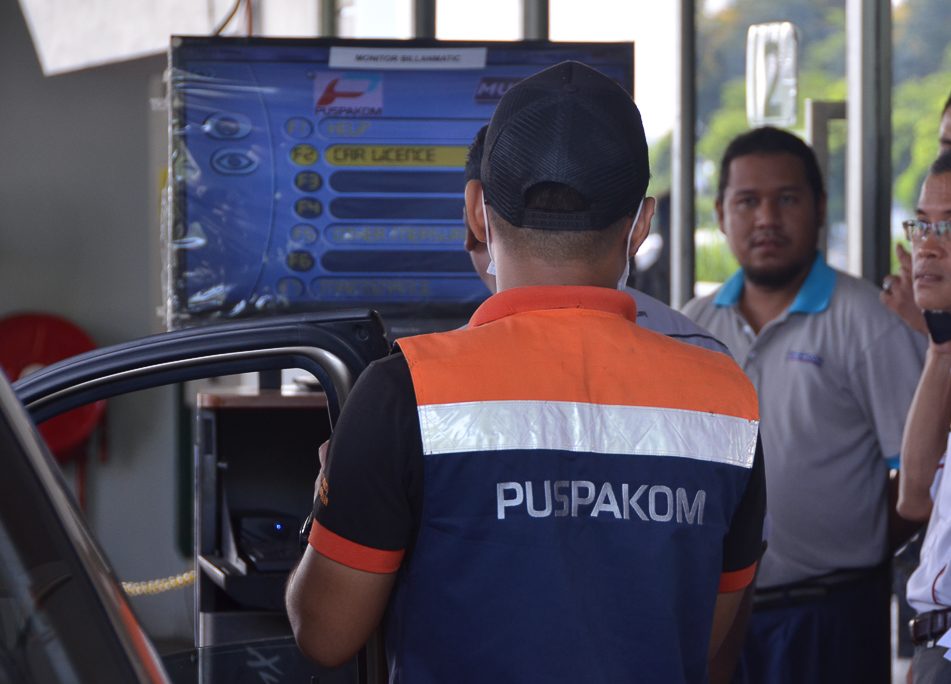
On the other hand, the the Batu Caves branch is being expanded into a larger facility, capable of handling 512 vehicles per day when completed in May 2027.
You may also be interested: Puspakom Warns Tint Firms and Runners Against Misleading Claims on Compliance Standards
Expansion works have been completed at several existing branches, with the Alor Setar branch increasing daily inspection capacity by 48 percent, from 340 to 504 vehicles per day. The same goes for the Seremban branch that saw capacity increased from 588 to 692 vehicles per day.
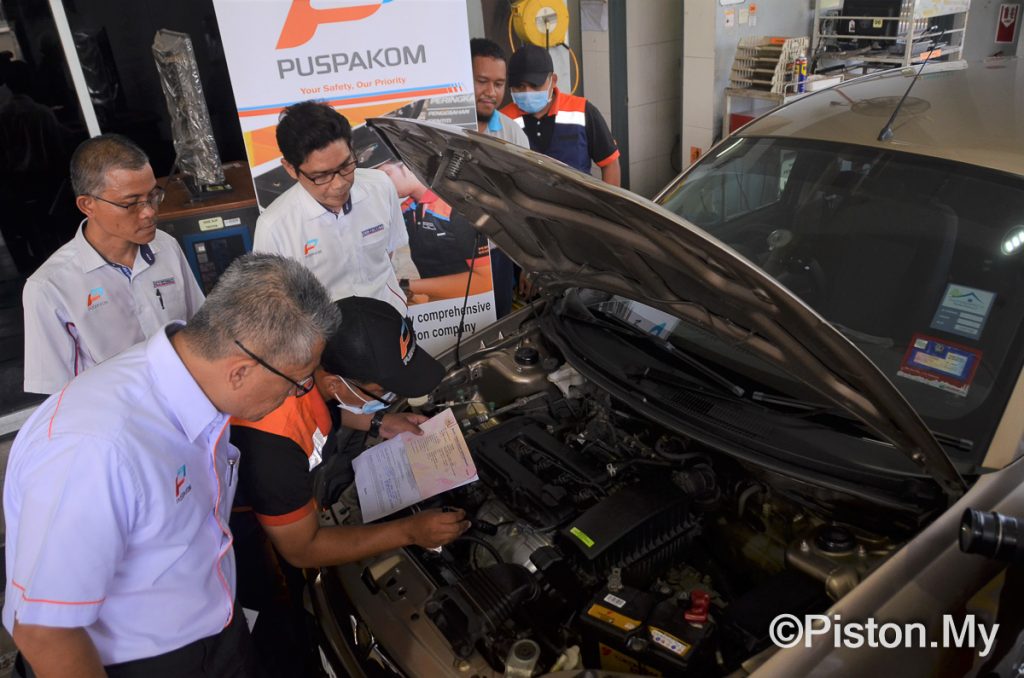
A key component to accommodating more vehicles is Puspakom’s established digital systems, including its Computerised Vehicle Inspection System (CAVIS) version 4, which underpins inspection workflows, data capture and reporting across its branches.
Moving forward, the company plans to introduce artificial intelligence (AI) tools to support vehicle inspections, starting with undercarriage assessments.
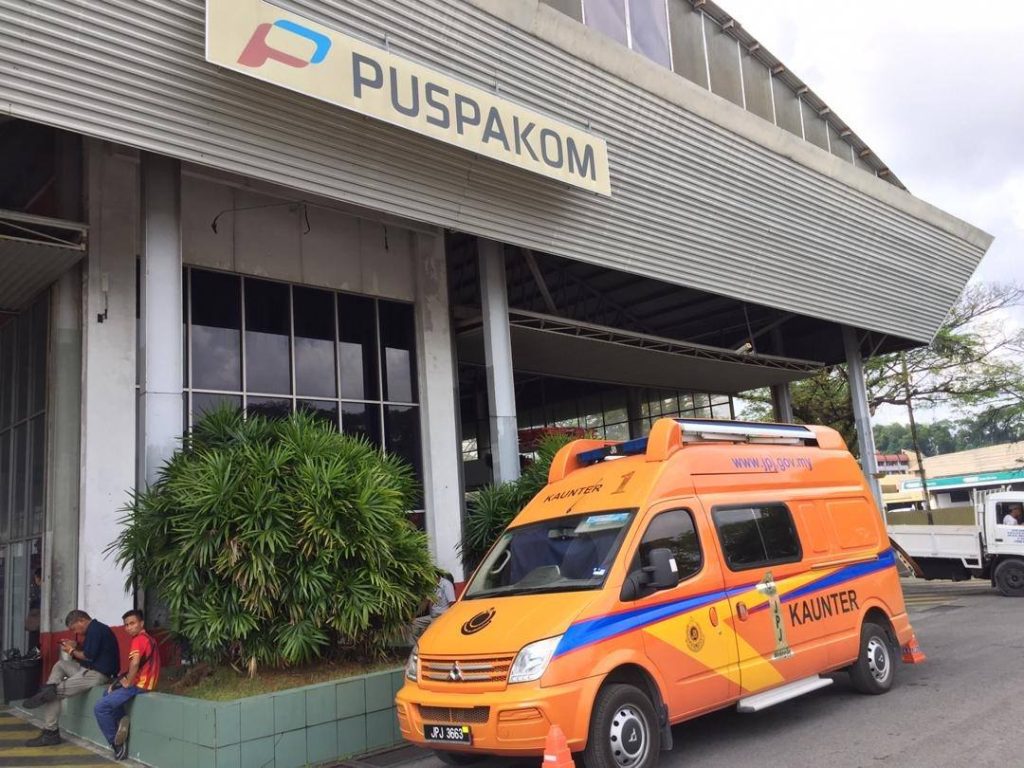
Puspakom has already received approval from the regulatory body, the Road Transport Department (JPJ), in December 2025 to implement an AI-assisted system conducted through its Mobile Truck Service (MTS), with deployment scheduled from April 2026.
“All final Pass or Fail decisions will continue to be made by our Vehicle Examiners, in accordance with the Road Transport Act 1987 and the National Guidelines on AI Governance and Ethics (MASTIC),” said Puspakom Chief Executive Officer, Mahmood Razak Bahman.
On a separate note, Puspakom is also moving ahead with development of an artificial intelligence-based system known as ASTRA (AI Surveillance and Tracking), which focuses on above-carriage inspection, governance and compliance. The system is jointly developed with Universiti Tun Hussein Onn Malaysia (UTHM).
ASTRA comprises five artificial intelligence modules, including facial recognition for Vehicle Examiners, vehicle number plate recognition, chassis and engine number detection, as well as monitoring of safety helmet usage, inspection tool handling and Vehicle Examiners’ movements during inspections.
“Technology supports our certified Vehicle Examiners, but it is their judgement, accountability and adherence to procedures that remain at the core of every inspection,” explained Mahmood.
ASTRA’s system development was completed in January 2026 and the next phase comprises testing that is scheduled to begin at the Shah Alam branch in February 2026. Pilot implementation, post-mortem evaluation and system enhancements are all slated for completion by September 2026.