
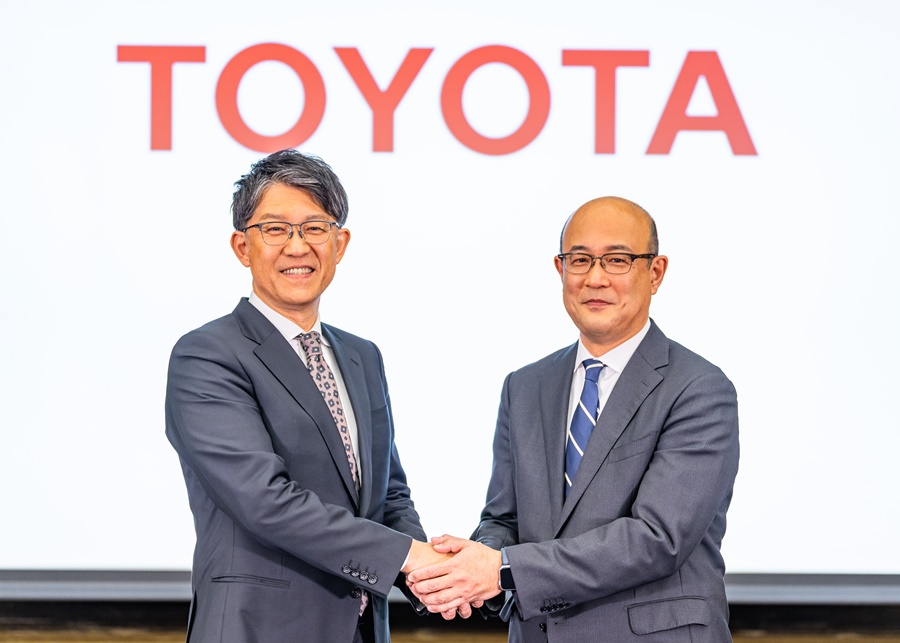
Toyota has announced a change at the very top. Kenta Kon will take over as president and CEO, replacing Koji Sato, who moves into a vice chairman role and assumes the newly created position of chief industry officer under Akio Toyoda. On paper, it’s a leadership reshuffle. But for those who care about cars, it
Toyota has announced a change at the very top. Kenta Kon will take over as president and CEO, replacing Koji Sato, who moves into a vice chairman role and assumes the newly created position of chief industry officer under Akio Toyoda.
On paper, it’s a leadership reshuffle. But for those who care about cars, it feels like something more than that.
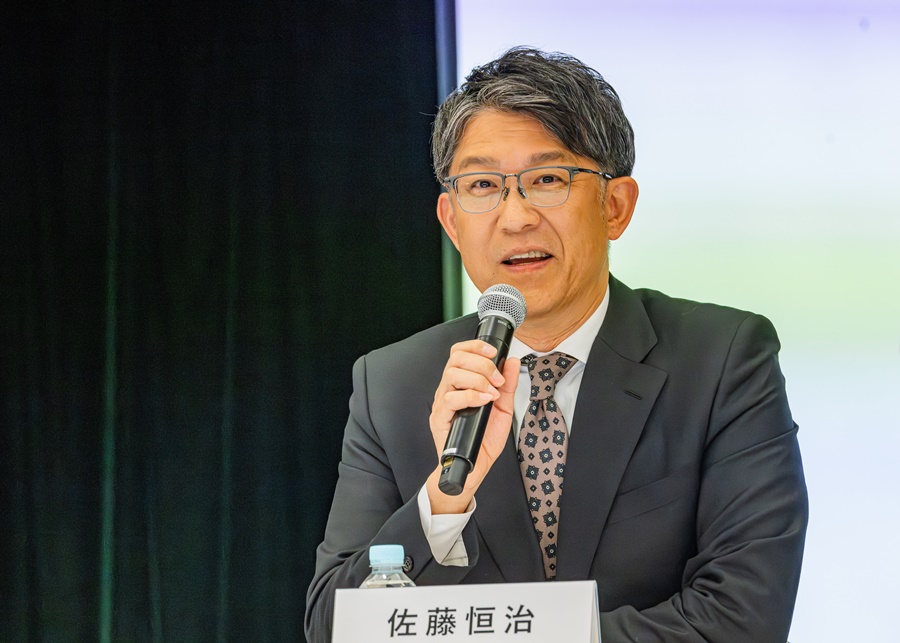
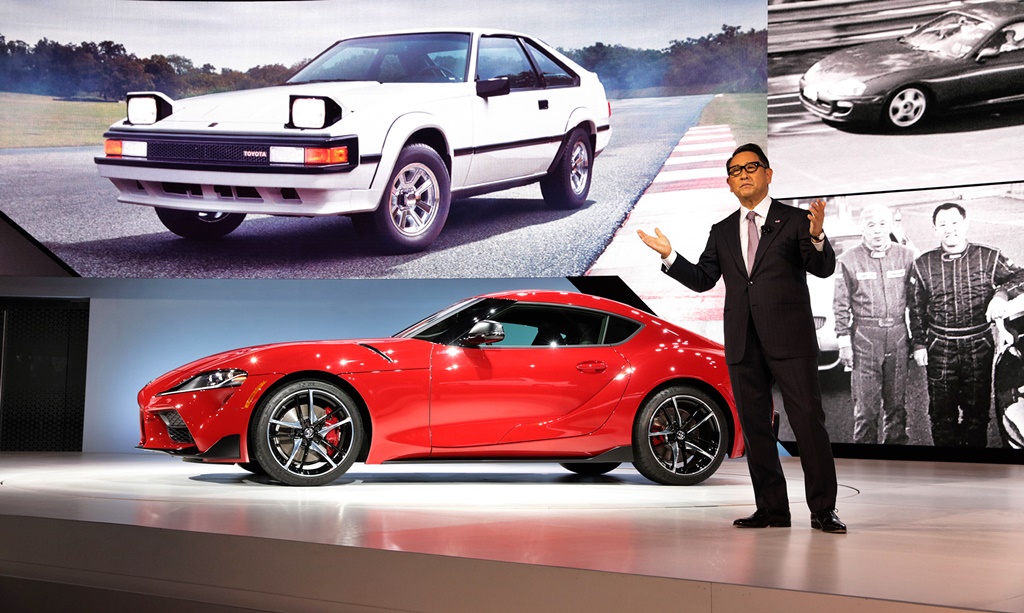
For the past decade, Toyota’s product direction has been shaped by people who genuinely cared about how cars feel, not just how they perform on paper. Akio Toyoda didn’t reject what Toyota stood for before him. He doubled down on it, then layered emotion on top.
Reliability, usability and longevity remained non-negotiable. What changed was the belief that those qualities didn’t have to come at the expense of character. The now-famous “no more boring cars” line was never an insult to older Toyotas. It was a challenge to the organisation itself.
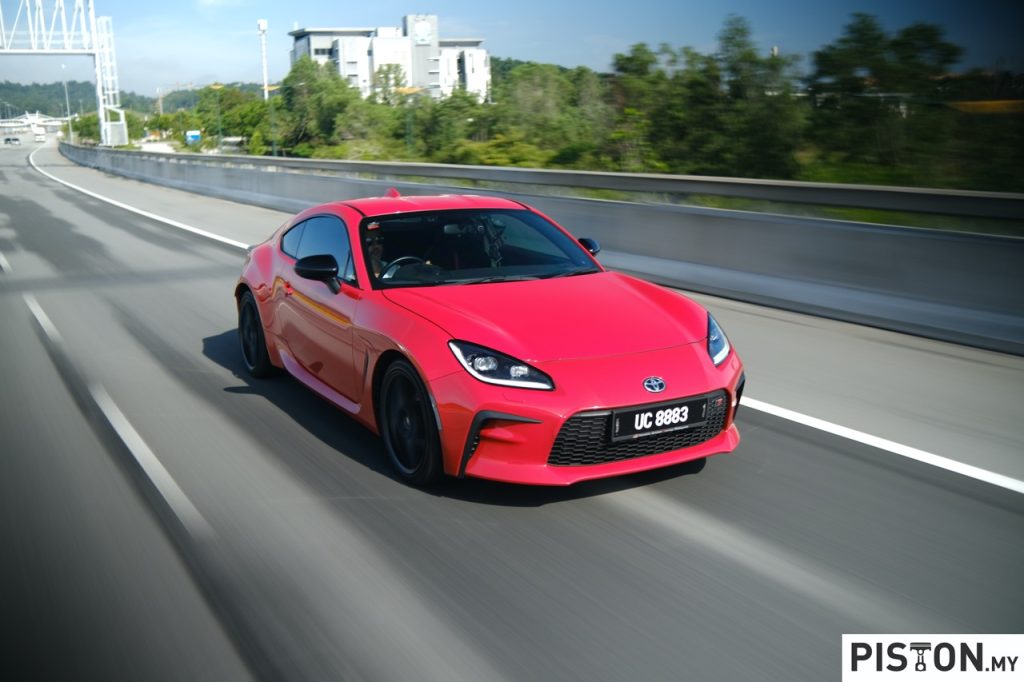
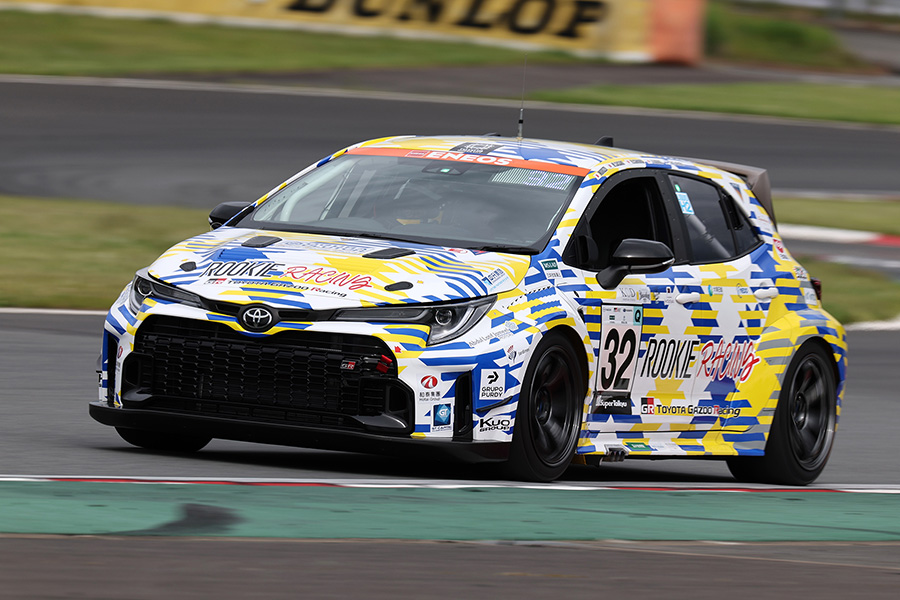
That shift found its clearest expression in Gazoo Racing. GR wasn’t built as a marketing layer. It was treated as a proving ground, both technically and culturally. Motorsport mattered. Driver feedback mattered. Engineers were allowed to speak in plain language.
Cars like the GR Yaris, GR Corolla, GR86, GR Supra, and most recently the GR GT weren’t designed to chase volume. They existed to remind people that Toyota still understood why driving mattered.
Koji Sato, who came up through engineering and Lexus, continued that direction. Under his leadership, it became less of a rebellion and more of a pillar.
You may also be interested in: May The More Hardcore Toyota GR Yaris RR Morizo Mend Our Broken MR2 Hearts
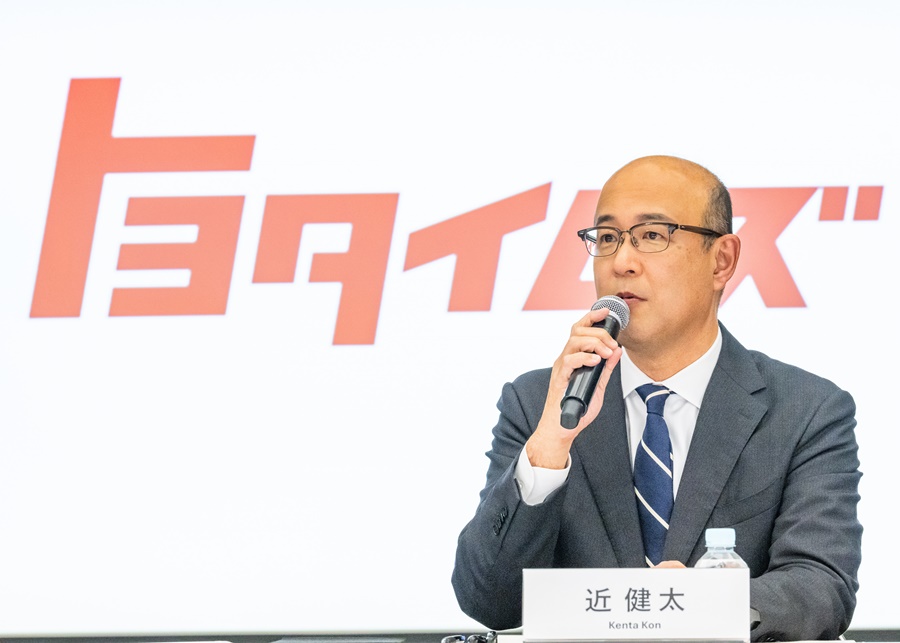
A finance guy at the top changes the questions. Kenta Kon has been clear about who he is. He likes cars, but he is a finance guy. He is particular about margins, earning power, and the financial discipline required to ensure long-term sustainability.
For enthusiasts, that can sound unsettling. But it doesn’t automatically mean the end of engaging cars. What it does mean is that decisions will be framed differently. Cars will be asked to justify themselves more clearly. Not just in terms of brand image, but in terms of how often Toyota can afford to take risks, and how big those risks can be.
Gazoo Racing is not going anywhere. It’s too valuable, too embedded, and too globally recognised to be unwound. But the era of instinctive, personality-driven green lights may give way to something more measured. GR will likely remain. The question is whether it will still be allowed to be irrational when it needs to be.
You may also be interested in: Toyota Expands GR Corolla Line-up in Malaysia with New Automatic Variant
If there’s one area where a finance-led CEO arguably strengthens Toyota’s position, it’s the company’s long-standing multi-pathway approach to electrification.
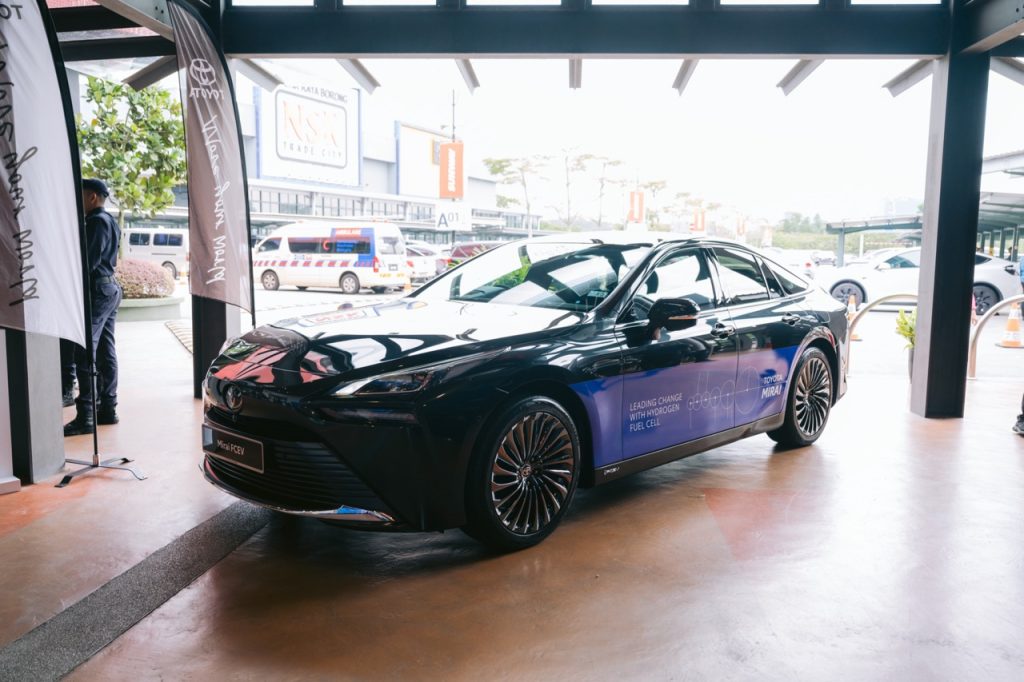
Toyota took heat for not going all-in on battery EVs. Instead, it invested heavily in hybrids, plug-in hybrids, hydrogen, and continued ICE efficiency. For years, that stance was framed as conservative or even resistant. Today, many of Toyota’s critics are quietly revising their timelines.
Hybrids are profitable. EV margins remain thin. Infrastructure is inconsistent. Demand varies wildly by market. In that context, Toyota’s restraint looks less ideological and more pragmatic. And right now, is one of the industry’s most valuable assets.
You may also be interested in: Toyota Teases Possible MR2 Comeback Ahead of Tokyo Auto Salon
But one important detail in this reshuffle is what didn’t happen. Koji Sato was not pushed aside, he was repositioned. As vice chairman and chief industry officer, and as chairman of JAMA, Sato now operates at a level where he influences collaboration, policy, and the broader direction of the Japanese automotive industry.
Toyota remains the world’s largest carmaker and one of its most profitable. But the pressures it faces are real. Chinese manufacturers are attacking on price and speed. Software expectations are rising. Trade barriers are becoming more unpredictable. Tariffs alone are expected to cost the company billions. In that environment, passion alone doesn’t keep the lights on.
Installing a CEO who understands cost structures, break-even points, and value chains does not necessarily signal the end of enthusiast cars. It signals an attempt to make sure Toyota can still afford to build them a decade from now.
You may also be interested in: UMW Toyota Reaffirms Role in Malaysia’s Clean Mobility Transition at CETA 2025
So what happens to the cars?
Toyota is no longer trying to prove it can make engaging cars. That chapter has already been written. The harder question now is whether that engagement can survive scale, regulation, and an increasingly hostile global market.
Kenta Kon’s appointment is not the end of Gazoo Racing. It’s a test. Can Toyota preserve a culture built on feel and intent without relying on a single personality at the top?
The answer will not come from boardroom announcements or strategy decks. It will come from the next GR car that feels slightly unnecessary, slightly irrational, and approved anyway. That’s when we will know whether Toyota has truly learned how to balance passion with permanence.
You may also be interested in: Toyota Returns to Its Roots as GAZOO Racing Reclaims Its Original Identity