
It was four years ago when the Kia Carnival surprised me. Not because it was perfect, but because it was so fundamentally well-sorted at its core. It did the MPV brief properly. It was comfortable, spacious, refined and shockingly easy to drive for something that could double as a small hall. Now, after driving the
Now, after driving the 2026 Kia Carnival facelift around Janda Baik and Tanjung Malim, I am reminded of everything I liked about it. Except this time, most of my nitpicks are gone. Talk about progress.
2026 Kia Carnival Exterior – Cleaning up what didn’t need drama
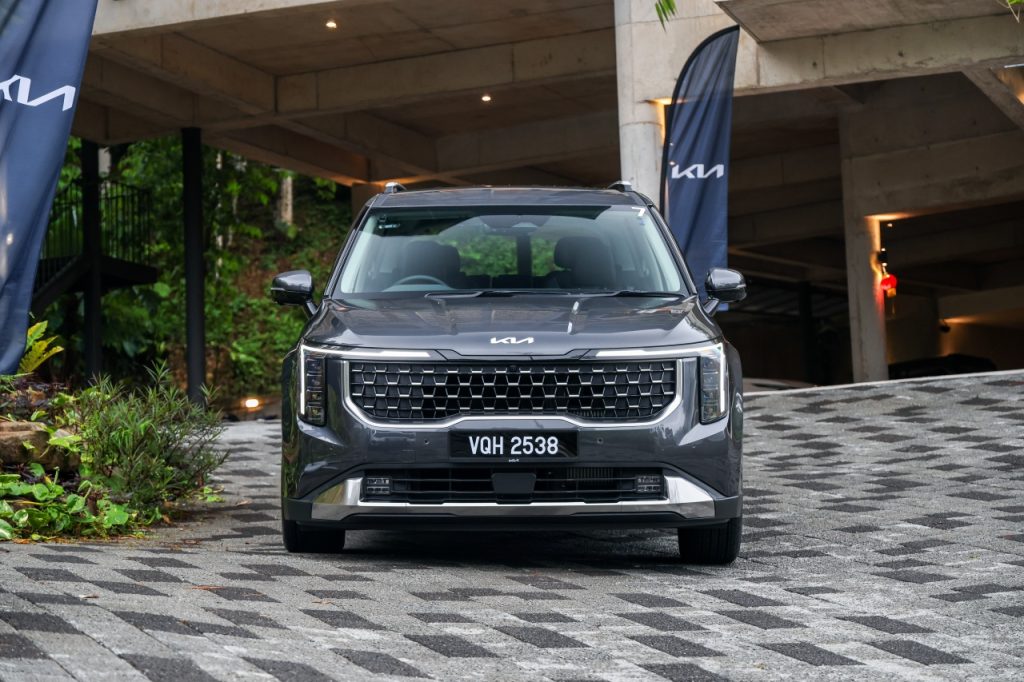
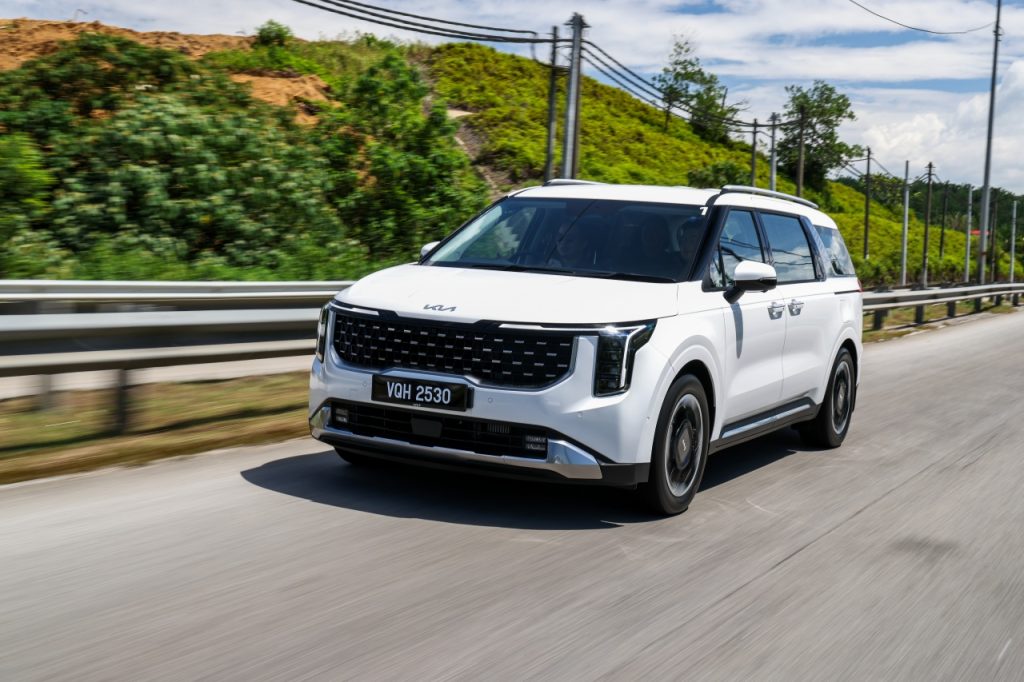
The overall shape hasn’t changed, and that’s a good thing. The Carnival still looks like one of the best-executed bus-sized MPVs on sale. It embraces its boxy proportions rather than trying to disguise them.
But the facelift tidies up the small things that used to bother me.
You may also be interested in: A New Face For The 2026 Kia Carnival But It Still Beats With The Same Heart, From RM189k
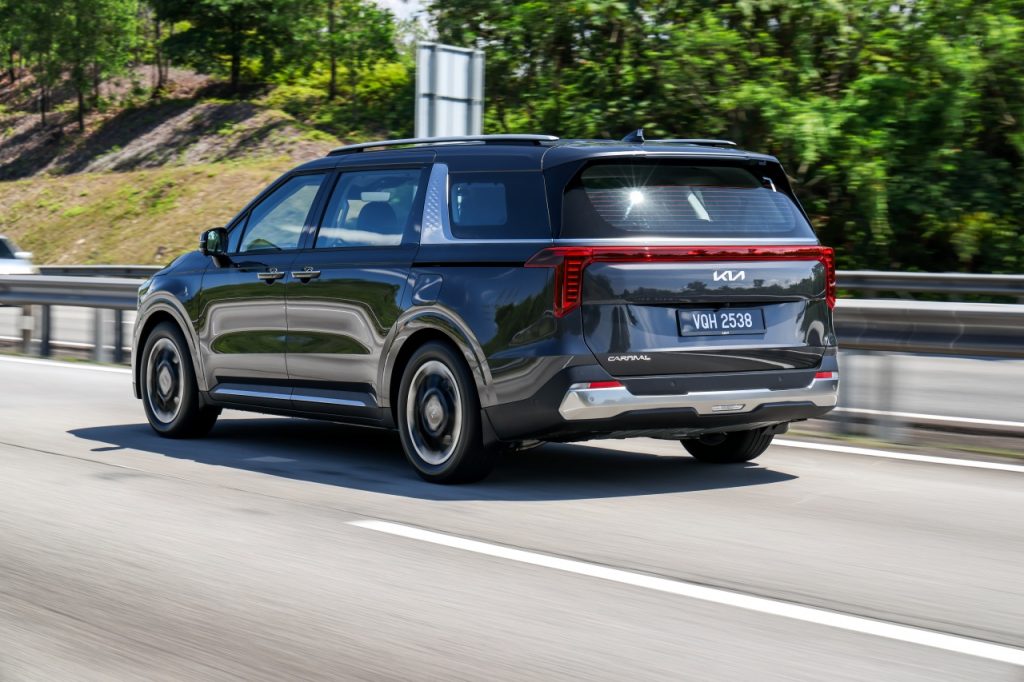
The most obvious fix is at the rear. Previously, there was that awkward slit below the number plate purely for the boot release. It looked like an afterthought. Now that the number plate has been repositioned slightly lower, the whole tailgate looks neater and more integrated. No random cut-out anymore.
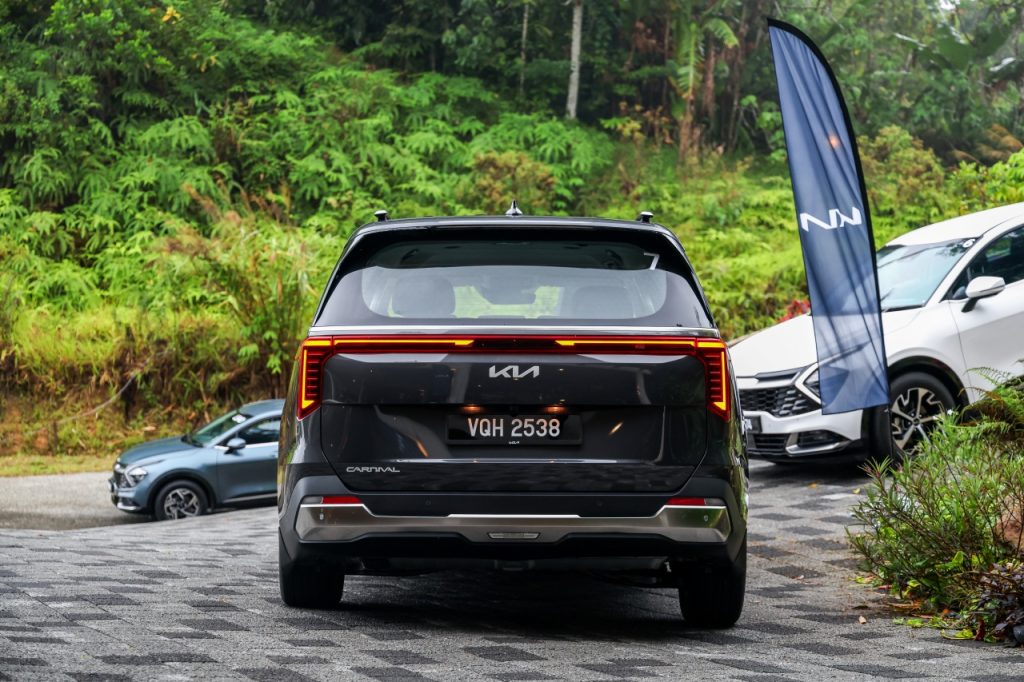
The indicators are also now integrated into the tail-lights instead of being stuck down on the rear bumper. I’d argue that’s not just aesthetically better, but also functionally safer. Indicators higher up are easier to spot in traffic, especially with taller SUVs and lorries around.
2026 Kia Carnival Interior – The nitpicks, addressed
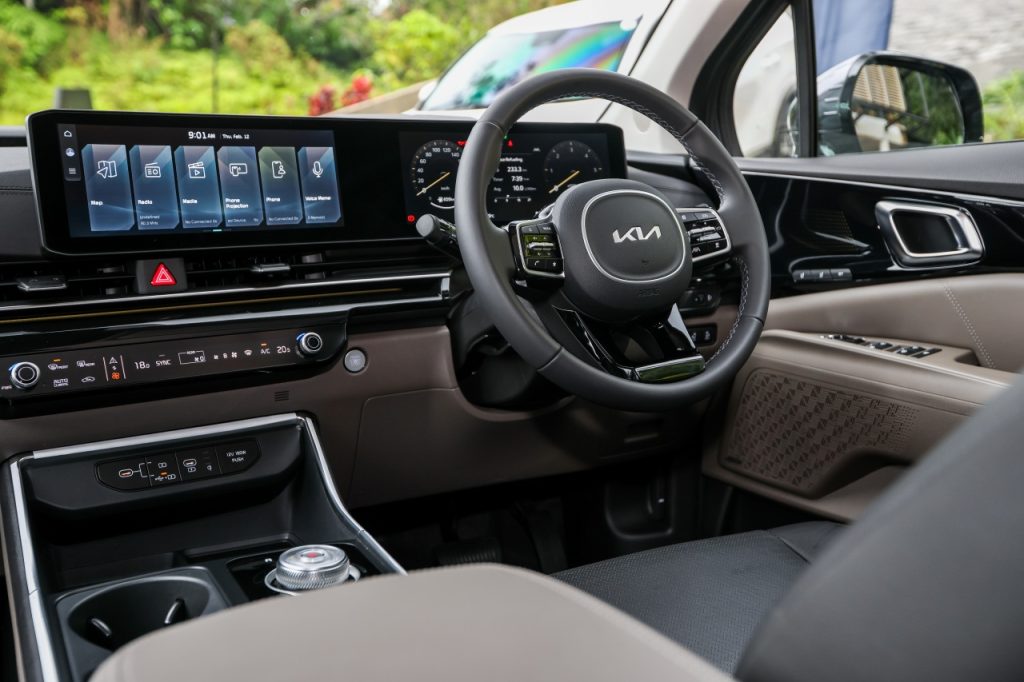
Inside is where most of my previous complaints have been quietly erased.
The old analogue instrument cluster in the 11-seater variant, which looked out of place in a dashboard clearly designed for a screen, is gone. All variants now get dual screens. The layout finally looks cohesive, as intended from day one.
The piano black trim is also less prominent. It’s still there in places, but it no longer dominates the centre console the way it used to. That alone reduces fingerprints, scratches and daily annoyance.
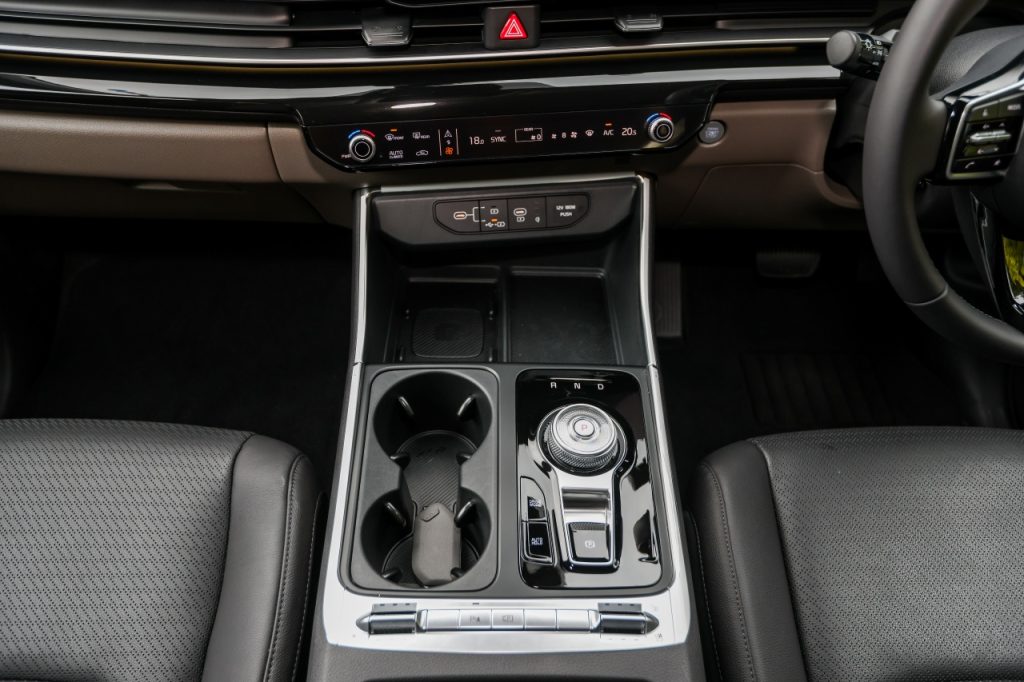
Cavernous space remains what it always was. You still get that sense that each seat operates in its own time zone. As before, the 11-seater works best as an eight-plus-three rather than a true 11 for adults, but that hasn’t changed. The fourth row is still best reserved for short trips or smaller occupants.
The high floor is also still a thing. Elderly passengers will need a bit more effort climbing in, and that remains the only ergonomic compromise I can’t argue away. But overall, the cabin now feels more complete.
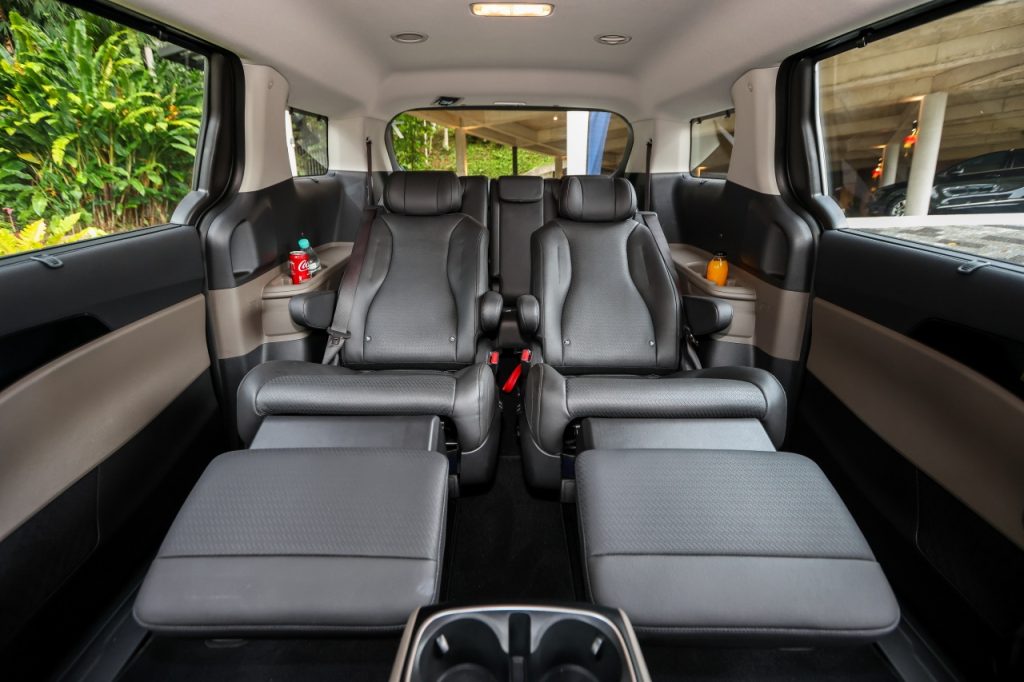
I didn’t spend time in the captain chairs during this drive, but I’ve experienced them before and the fundamentals haven’t changed. They are still among the better second-row setups in this price bracket. Proper cushioning with heated/ventilated function, and more than enough space for adults to stretch out. However, there’s no massaging function like in more “luxurious” alternatives.
You may also be interested in: Kia Sales Malaysia gets underway, aims to elevate the marque with improved ownership experience
2026 Kia Carnival Driving – Why handling still matters
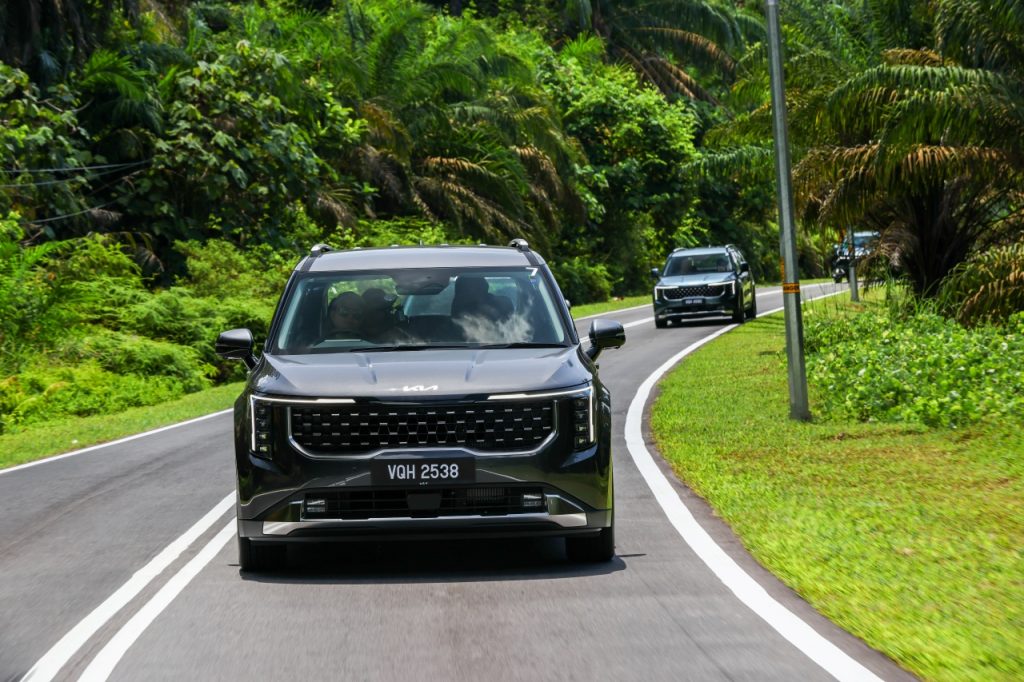
Driving the Carnival through the tighter roads of Janda Baik only reinforced what I felt years ago – it doesn’t feel its size.
You’re not constantly managing its mass. You’re not calculating body roll in advance nor bracing for lazy steering responses. The steering is accurate and appropriately weighted, and the rest of the car just follows along obediently in one cohesive motion.
Some people say handling doesn’t matter in a car like this. I disagree.
When you’re travelling with your entire family on board, the difference between a car that feels composed and one that feels clumsy is the difference between confidence and anxiety. I know which one I’d rather feel.
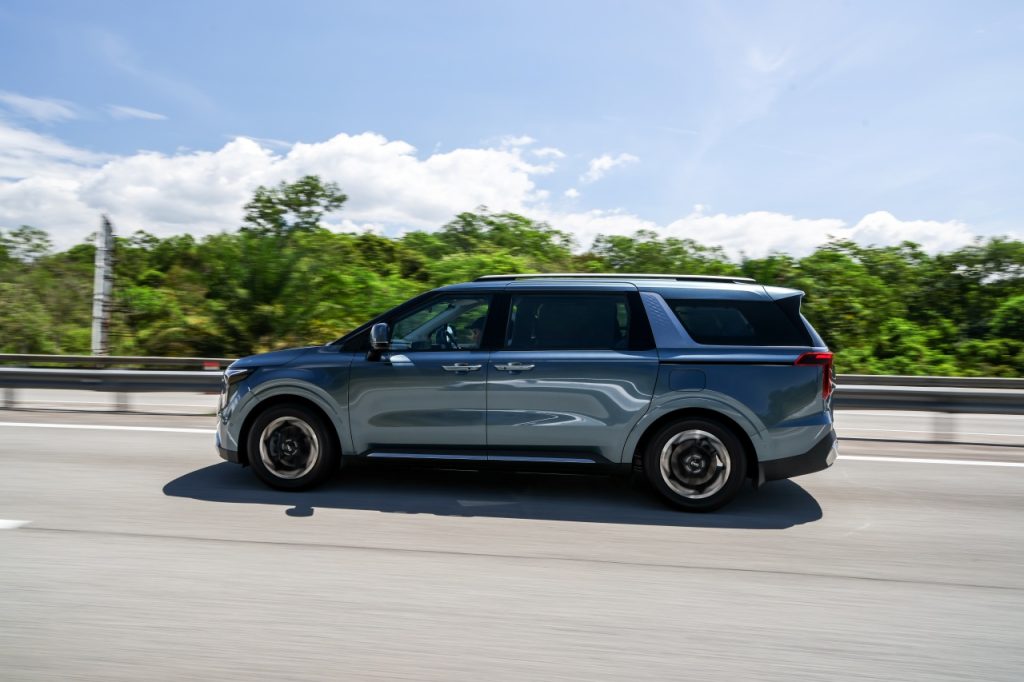
It’s not a sports car. It’s not meant to be. But the fact that it doesn’t drive like a boat is what elevates it above many large MPVs.
Ride comfort remains plush. It still glosses over poor surfaces with that familiar cushy composure. The rear can oscillate slightly over larger undulations, especially for those seated near the rear axle, but that’s the trade-off for its softer damping. It’s the same give-and-take as before. And on the larger 19-inch wheels in the 7-seater, there is a touch more jitter across poor surfaces.
The 2.2-litre turbodiesel remains the heart of the Carnival. Torque is plentiful. Overtakes are easy. Highway cruising is effortless. Kia Sales Malaysia claims over 900 km per tank, and that honestly feels conservative given how relaxed the engine is at speed.
You may also be interested in: Kia Sets Out to Rebuild Its Presence in Malaysia Under a New Principal-Led Structure
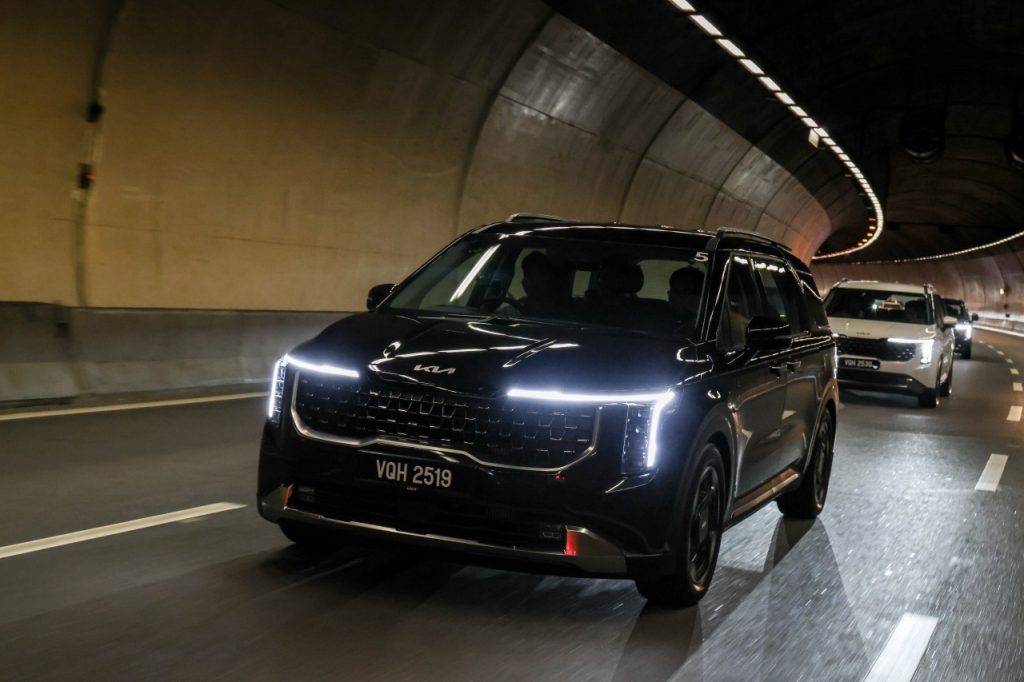
But two things stood out this time. First, diesel is now unsubsidised. That changes the ownership equation slightly, though the range per tank and torque delivery still make a strong case for long-distance family travel.
Second, I found myself needing to apply more throttle than expected when pulling out from junctions. It felt like the car was in a conservative mapping, reluctant to downshift unless I really prodded it. I don’t recall this trait from the pre-facelift, but that was four years ago, so I won’t pretend my memory is flawless.
Being a diesel also means there’s the inevitable clatter, especially from the outside. It’s not a deal-breaker, just something to keep in mind.
Here comes the big but
This part is harder to excuse in 2026. The 11-seater still lacks ADAS. No autonomous emergency braking. In this day and age, AEB should be the minimum. Especially in a vehicle designed to carry up to 11 people.
The seven-seater, on the other hand, gets the full suite. It also gets the Bose sound system and ventilated seats, which are a genuine blessing in our weather. But it costs about RM 60,000 more. On-the-road prices now sit at RM 189,849 for the 11-seater and RM 249,849 for the 7-seater.
Verdict – From excellent to harder to fault
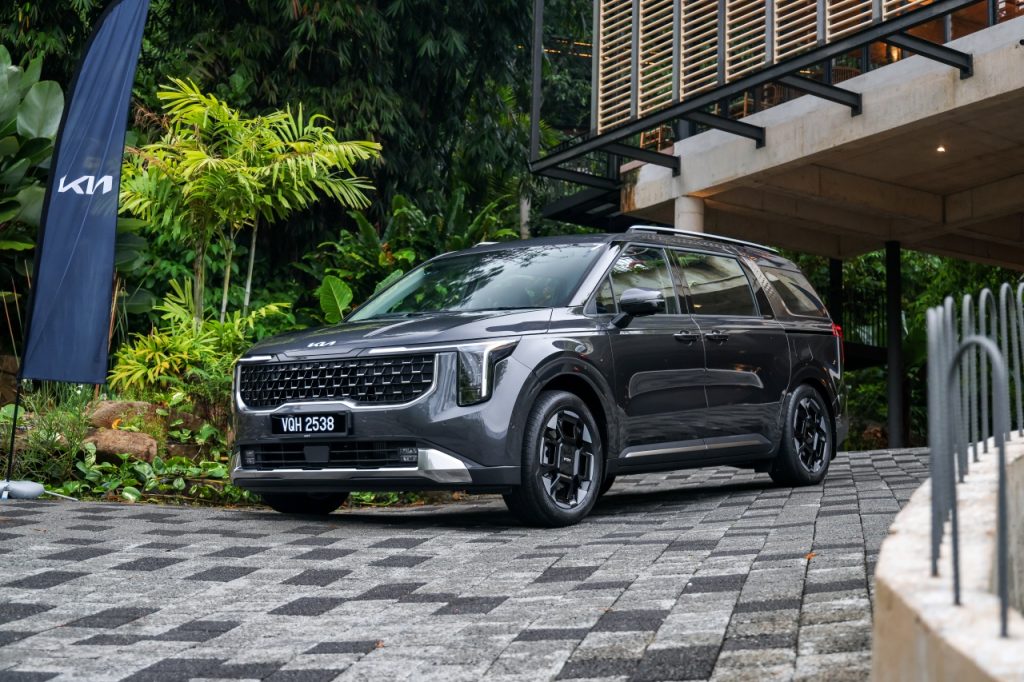
The facelifted Kia Carnival didn’t reinvent itself, because why fix something that isn’t broken? What it did was remove most of the small irritations that prevented me from calling it close to complete. The awkward tailgate slit is gone. The mismatched analogue dials are gone. The excessive piano black has been toned down.
What remains is a genuinely well-engineered, easy-driving, spacious MPV that still feels more cohesive and more confidence-inspiring than its size suggests.
My only real criticism? The lack of ADAS on the 11-seater. Fix that, and there would be almost nothing to complain about.
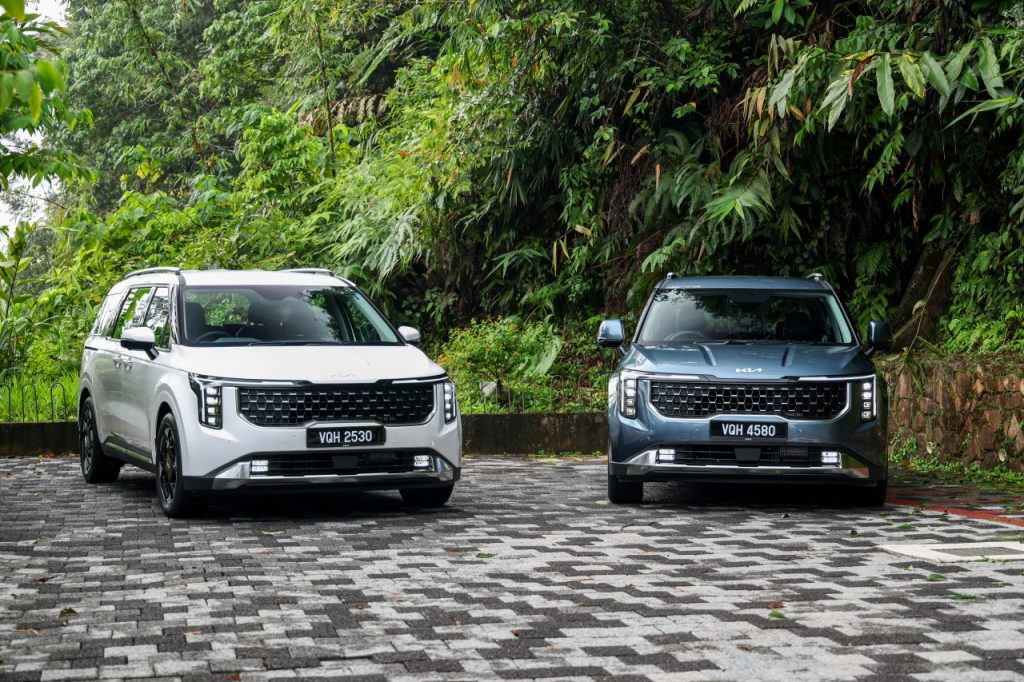
As it stands, it’s still one of the most convincing large MPVs you can buy under RM200k. And now, with fewer nitpicks, it’s even easier to recommend. But if you want the most complete Carnival, you’d have to “top-up a bit more” for the 7-seater. Then again, in Malaysia, everything is just a top up away from something better.
You may also be interested in: Kia Ends Partnership with Bermaz as Brand Prepares for Direct Operations in Malaysia
2026 Kia Carnival Specs
Engine: 2.2-litre Smartstream D, 4-cylinder turbodiesel
Transmission: Eight-speed automatic
Drivetrain: Front-wheel drive
Price (as tested): RM 249,849 (7-seater, OTR without insurance)
We like: Composed handling for its size, long-distance cruising ability, improved interior cohesion
We don’t like: No ADAS on 11-seater