
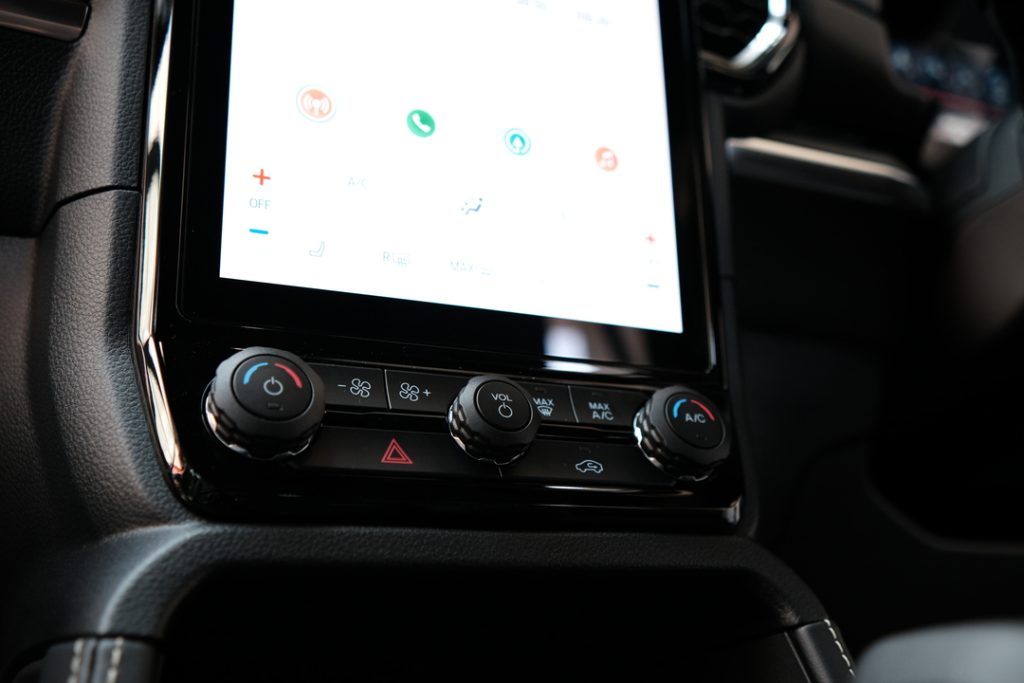
Perhaps this is the tipping point with modern cars burying almost all controls and functions within the infotainment touchscreen to the point that has legitimately become a dangerous distraction while driving. To counter that, China has taken a step towards mandating physical controls for certain functions in a car. There is even a term for
This comes hot on the heels of the country moving to ban flush or hidden door handles, followed by disallowing half-steering wheels or yoke steering.
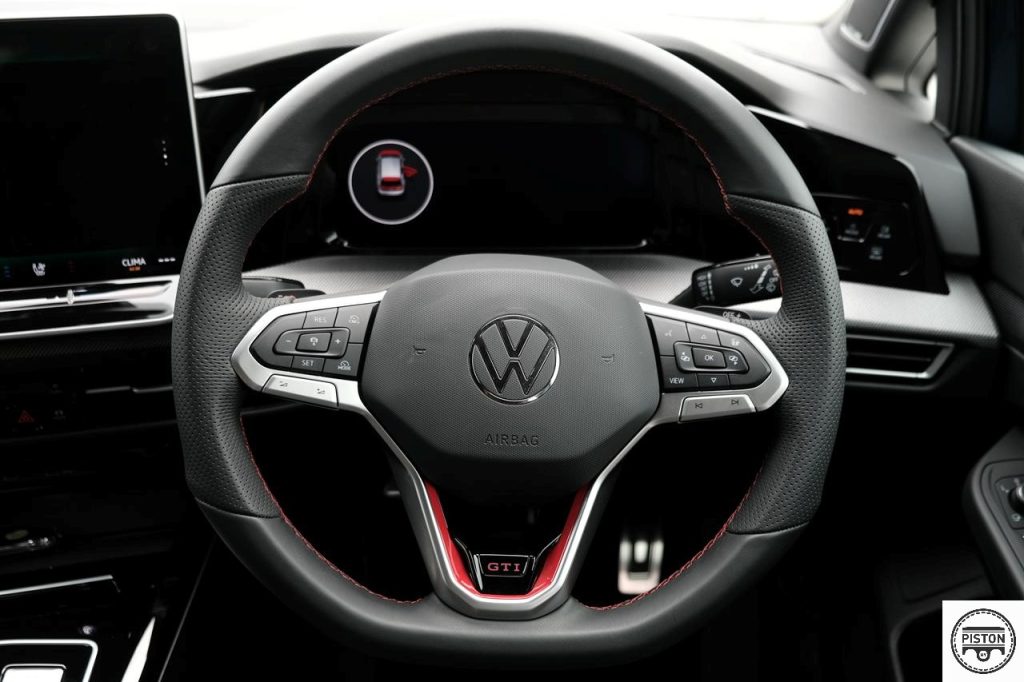
The announcement came from the Chinese Ministry of Industry and Information Technology (MIIT), the same body behind the move against door handles and half-steering wheels.
You may also be interested: China to Ban Retractable Door Handles Over Safety Fears from 2027
It signifies a landmark decision for the global car industry as Europe’s NCAP has also implemented a similar decision that will see the crash testing body deduct points for the lack of physical controls. For models to get a shot at the highest five-star rating, they will need to have physical buttons for certain functions.
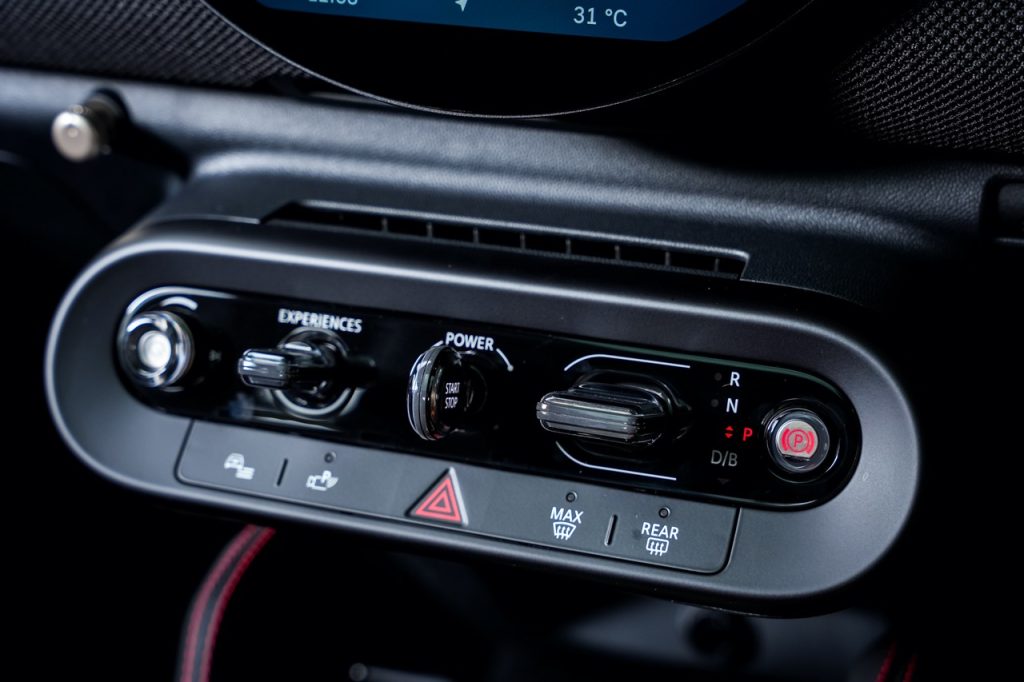
Effective 1 July 2027, all new cars sold in China will be required to have physical controls for indicators, switches to raise or lower windows and buttons to activate or deactivate advanced driver assistance technology (ADAS).
You may also be interested: China Bans Half-Steering Or Yoke Wheels
Furthermore, the ruling mandates that the physical controls must be easily accessible and largely blind-operable (can be operated without looking) to reduce distractions while driving.
Chinese carmakers begun the mass omission of physical controls, burying everything within the touchscreen with little regulations on how accessible key functions should be. This drew widespread criticism from safety experts.
Certain bodies have also indicated they might pressure the MIIT into further mandating physical switches for the hazard warning light and horn as well, alongside banning screen-only gear switching. This could grow to include wipers, demister, engine on/off and emergency call services.
It is believed research groups will push regulatory bodies to dictate that physical buttons must have a minimum operating area of more than 1cm x 1cm, aside from haptic feedback and blind-operation as well as being functional even if the infotainment system has crashed.
You may also be interested: Hyundai Pushes Back Against Touchscreen Overload, Returns to Physical Controls
Given that Europe has already done the same, the move will likely push many carmakers, especially American brands, back to the drawing board to redesign interiors to accommodate these new requirements.
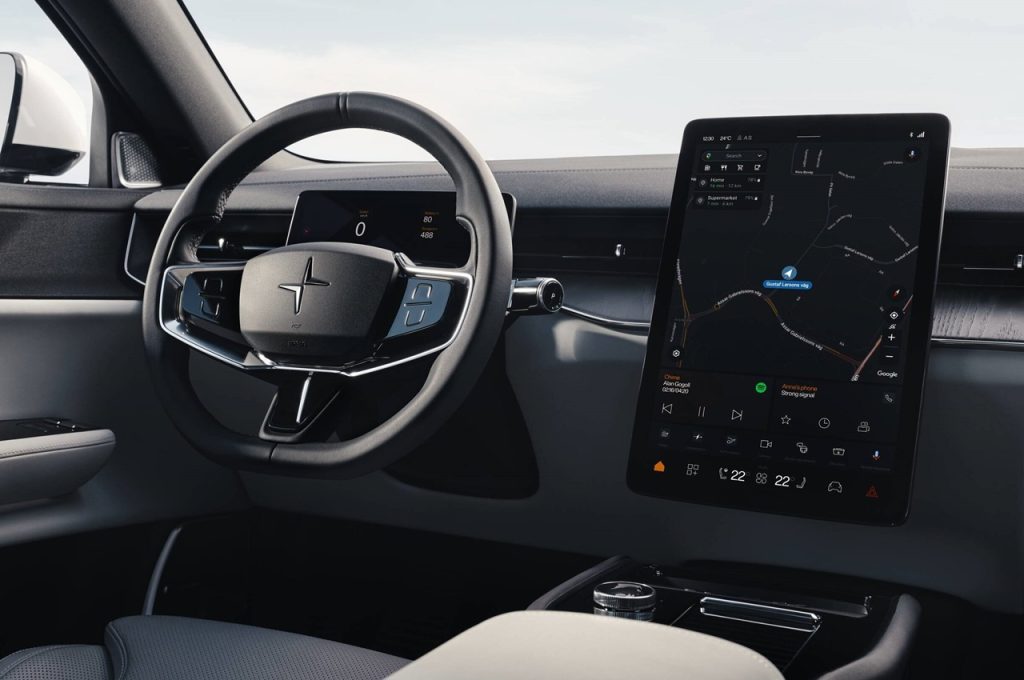
One such carmaker that has already indicated a shift towards physical buttons is Polestar. During the announcement of four new models by the end of 2028, the brand stated new models will incorporate more personality and less of that signature Scandinavian minimalism.
You may also be interested: A New High-Riding Polestar 4 Wagon Leads A Quartet Of New Models In The Next Three Years
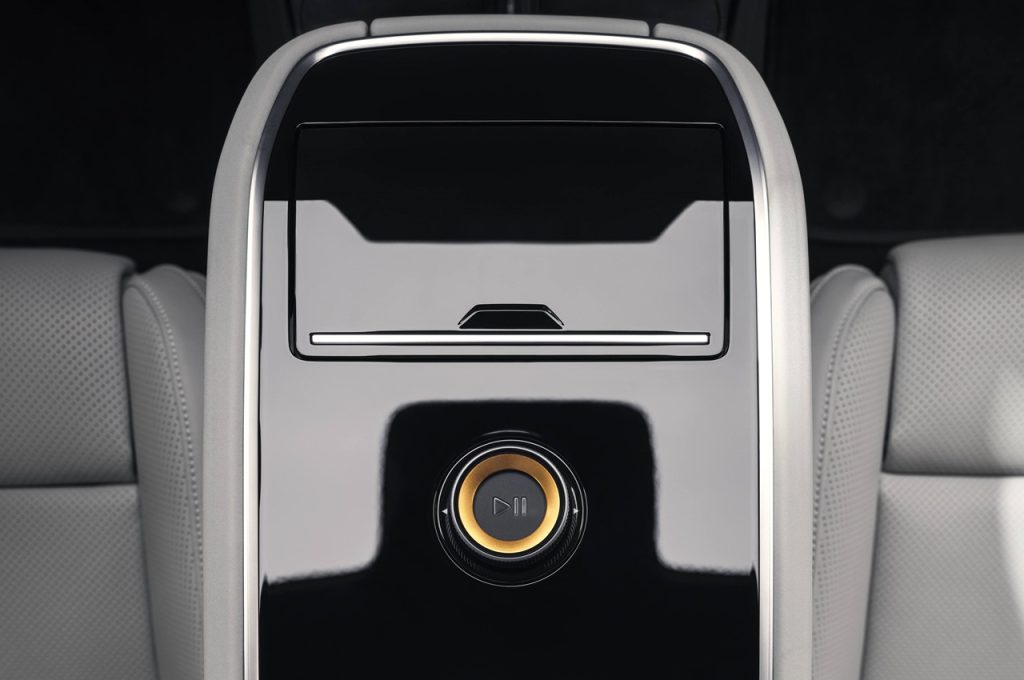
That means less software buttons and more hardware such as physical buttons or stalks. However, the carmaker will continue to use Google’s Android Automotive operating system while incorporating more personalisation for users.
Current Polestar models house most of the buttons in the central infotainment touchscreen and physical buttons on the steering wheel with a rotary dial for the volume.