
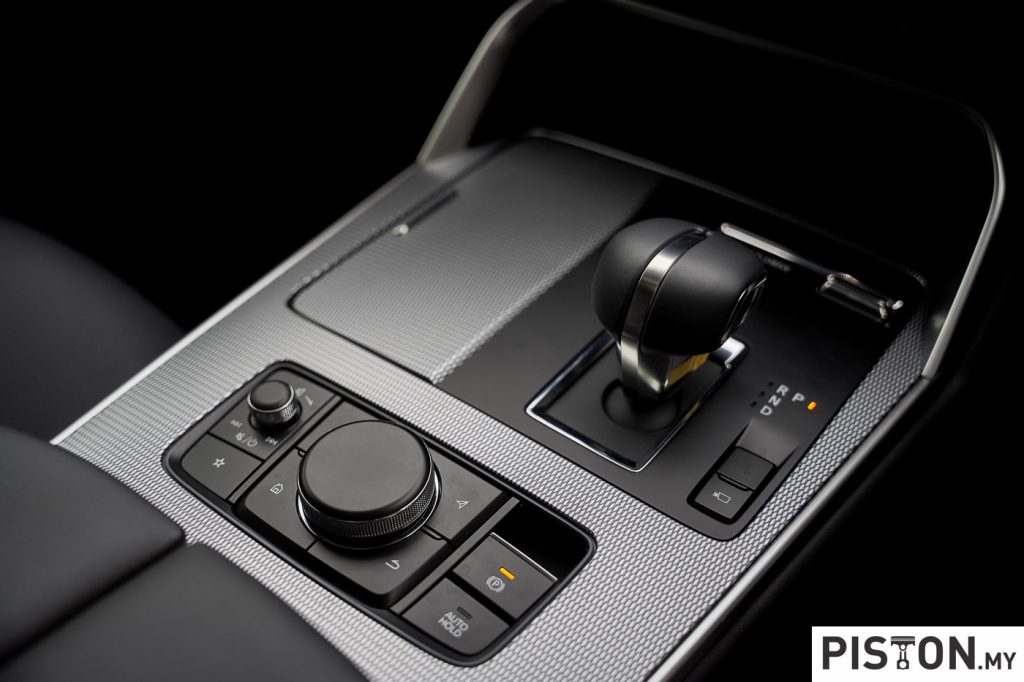
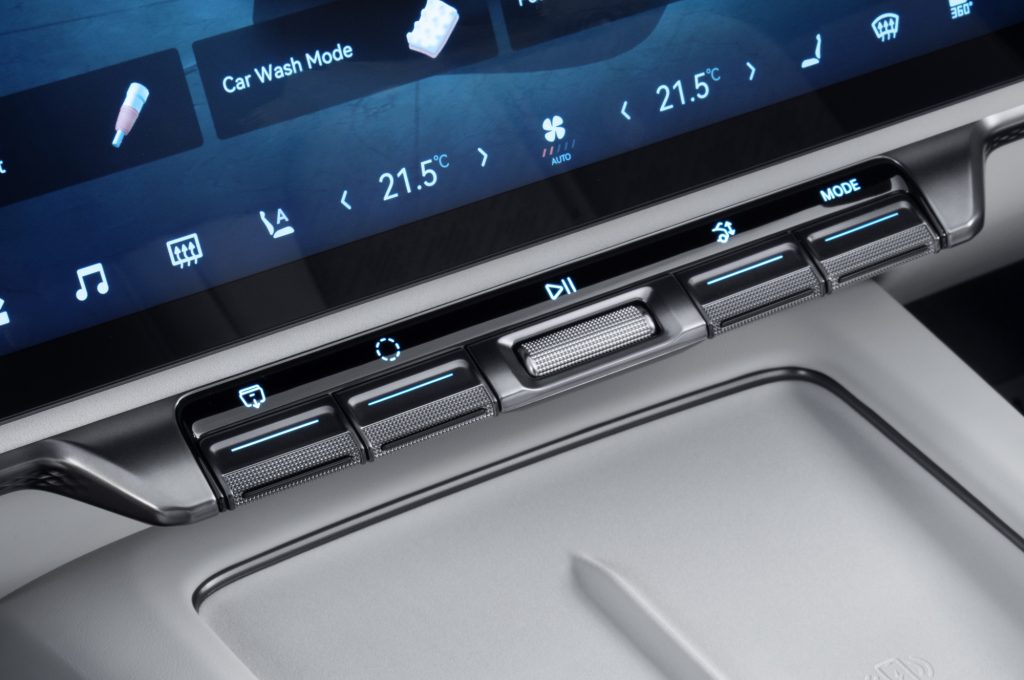
The risky practice by carmakers of burying almost all controls and functions within the infotainment touchscreen, even important ones, has led to safety concerns regarding distracted driving. Subsequently, that has affected what car safety ratings prioritise, leading to Mazda now taking the lead in safety ratings, leaving Volvo in its wake. This is according to
This is according to US non-profit organisation Consumer Reports (CR), who ranked the overall safety of carmakers beyond the regular crash testing, instead including other factors such as the level of distraction operating certain functions while driving.
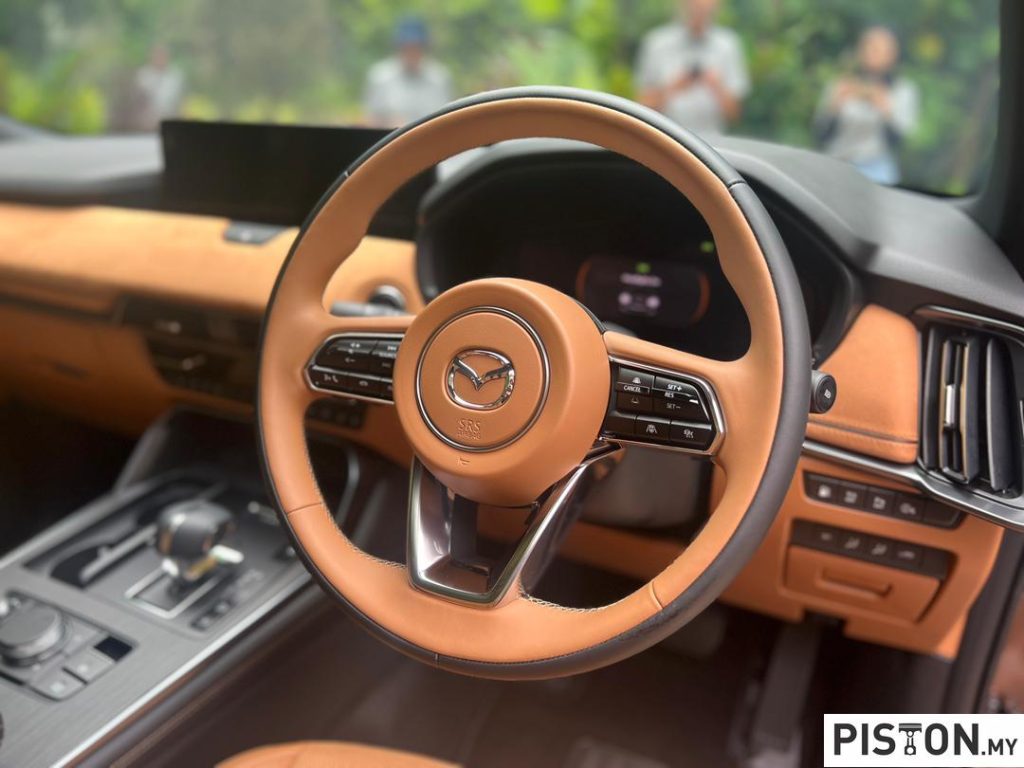
While Volvo has been synonymous with safety for as long as we can remember, the new approach has seen Mazda ascend the House of Safety throne.
You may also be interested: China Shifts Towards Physical Controls For Certain Functions, No More Burying Controls Within The Touchscreen
The results were understandably surprising. Models across a brand’s range were judged based on active safety tech (ADAS), occupant protection, road user vulnerability in a crash, handling and how much certain controls distract the driver from the road.
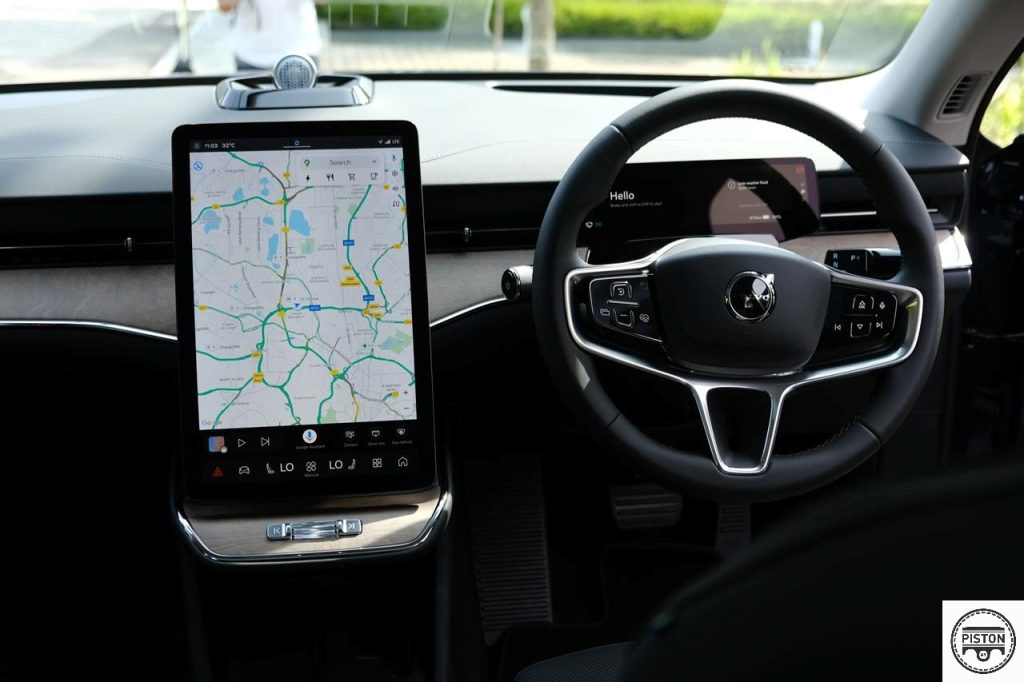
Mazda came out tops with over 80% of its models earning the coveted ‘best’ rating. Meanwhile, only 25% of Volvo models earned the same rating, with CR citing their underwhelming performance to ‘distracting controls.’ The Volvo EX30 earned the lowest score.
If simple functions such as adjusting the climate control or audio distracted the driver from the road ahead, that would lead to a strike against safety.
Mazda’s best-selling model, the CX-5, is not fitted with the marque’s trademark rotary infotainment control, even going so far as to remove physical climate controls. Still, the carmaker insists that it remains focused on minimising driver distraction.
You may also be interested: Hyundai Pushes Back Against Touchscreen Overload, Returns to Physical Controls
Coming in second to Mazda was genesis, followed by Acura. Other notable brands in the top 10 included Hyundai, Honda, Nissan, Audi and Kia. Where did Volvo end up? The Swedish marque had to settle for number 12 on the list, beating out Toyota, Lexus, Mercedes-Benz and BMW.
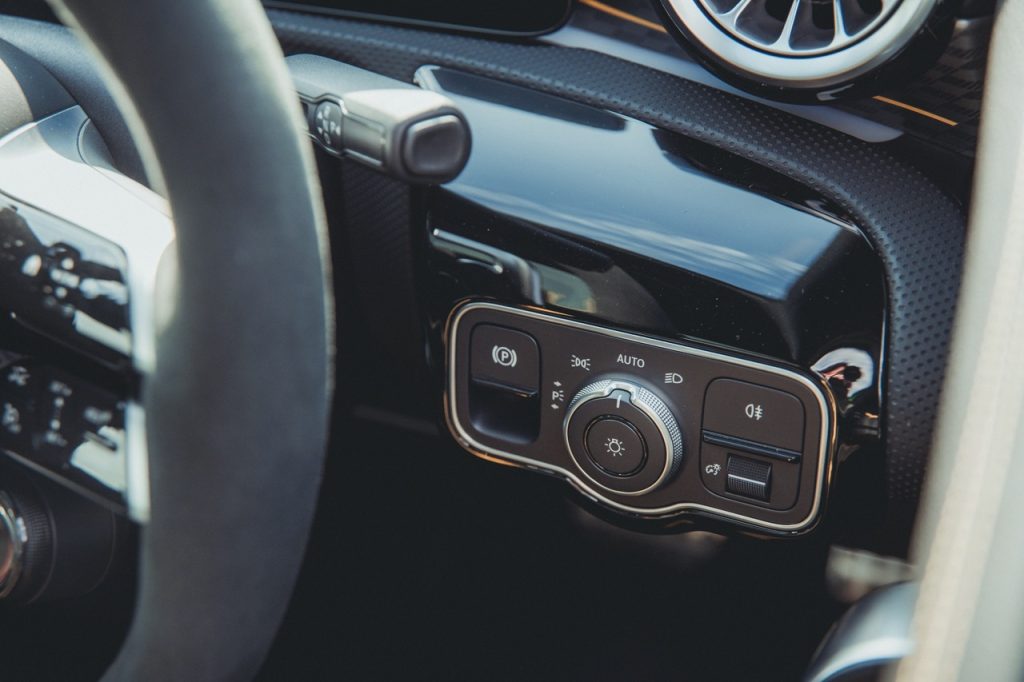
Even the Australasian New Car Assessment Program (ANCAP) introduced new testing protocols beginning in 2026 that included whether a vehicle has physical buttons.
It appears that the era of touchscreen drilling, the term used to describe functions buried within the infotainment screen, is coming to an end. China is already shifting towards physical buttons for important controls like the horn, indicators, hazard lights, windscreen wipers and headlights.