
Questions are now being raised over BYD’s previously announced plans to establish a local assembly (CKD) plant in Tanjung Malim, Perak, with reports indicating that the project may have stalled. According to reports citing The Edge, the Chinese automaker is said to be reassessing its investment after failing to reach an agreement with Ministry of
Questions are now being raised over BYD’s previously announced plans to establish a local assembly (CKD) plant in Tanjung Malim, Perak, with reports indicating that the project may have stalled.
According to reports citing The Edge, the Chinese automaker is said to be reassessing its investment after failing to reach an agreement with Ministry of Investment, Trade and Industry (MITI) on key conditions tied to the project.
The plant, which was previously expected to begin production in the second half of 2026, was intended to be fully funded by BYD. However, negotiations appear to have hit a roadblock over policy requirements imposed on the proposed facility.
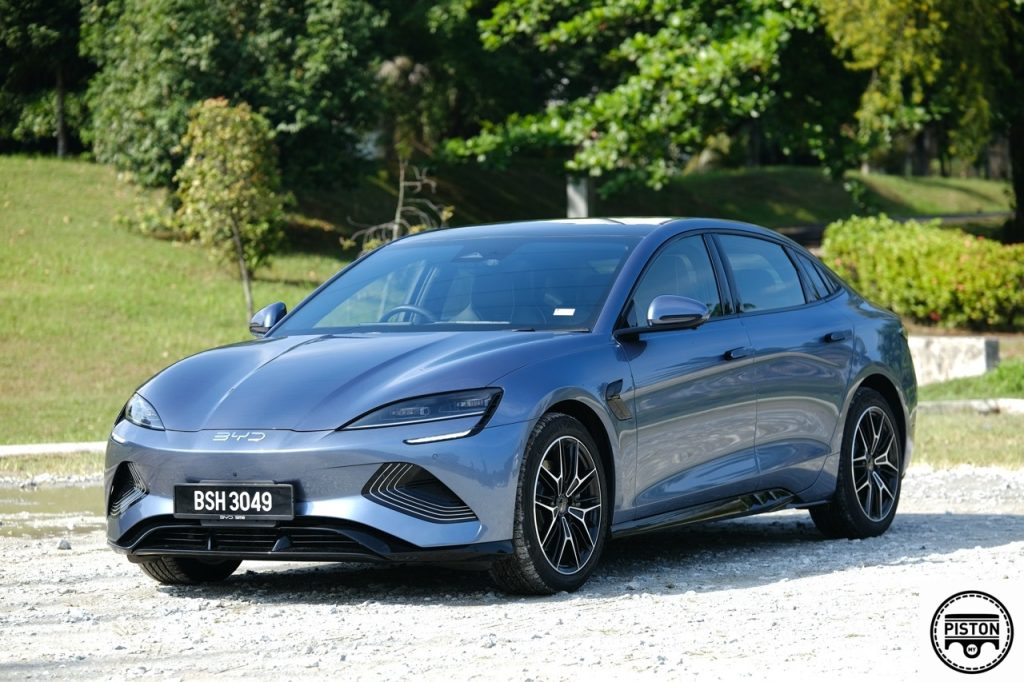
Among the reported conditions are a requirement for up to 80% of vehicles produced at the Tanjung Malim plant to be exported, while the remaining 20% allocated for the domestic market must consist of models priced above RM 200,000.
These terms were confirmed by Investment, Trade and Industry Minister Johari Abdul Ghani, who said the conditions could not be agreed upon by both parties.
The minister added that such measures are necessary to protect Malaysia’s existing automotive ecosystem, which supports an estimated 700,000 jobs. He pointed out that national carmakers Proton and Perodua both maintain around 50% local content in their vehicles and collectively account for a significant portion of annual vehicle sales in the country.
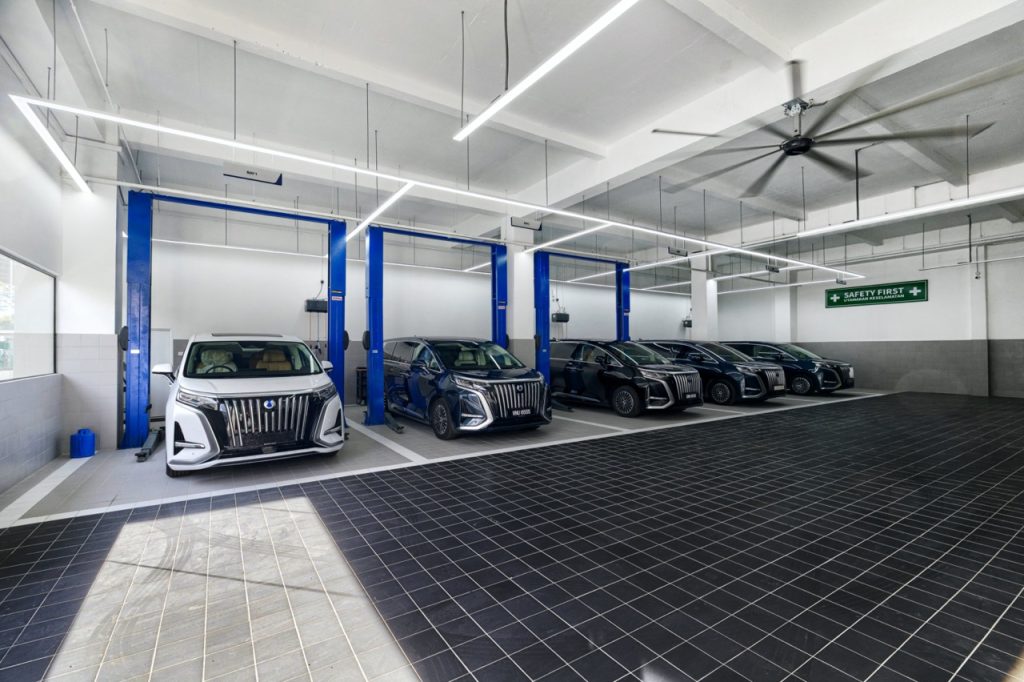
The development raises questions over the timeline of BYD’s localisation strategy in Malaysia, particularly as the government tightens policies surrounding fully imported (CBU) electric vehicles. A minimum price threshold of RM 250,000 has been introduced for CBU EVs, encouraging carmakers to consider local assembly as a more viable route.
At present, it remains unclear whether BYD will revise its proposal, renegotiate terms, or delay its CKD plans altogether. The outcome could also have implications for other Chinese brands such as Zeekr and XPeng, which are understood to be exploring local assembly initiatives in Malaysia.
You may also be interested: BYD Confirms CKD Factory in Malaysia, Production Starts 2026