
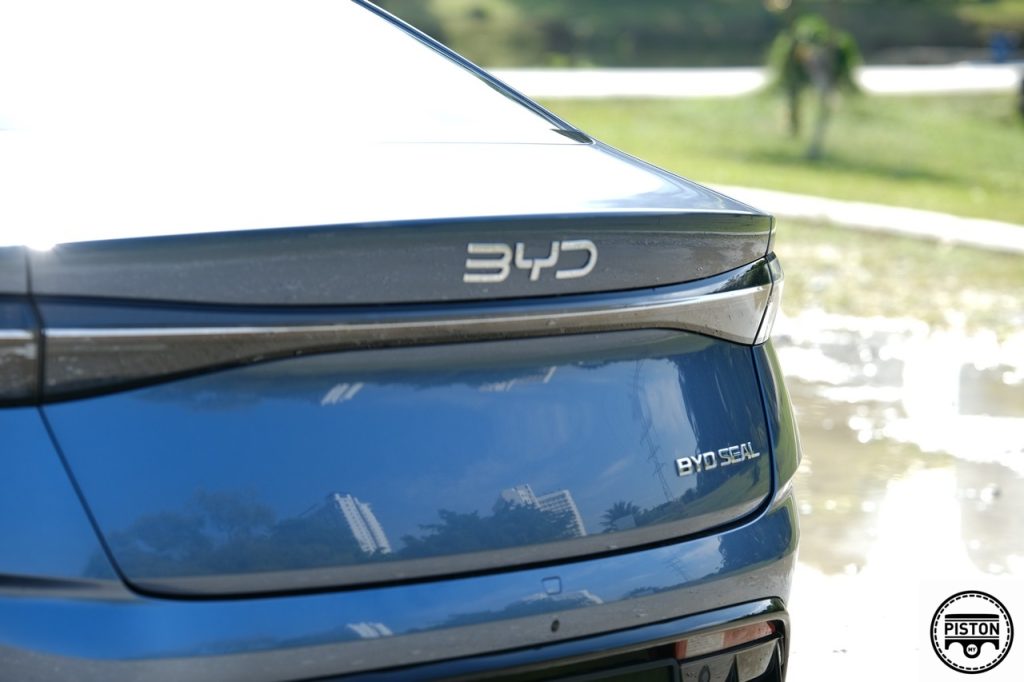
The Ministry of Investment, Trade and Industry (MITI) has issued a statement clarifying conditions surrounding BYD’s proposed CKD assembly plant in Tanjung Malim, following widespread speculation online. Recent reports claimed that BYD was reconsidering its investment due to unfavourable conditions, including a requirement to export 80% of production and restrict local sales to 20% at
The Ministry of Investment, Trade and Industry (MITI) has issued a statement clarifying conditions surrounding BYD’s proposed CKD assembly plant in Tanjung Malim, following widespread speculation online.
Recent reports claimed that BYD was reconsidering its investment due to unfavourable conditions, including a requirement to export 80% of production and restrict local sales to 20% at prices above RM 200,000. MITI has denied these claims, stating that they are inaccurate.
According to the ministry, BYD was granted an interim Manufacturing License (ML) on September 29, 2025, for the assembly of energy efficient vehicles (EEVs), including EVs and plug-in hybrids, at Tanjung Malim. The approval is based on an export-oriented production model, in line with Malaysia’s broader industrial strategy.
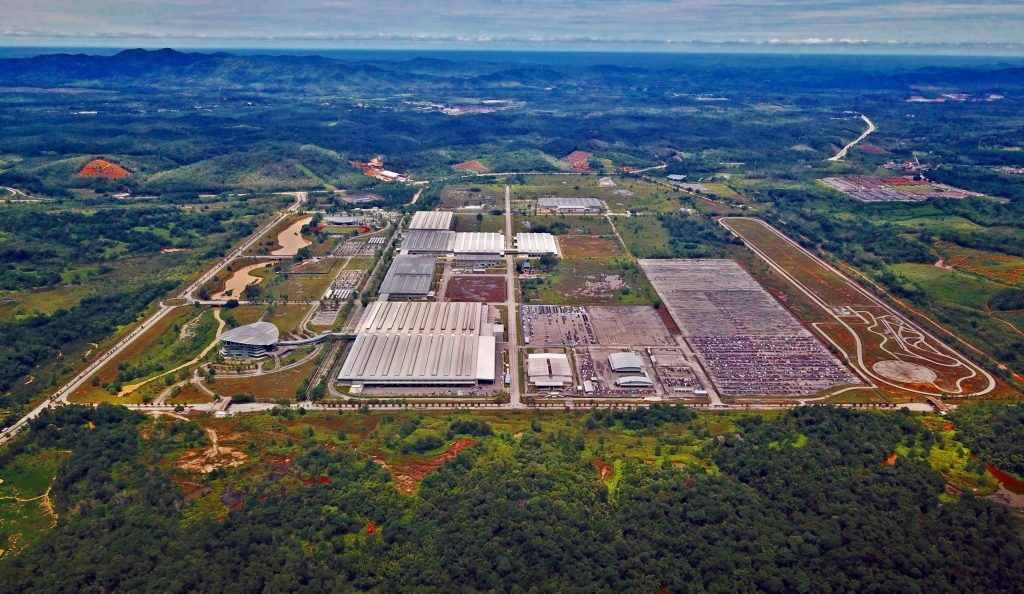
MITI emphasised that the conditions imposed are not unique to BYD, but are part of a standard framework applied to all new automotive investments from September 2025 onwards, except those using existing local assembly facilities.
Under this framework, domestic sales are capped at 10,000 units or 20% of total production capacity, prioritising export integration. However, the ministry clarified that this is not a restriction, but a mutually agreed production structure.
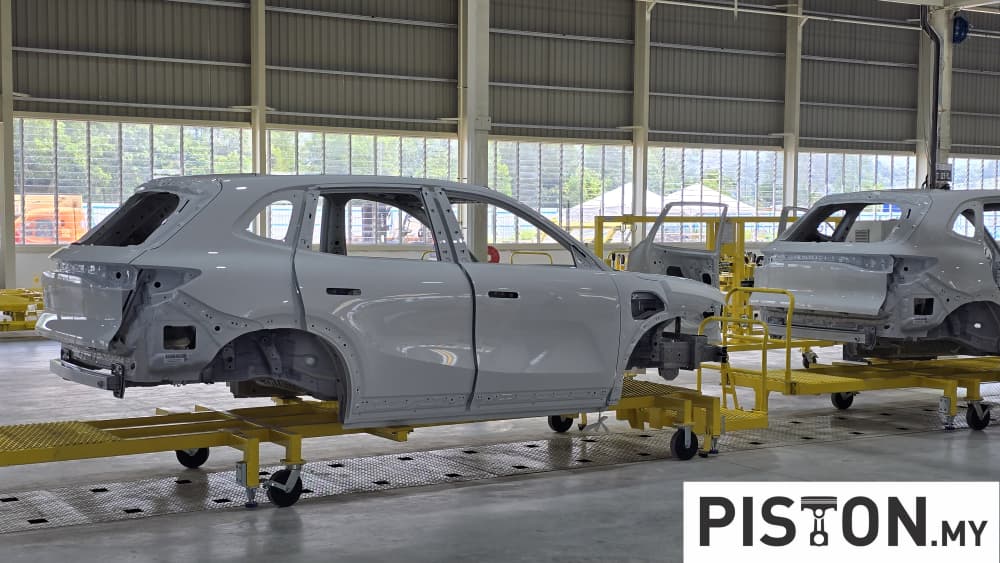
MITI stated that the minimum on-the-road price for locally assembled BYD vehicles is RM 100,000, not RM 200,000 as previously claimed. Additional requirements include local value-added manufacturing activities such as body shop, paint and trim operations, aimed at strengthening the domestic supply chain and ensuring technology transfer.
The ministry said these policies are designed to align with the National Automotive Policy (NAP) and the New Industrial Master Plan 2030 (NIMP 2030), promoting high-value activities while preventing market distortion.
On the broader EV policy front, MITI also confirmed that the current RM 250,000 minimum price for completely built-up (CBU) vehicles is under review. This floor price had been temporarily lowered to RM 100,000 between 2022 and December 31, 2025 to encourage EV adoption, while giving local manufacturers time to develop their capabilities.
MITI reiterated that Malaysia’s long-term strategy is to prioritise local manufacturing and assembly over continued reliance on imports. The ministry also addressed claims that it had banned the import of new pick-up truck models such as the BYD Shark or GWM Cannon, stating that no such ban exists. CBU imports remain permitted under limited quotas, subject to localisation requirements.
MITI stressed that its policies are not protectionist, but developmental, aimed at ensuring sustainable industry growth, strengthening the vendor ecosystem, and encouraging long-term, high-value investments. Malaysia remains open to foreign automotive investments, including from China, with 14 out of 34 foreign brands currently in the market originating from the country.
You may also be interested in: BYD Malaysia CKD Plans Hit Roadblock Amidst MITI Conditions