
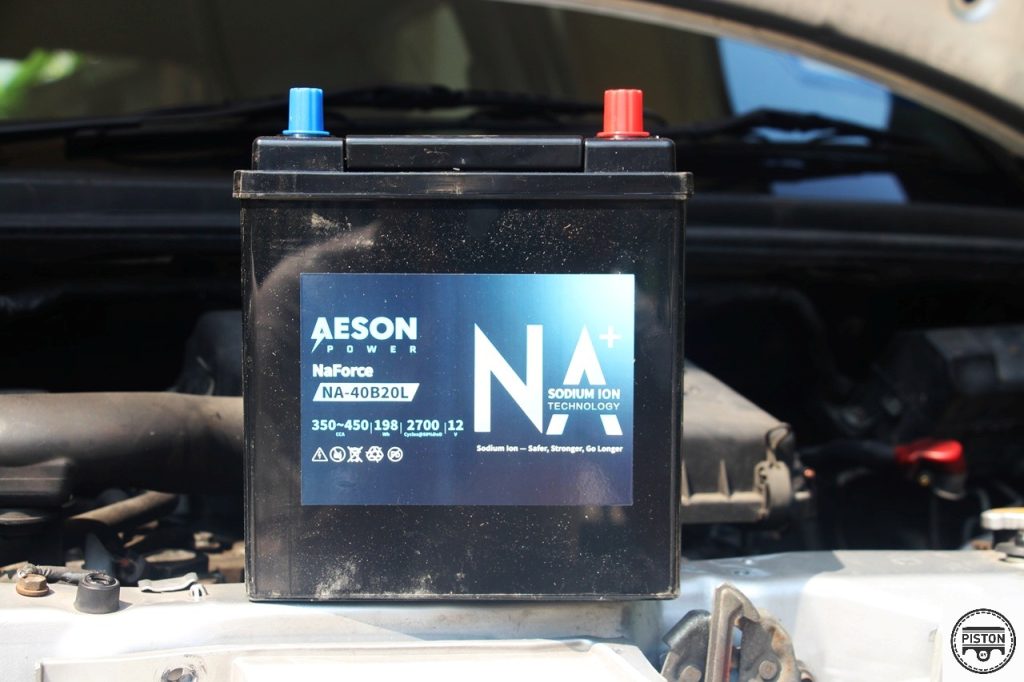
Previously, we covered the Aeson Power and its sodium-ion battery (SIB) range in Malaysia. Their SIB 12V batteries look to be a game-changer compared to the conventional lead-acid or lithium-ion batteries with a number of key benefits and long-term cost efficiency. During a briefing with the media, they explained that the range, launched in Malaysia
Previously, we covered the Aeson Power and its sodium-ion battery (SIB) range in Malaysia. Their SIB 12V batteries look to be a game-changer compared to the conventional lead-acid or lithium-ion batteries with a number of key benefits and long-term cost efficiency.
During a briefing with the media, they explained that the range, launched in Malaysia in late 2025, delivers significantly lighter weight, improved durability, stable performance over a wider temperature spectrum (perfect for local weather), less chance of thermal runaway and longer lifespan.
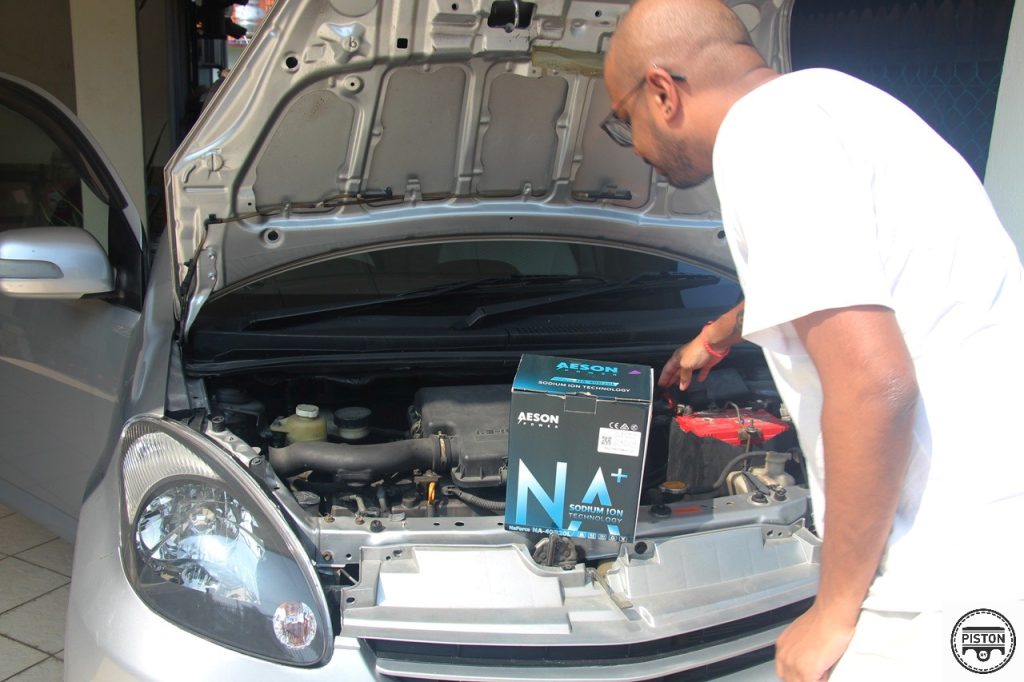
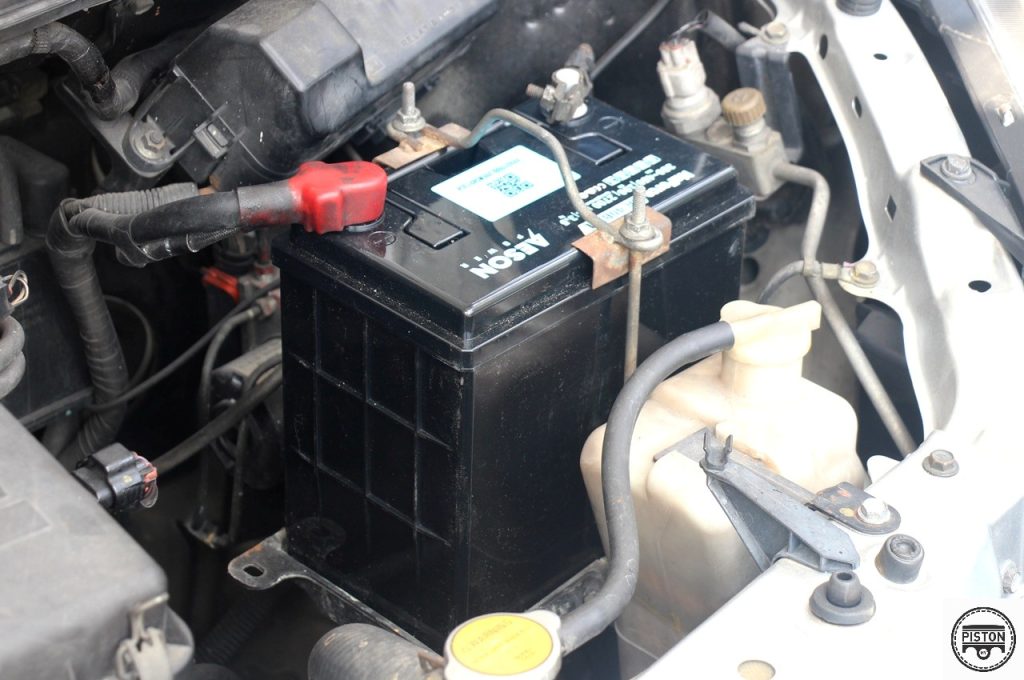
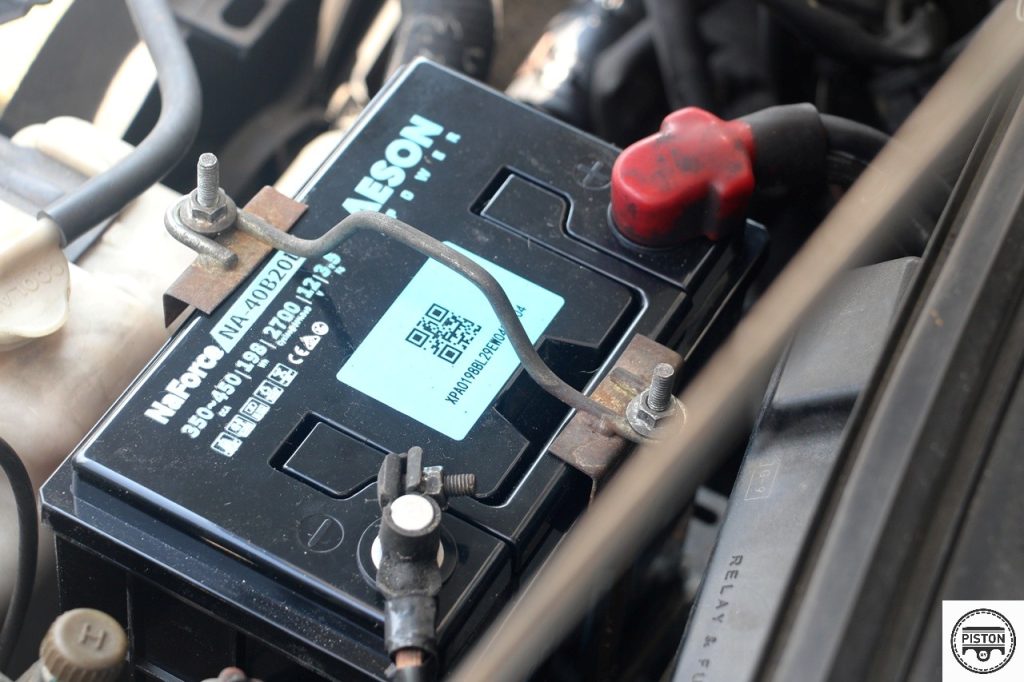
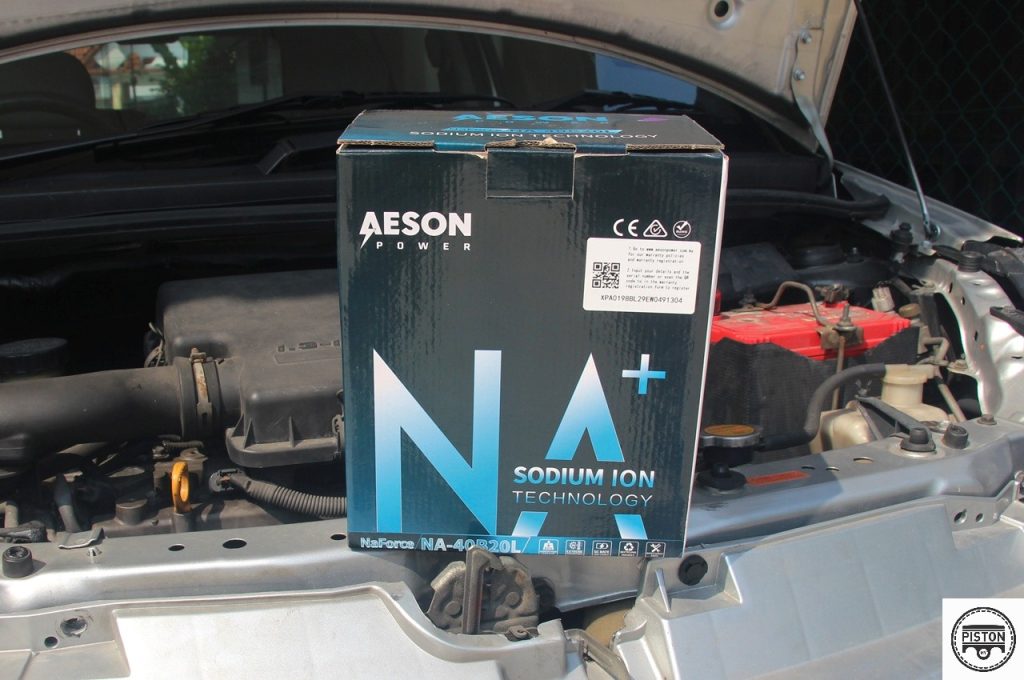
Since then, we had the opportunity to carry out a real-life test with a unit of their NaPulse Black NS40L battery. The test vehicle in question? A tried and very much tested first-generation 2007 Perodua Myvi EZi.
You may also be interested: The Sodium Shift – Aeson Power’s Sodium-Ion Batteries Are A Game-Changer
As previously mentioned, Aeson Power’s SIBs bring numerous benefits to the table, or rather engine bay.
Primarily, that is safety. SIBs use sodium-based electrochemistry with modern cell designs for improved energy density and output. There are no liquids within the casing, unlike a lead-acid battery and its corrosive liquids.
Secondly is the aversion to thermal runaway, where a battery’s internal components break down and generate their own heat leading to a fire. SIBs have a higher thermal runaway onset temperature and even in the event that it does, the fire is slower with less intense heat release and reduced toxic fumes.
Furthermore, SIBs also possess the ability to be fully discharged without damaging internal chemistry. That is certainly not the case for a lithium-ion or lead-acid unit.
On top of that, they also maintain a higher usable capacity thanks to deeper discharge tolerance. Additionally, SIBs also possess a lower self-discharge rate, meaning they lose their charge at a much slower rate compared to lead-acid units, perfect if the vehicle is kept in long-term parking or not driven often, as they can be stored in an inert state and be recharged back to full efficiency with no reduction in performance.
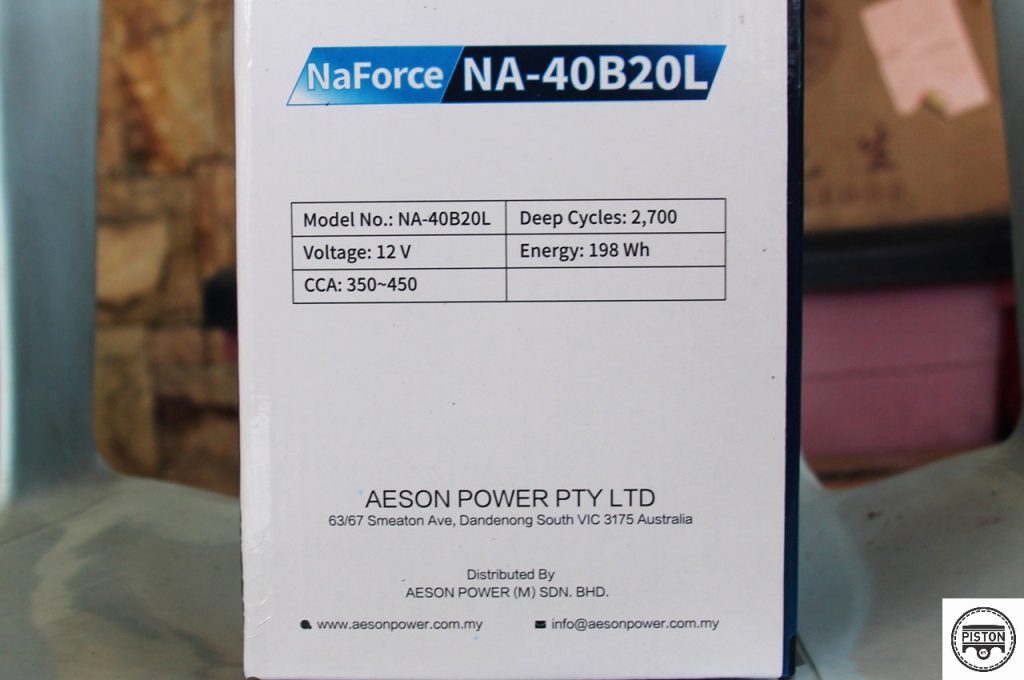
On top of that comes the lifespan and discharge cycles that also favour SIBs. Lead-acid units last around 18-24 months, or typically about 300-500 full charge-discharge cycles. Even the most advanced absorbed glass mat (AGM) types can reach 700 cycles.
Aeson Power SIBs are rated at a staggering 1,500 to 3,000 cycles with the majority closer to the higher end of that scale.
Lastly might be something that would not really occur to regular car owners but petrol heads or those seeking a little extra performance will see the light.
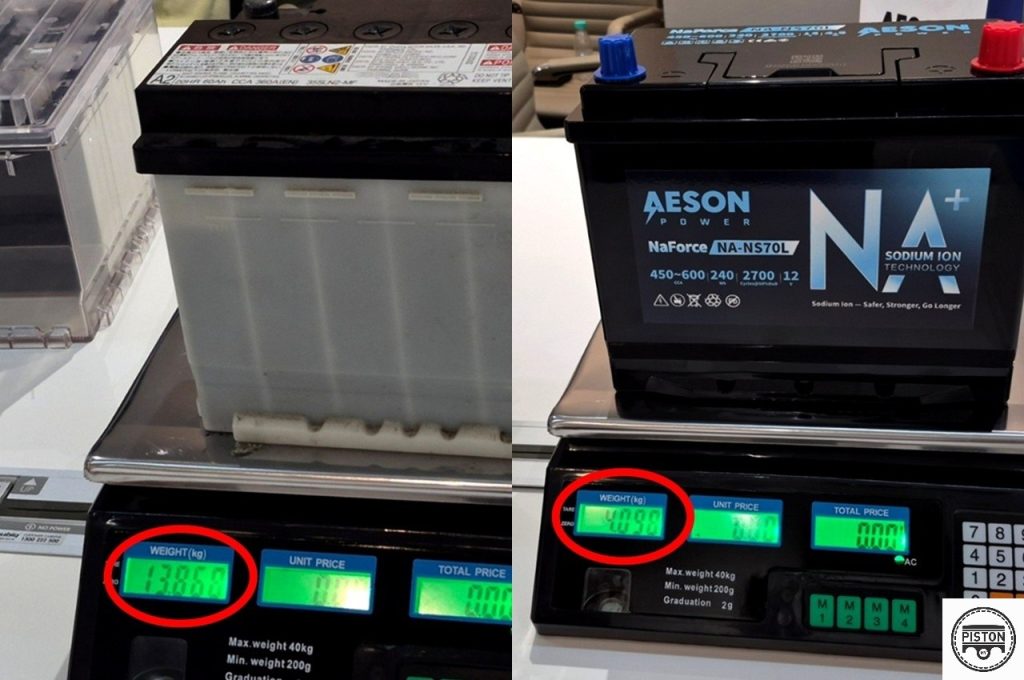
You see, SIBs are ridiculously light. You could easily pick one up in its box with just one finger. The original lead-acid unit in the Myvi weighed in around 9kg while the Aeson Power SIB was only just over 2kg.
The difference in poundage is bigger for larger batteries. A larger NS70 lead-acid typically weighs in around 14-15kg but Aeson Power’s SIB is barely over 4kg.
This could very well be the poor man’s racing battery. After all, why spend thousands on carbon fibre body parts when the battery can easily shave 10kgs off? Every kilo counts when building that race car and chasing performance.
To be honest, the only disadvantage is not even actually a drawback when you really think things true over the long run.
And that would be its price. The NaPulse Black range we tested on the Myvi is priced between RM 369 and RM 389, with the latter being for a longer warranty period.
Yes, SIBs are more expensive when compared to the predominant maintenance-free lead-acid battery that cost much less upfront. Unfortunately, initial upfront cost is the deciding factor for most owners.
However, once you factor in the longer lifespan, up to three years with a negligible premium, the equation begins to shift in favour of the SIB. There’s even a one-to-one replacement warranty.
Looking at the bigger picture, the higher initial cost will be offset by the battery lasting longer (less frequent replacement), being more efficient and some weight loss that could inject performance or fuel saving gains.
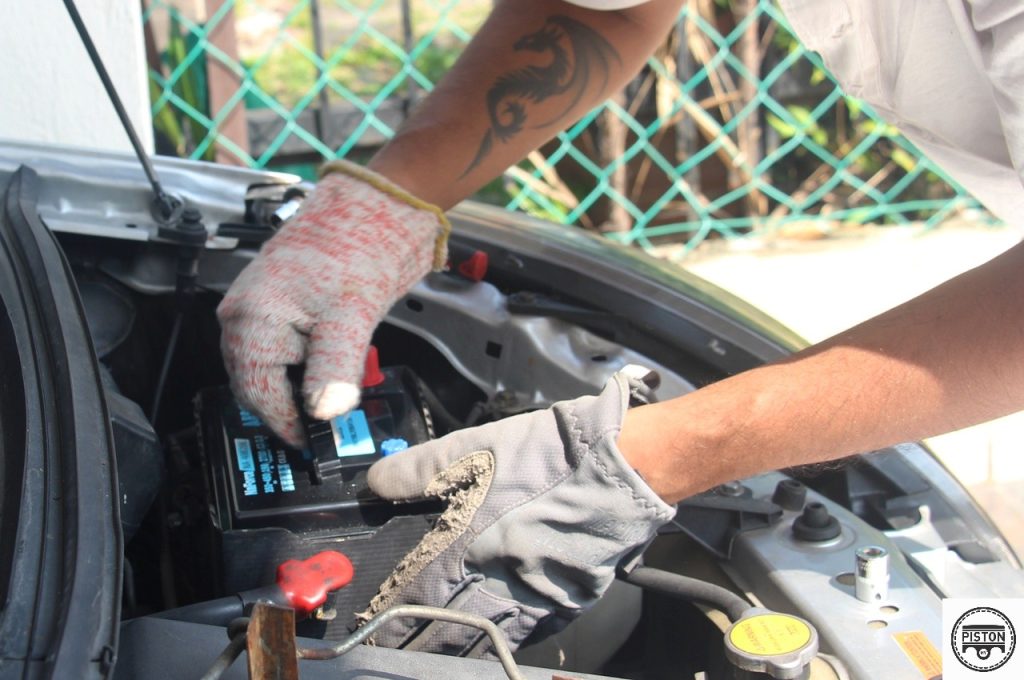
Here’s where we get down to tangible differences. The SIB looks just like any other 12V battery, and that is a crucial part of the point. It was designed as a direct replacement for traditional lead-acid units widely applied in most cars these days.
That is however the small picture. The Aeson Power SIB is actually an upgrade but one that has to be framed as a big picture, long term one.
Let’s be realistic, we were never going to notice the weight savings in a first-gen Myvi but the most noticeable was during ignition. For a car approaching two decades, the Aeson Power SIB delivered rapid ignition during start-up. It almost felt like you twisted the key halfway and the engine was already up and running.
Following start-up, the engine settled into a much smoother idle quicker. During the briefing, this was attributed to the SIB delivering a much more stable voltage which resulted in less vibrations and a perceived improvement in refinement.
Another advantage touted during the briefing was an improvement in fuel consumption, with a claimed figure of up to 5%. While we have no doubt regarding the claim, a minute number like 5% is difficult to prove in real world conditions but in this regard, it definitely will not get worse. Therefore, fuel savings are likely a given.
Upgrading your 12V battery might not seem like a groundbreaking improvement but at some point, it is all about the small steps adding up to one huge leap.
Over the long run, switching to an Aeson Power SIB will certainly bring savings and less wear and tear, which all adds up to savings.
It all boils down to one primary question, are you willing to splurge on the marginally higher initial cost for long-term savings?
If you ask us, the answer is a resounding yes.