
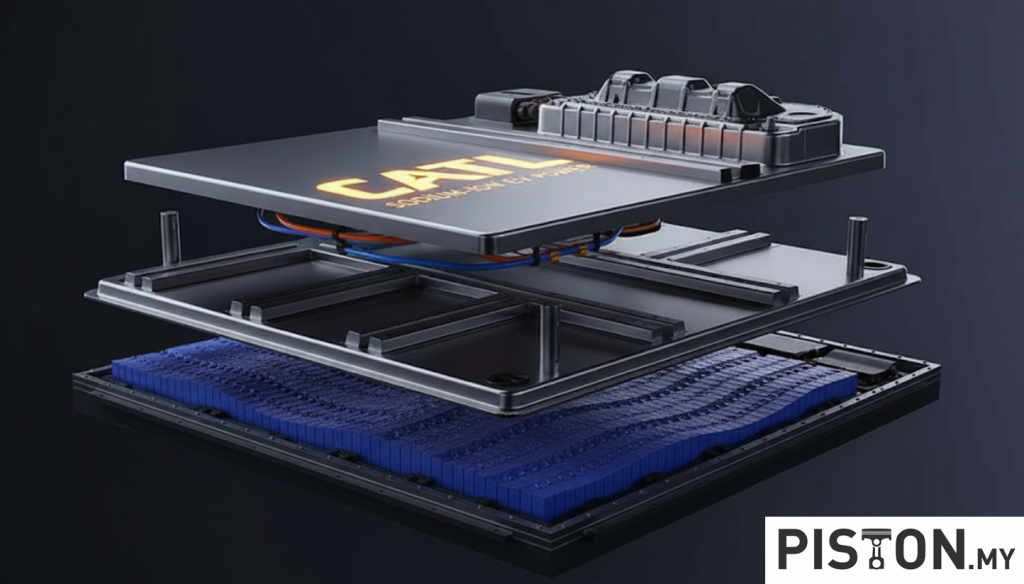
Thermal runaway is considered the biggest safety hazard for electric vehicle (EV) lithium-ion batteries. Thus, the latest achievement by a Chinese academic in developing a sodium-ion battery that eliminates thermal runaway could have a huge safety impact on EVs moving forward. Most would have heard of the term ‘thermal runaway’ but it is important to
Thermal runaway is considered the biggest safety hazard for electric vehicle (EV) lithium-ion batteries. Thus, the latest achievement by a Chinese academic in developing a sodium-ion battery that eliminates thermal runaway could have a huge safety impact on EVs moving forward.
Most would have heard of the term ‘thermal runaway’ but it is important to precisely understand exactly what it means.
The phenomenon happens when an initial failure (overcharging, physical damage, manufacturing defect or overheating) triggers rising internal temperatures within a single cell in the battery module. This triggers further chemical reactions, creating more heat and essentially causing the pack to generate more heat than it can dissipate.
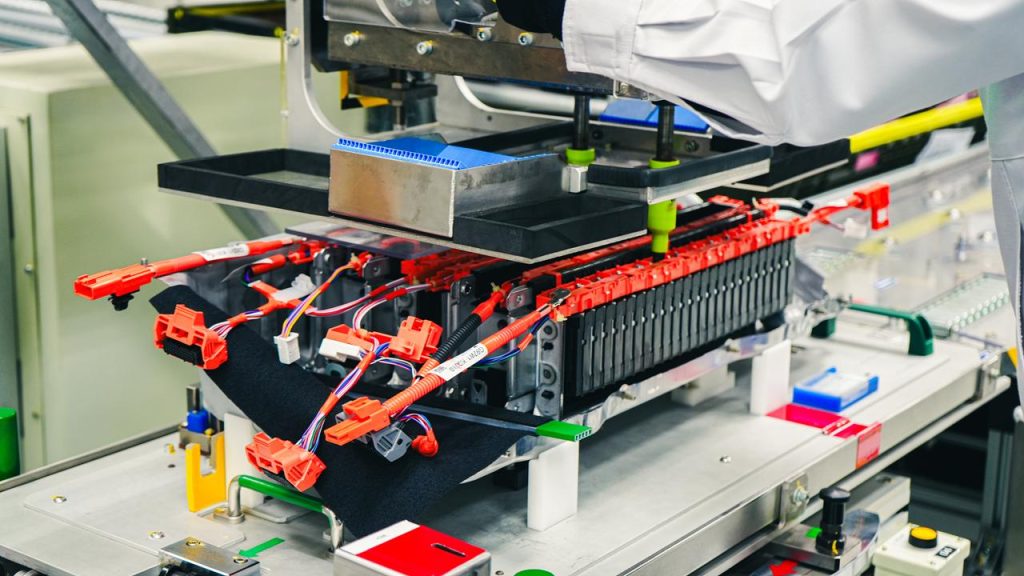
As the lithium-ion cell enters an uncontrollable, self-heating state, the heat transfers to surrounding cells and triggers the runaway. This feedback loop leads to temperatures rising rapidly and venting toxic gases, fire or explosion. Once initiated, this phenomenon is extremely difficult to stop.
Therefore, it goes without saying that this discovery by a research team from the Chinese Academy of Sciences will have major repercussions on the industry.
The team developed a sodium-ion battery that eliminates thermal runaway, as reported by IT-Home.
Under the Institute of Physics, the team created a ‘polymerisable non-flammable electrolyte (PNE) that enables what it describes as complete suppression of thermal runaway.’
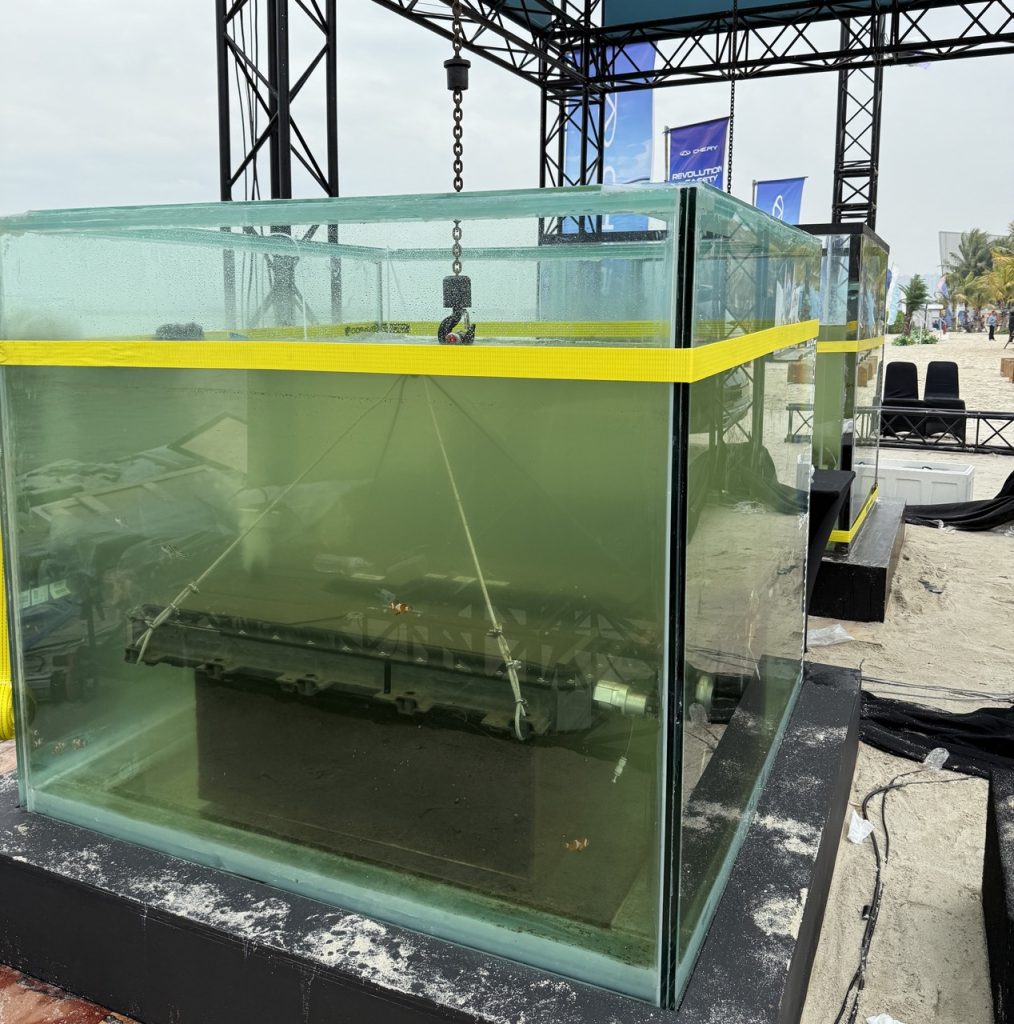
Current conventional approaches to thermal runaway relies on traditional methods of fire suppression, with the latest being submerging the entire EV in a body of water to halt the fiery reaction.
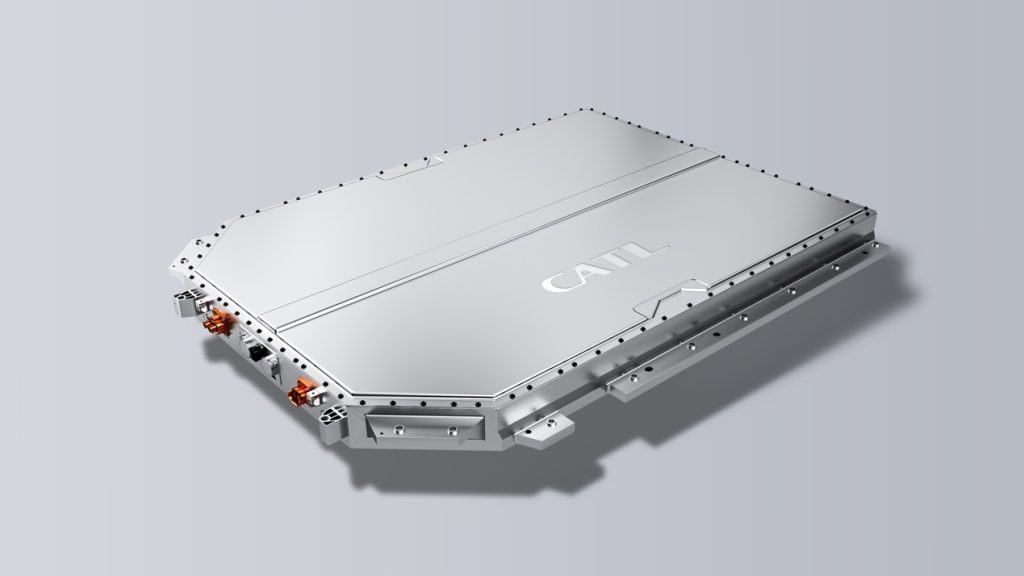
You may also be interested: CATL to Begin Mass Production of Sodium-Ion Batteries in 2026
This new method however is self-contained within the battery itself. It relies on a combination of thermal stability, interface stability and physical isolation built into a multi-layer protection framework within the module.
In the event that internal temperatures exceed 150-degrees Celsius, the electrolyte transitions from liquid into a solid-state barrier that forms a physical separation layer within to block heat propagation and prevent the reaction from continuing.
The team developed a cylindrical 3.5 Ah sodium-ion cell for validation. During testing, the cell displayed no smoke, fire or explosion during nail penetration. In fact, there was no thermal runaway even when temperatures were cranked up to 300-degrees Celsius.
Furthermore, the safety steps built into the battery did not appear to reduce battery performance. The cells were capable of operating across a temperature range from -40-60-degrees Celsius with a stable voltage of 4.3 V.
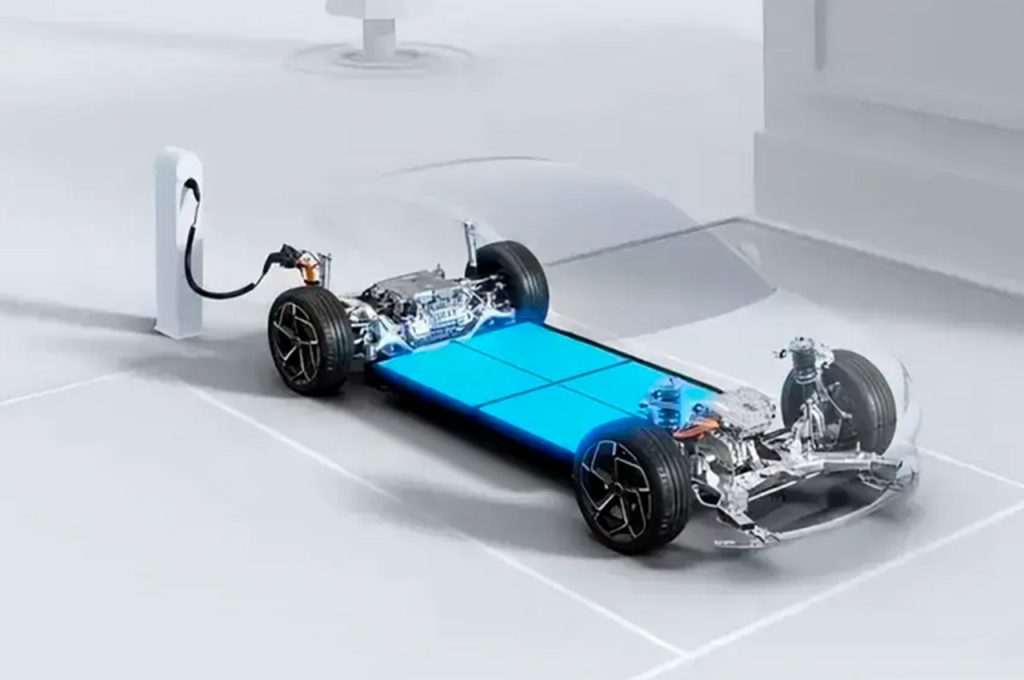
While lithium-ion batteries are more energy dense, sodium-ion is proving to be a much more stable, safer and affordable alternative.
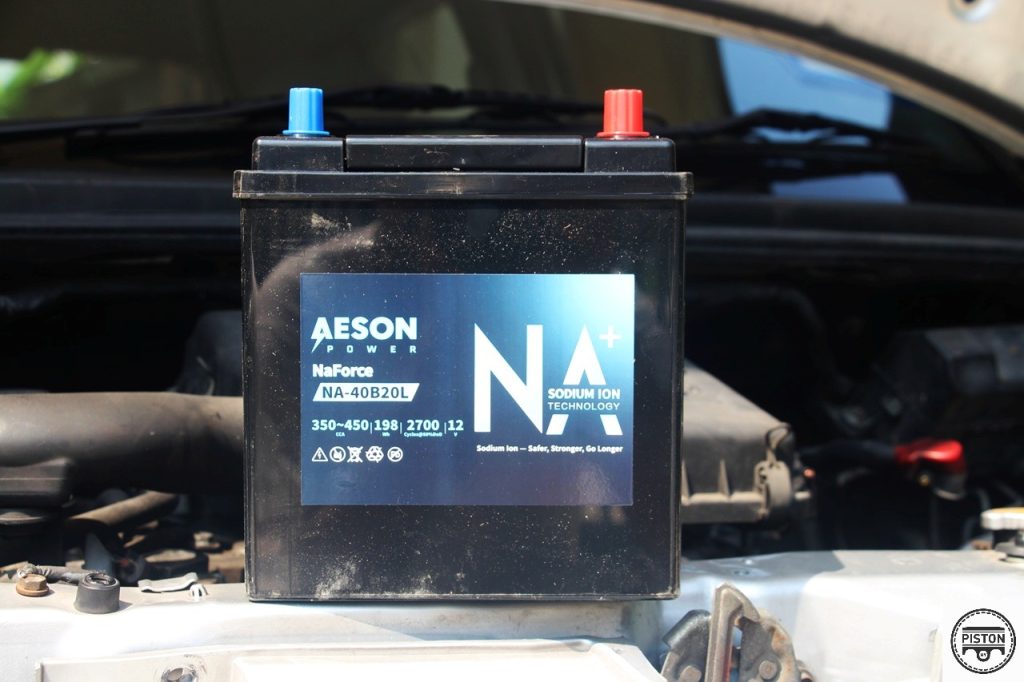
In fact, we are currently testing a sodium-ion 12 V car battery by Aeson Power. During the presentation, the benefits shared by the local distributor is similar to that from this latest test, albeit on a much smaller scale.
You may also be interested: The Sodium Shift – Aeson Power’s Sodium-Ion Batteries Are A Game-Changer
The industry is moving closer towards commercial deployment for sodium-ion batteries. According to a Zhongke Haina (HiNa), a sodium-ion battery developer from the same institute, testing on heavy trucks returned a 15% lower energy consumption per kilometre and roughly 20% longer range.
While sodium-ion itself is affordable, scaling it up to match the economies of scale enjoyed by lithium-ion packs will take time. HiNa expects sodium-ion batteries to achieve cost parity around 2027.
Automakers are also researching sodium-ion batteries. BAIC has developed a sodium-ion battery capable of fully charging in about 11 minutes, with the same temperature stability as the unit reported here.