
Grab has entered a major strategic partnership with GAC to accelerate the adoption of electric vehicles across Southeast Asia, with plans to deploy an initial 20,000 EVs throughout the region. The collaboration goes beyond simply adding more electric cars to Grab’s fleet, focusing instead on deeper system integration to improve the daily experience for driver-partners
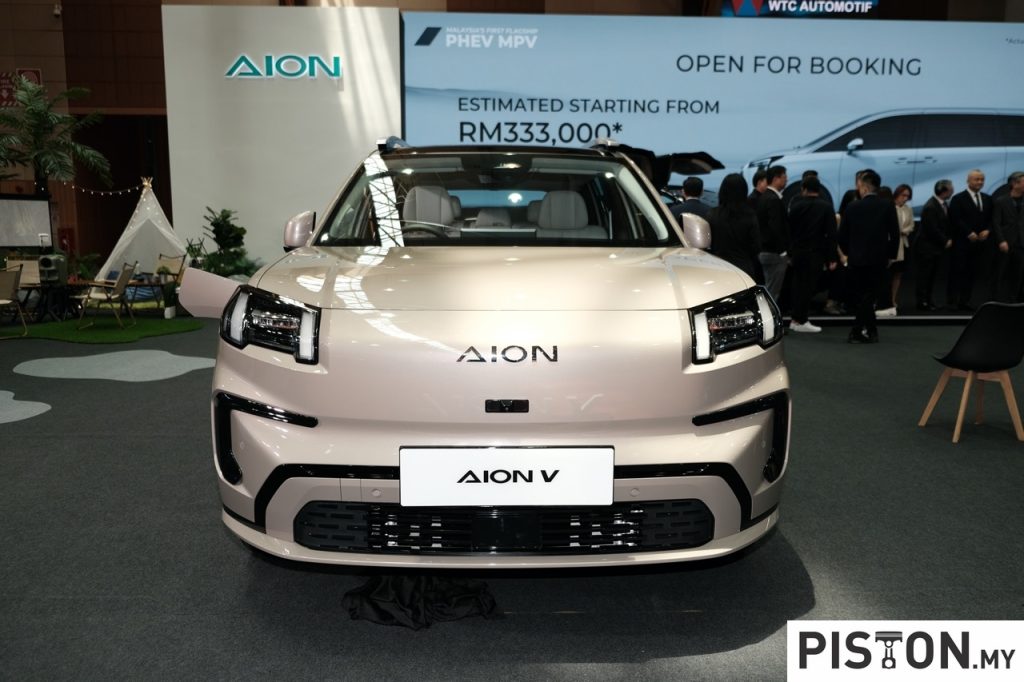
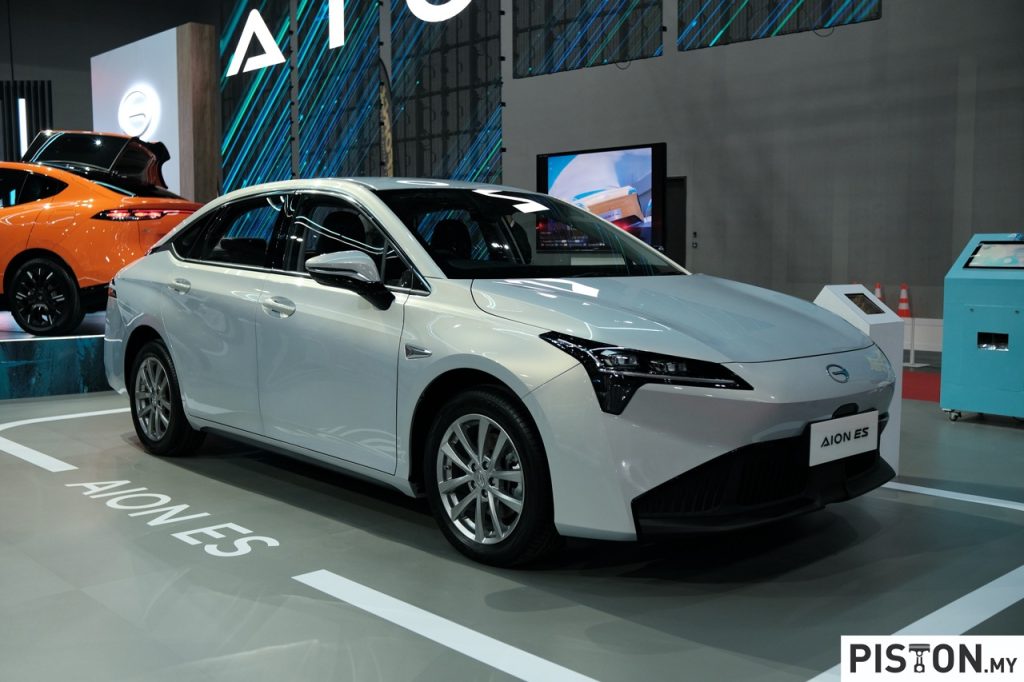
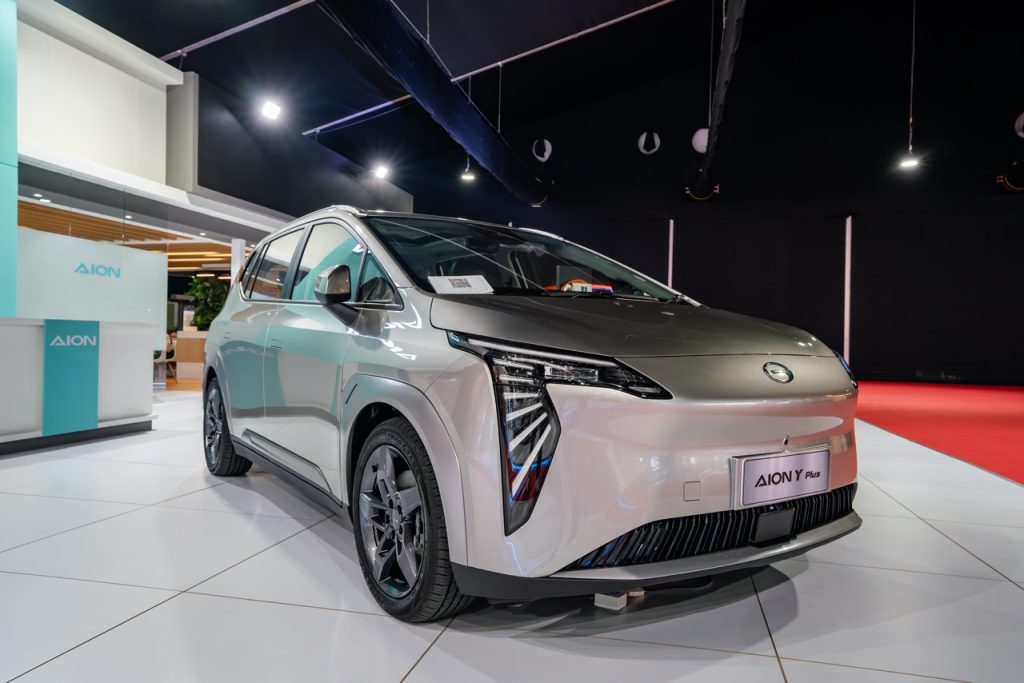
The rollout will begin with three key GAC electric models, namely the Aion Y, Aion ES and Aion V, which will be introduced across Singapore, Malaysia, Indonesia, the Philippines, Vietnam and Thailand. These models were selected specifically for the demands of ride-hailing, offering features such as wide 90-degree door openings, generous rear legroom and layouts designed to handle high daily mileage. The move significantly expands the diversity of Grab’s existing EV fleet while ensuring passenger comfort and driver usability remain a priority.
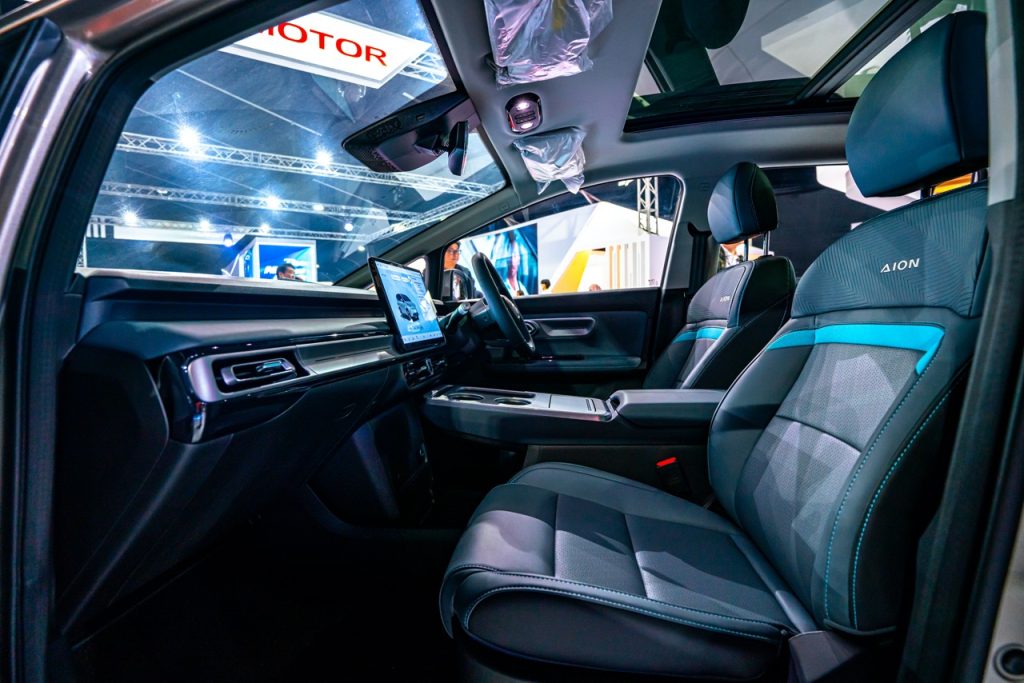
Central to the partnership is the integration of Grab’s driver app directly into GAC’s intelligent cockpit system. With this setup, navigation, trip requests, high-demand area guidance and safety alerts are displayed on the vehicle’s larger central screen. This removes the need for drivers to switch between devices, allowing them to accept jobs more smoothly while reducing distraction and eye strain, ultimately supporting safer driving conditions.
The collaboration fits neatly into GAC’s broader global strategy of building a technology-led ecosystem that connects vehicles, services and operational support. For Grab, the partnership strengthens its long-term commitment to sustainability by making EVs more accessible to driver-partners. Drivers will be able to rent the vehicles through Grab’s fleet partners or choose financing options via Grab’s car ownership programmes, offering flexible pathways into electric mobility.
Each of the three GAC models brings a specific strength to the table. The Aion Y, one of GAC’s best-selling EVs, has become a popular choice for electric taxis thanks to its modern styling and practical interior, making it particularly suitable for airport transfers. The Aion V raises the bar for safety, boasting a five-star Euro NCAP rating alongside a long driving range and a spacious cabin, positioning it as a benchmark among electric SUVs. Meanwhile, the Aion ES has built a solid reputation as a dependable electric taxi, valued for its efficient range and ergonomic interior, and continues to gain traction alongside the Aion Y in fleet use.
For GAC, the partnership offers immediate exposure to millions of Grab users across Southeast Asia, providing valuable insight into regional driving habits and customer expectations. This data-driven approach is expected to help the brand refine its products and services to better suit local markets.
The timing aligns with rapid growth in Southeast Asia’s EV market. According to the International Energy Agency’s Global EV Outlook 2025, EV sales in the region surged by nearly 50 per cent in 2024. Supporting driver-partners in transitioning to low- or zero-emission vehicles remains a core pillar of Grab’s emissions reduction-first strategy, as the company works towards its goal of achieving carbon neutrality by 2040.
Grab has also positioned itself as a regional testing ground for EV solutions. In markets such as Singapore and Thailand, users can opt for an Eco-Friendly Ride that prioritises electric or hybrid vehicles at no extra cost. Across the region, Grab has partnered with multiple charging operators to reduce running costs for drivers. In Vietnam, recent collaborations with EBOOST and Charge+ have expanded charging infrastructure while offering preferential rates and discounts for driver-partners.
Thailand has seen the introduction of a Drive-to-Own scheme, allowing drivers to lease EVs over five years with no down payment, with repayments deducted directly from earnings. In Singapore, the GrabCab fleet now consists entirely of electric or hybrid vehicles, while the Philippines recently launched GrabTaxi Electric, the country’s first fully electric on-demand taxi fleet officially recognised by regulators. Indonesia, meanwhile, already operates more than 11,000 EVs within Grab’s network, serving high-demand urban routes.
With system-level integration, expanded charging access and flexible ownership models now coming together, the Grab-GAC partnership signals a significant step forward in making electric mobility practical, scalable and commercially viable for ride-hailing across Southeast Asia.