
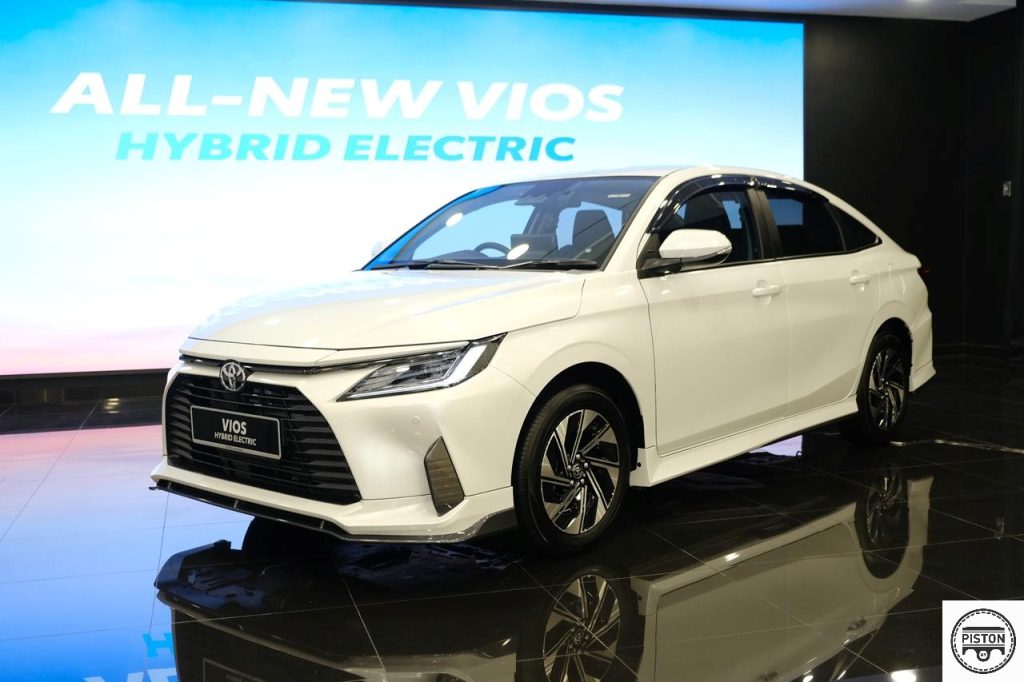
As countries gradually begin removing incentives for purchasing electric vehicles (EV), Toyota is expecting its hybrid production to increase by 30% in 2028 to around 6.7 million units. The world’s largest carmaker by sales expects to produce 5 million units globally of hybrids, including plug-in hybrids (PHEV), for 2026. A roughly 30% increase on that
As countries gradually begin removing incentives for purchasing electric vehicles (EV), Toyota is expecting its hybrid production to increase by 30% in 2028 to around 6.7 million units.
The world’s largest carmaker by sales expects to produce 5 million units globally of hybrids, including plug-in hybrids (PHEV), for 2026. A roughly 30% increase on that brings us to the 6.7 million units come 2028.
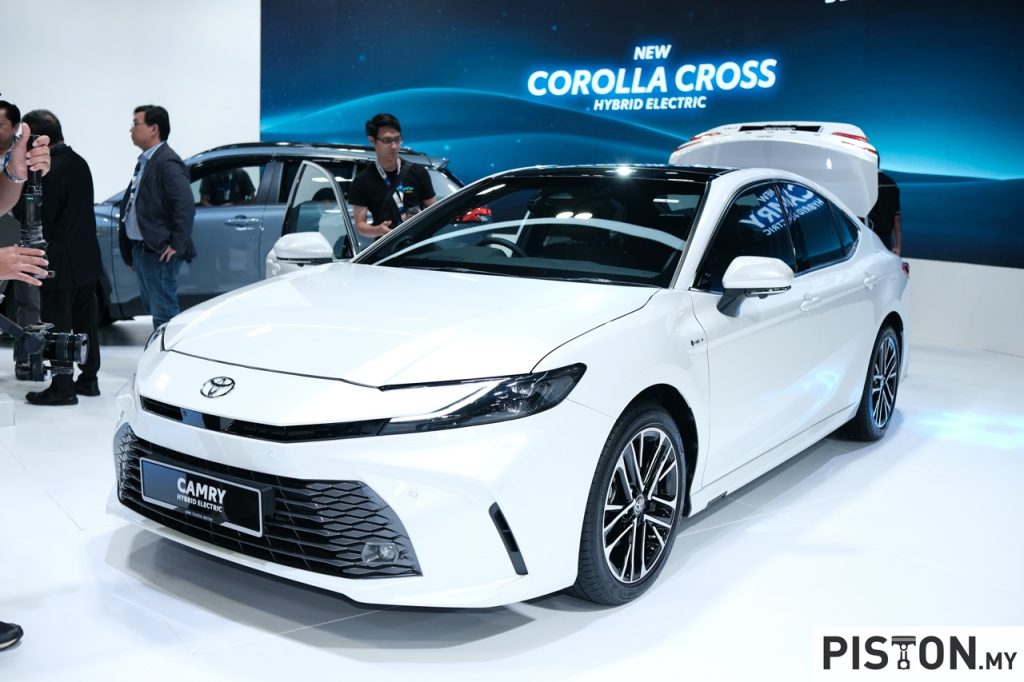
Overall output for the carmaker is predicted to rise by 10%, meaning hybrids will account for 60% of the 11.3 million units it expects to sell in 2028 globally.
You may also be interested: Here Is The New 2026 Toyota Vios Hybrid, Two Variants Priced From RM110k
Currently, Toyota commands a majority 58% slice of the global hybrid market as of the end of 2025. The big T expects combined hybrid sales from all carmakers to climb to 29 million units in 20230.
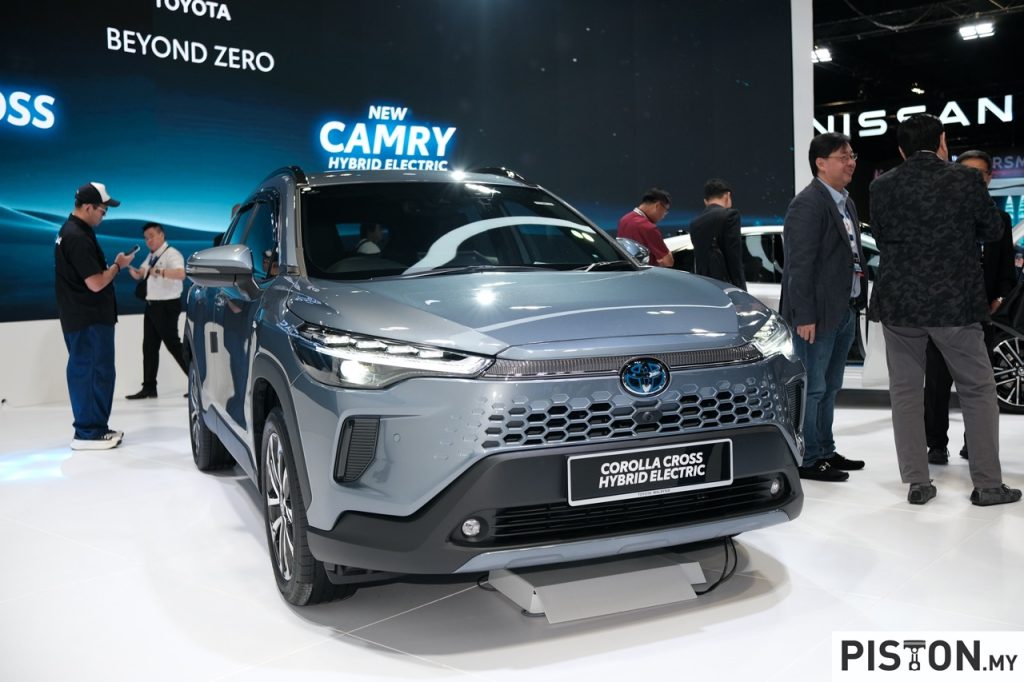
A large part of its hybrid sales will be contributed by the US market, where hybrid variants of the evergreen Camry sedan and Tacoma pick-up are performing well. Last year, it recorded an overall increase of 8% there, selling 2.51 million units. In total, Toyota has around 17 hybrid variants in the US.
You may also be interested: The 2026 Toyota Vios Hybrid Battery Is Assembled In Malaysia
Unsurprisingly, Toyota will be expanding its US investments to the tune of USD10 billion over the next five years.
Many other major carmakers are also backtracking on their EV push or readjusting their strategies, especially given the EU’s reversal on its internal combustion engine ban.
You may also be interested: New Toyota Vellfire HEV Takes Centre Stage as UMWT’s Flagship of Electrified Luxury
Some, like Tesla, are pivoting towards non-automotive products. The EV carmaker suffered a 9% drop in sales for 2025, prompting it to end production of the Model S and Model X, converting their factories to instead make humanoid robots.