
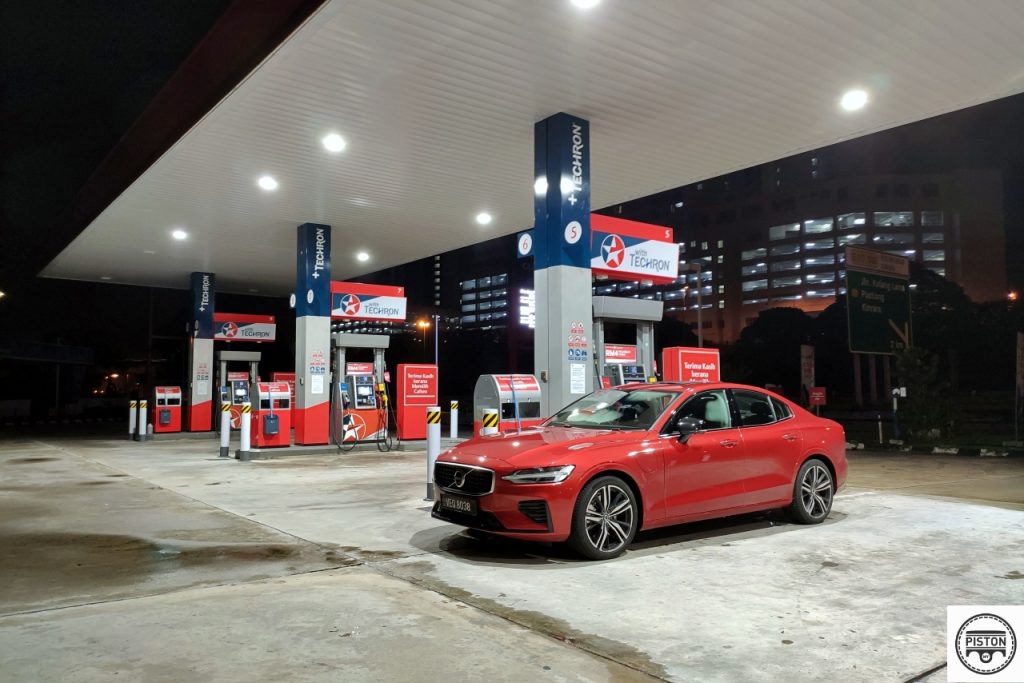
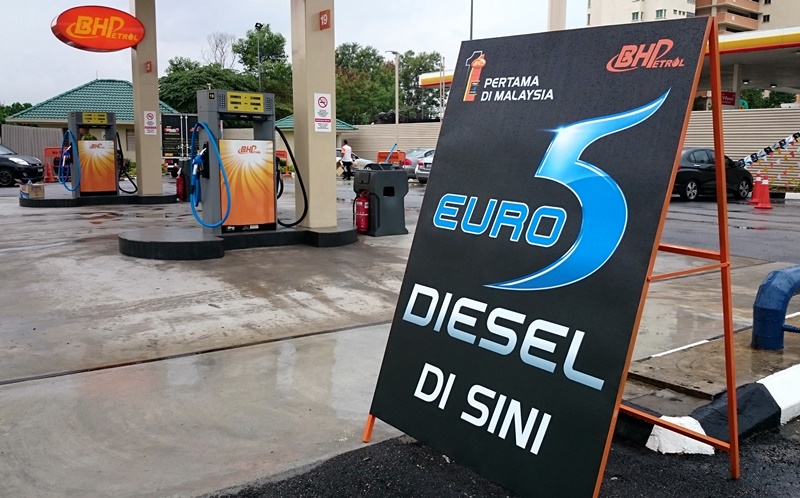
Malaysia’s fuel price story gained quite some traction this week. Starting today, the retail price of Euro 5 B10 and B20 diesel in Peninsular Malaysia is RM 3.92 per litre for March 12 to 18, up 80 Sen from the previous week, while Euro 5 B7 diesel now stands at RM 4.12 per litre. At
The immediate trigger is the latest Middle East conflict, which has sent oil markets into another bout of volatility. Reuters reported Brent crude at $100.52 a barrel on March 12 after earlier touching $119.50, as attacks on shipping and energy infrastructure around the Gulf deepened concerns over flows through the Strait of Hormuz, a route that typically carries about 20% of the world’s oil and LNG.
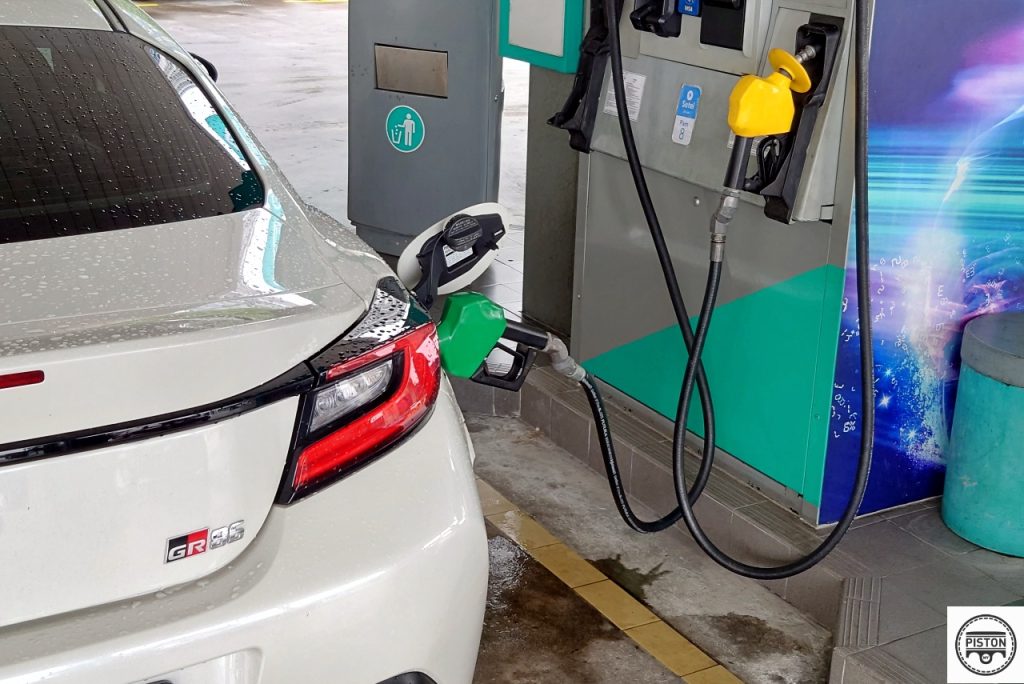
For Malaysians, the government has confirmed that subsidised RON 95 under the BUDI95 mechanism remains at RM 1.99 per litre, despite the jump in market-linked prices. For diesel, the government has also raised BUDI Diesel cash assistance from RM 200 to RM 300 for March, with the additional RM 100 to be paid from March 17.
Prime Minister Datuk Seri Anwar Ibrahim has also said Malaysia’s petroleum product supply is sufficient until at least May 2026, based on a review with Petronas. That does not mean Malaysia is insulated from the global price shock, but it does mean the country currently has a buffer while the crisis plays out.
That buffer matters because the wider region is already reacting. Regional reports indicate that governments in ASEAN are discussing or implementing measures such as work-from-home arrangements, reduced official travel, car-pooling and shorter work weeks to curb fuel consumption, while Indonesia is preparing to raise subsidy allocations.
You may also be interested in: South Korea To Cap Fuel Prices For First Time In Nearly 30 Years Amid Oil Market Shock
What happens if the disruption goes beyond the 60-day cushion?
That is the harder question, and the honest answer is that nobody can say with confidence yet. The conflict is still fluid. Reuters reported the war began on February 28, and by March 11-12 the disruption had already escalated to attacks on tankers, heavy restrictions on Hormuz traffic and emergency releases from strategic stockpiles.
The IEA and the US are releasing 400 million barrels in total, including 172 million barrels from the US Strategic Petroleum Reserve, but that is meant to calm markets and buy time, not solve the underlying geopolitical problem.
Historically, oil shocks tend to follow a familiar pattern. The first phase is the sharpest: prices spike on fear, headlines race ahead of actual physical shortages, and consumers react emotionally. The second phase is the one to pay more attention to as either supply routes reopen and prices retrace, or the disruption becomes structural and prices stay elevated long enough to hit transport costs, inflation and household budgets.
In the current episode, there are already mixed signals. Some experts say traffic through Hormuz could recover in weeks, while others warn it could take weeks or even months if the route has to be cleared and secured.
That is also where psychology comes in. When fuel jumps quickly, many drivers respond as if the next shortage is certain. That can lead to panic buying, which worsens the strain on supply chains and public sentiment even before an actual shortage appears. Reports of panic buying have already surfaced in parts of Southeast Asia. In other words, fear can become its own accelerant.
As an oil producing country, why is Malaysia still affected?
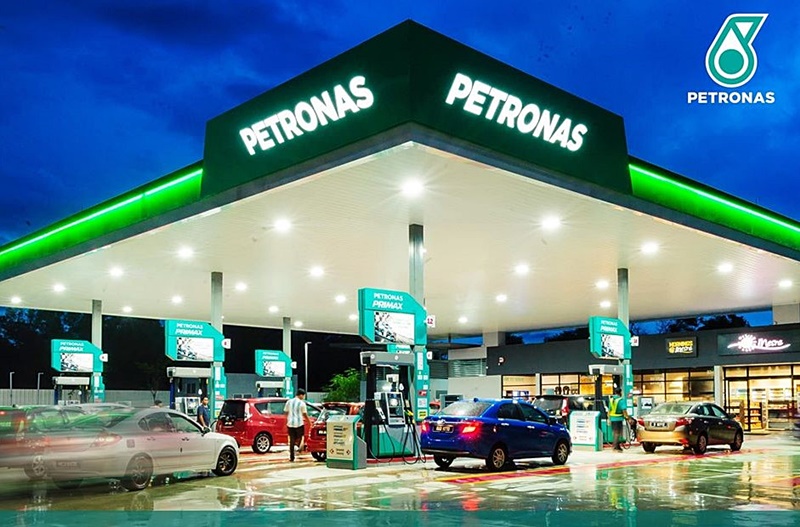
Whenever fuel prices rise, a common question pops up: “Why is Malaysia affected if we produce our own oil?”
Malaysia is indeed an oil-producing country through Petronas, exporting crude oil and natural gas to global markets. However, Malaysia is also part of the global oil market, meaning local fuel prices are still influenced by international supply and demand.
Simply put, Malaysia exports crude oil, but the petrol and diesel sold at stations are refined fuels priced against global benchmarks, not local production cost.
Petronas also sells crude at market rates. That revenue flows back to the country through taxes and dividends, which help fund subsidies. Selling oil domestically at artificially low prices would mean sacrificing a significant portion of national income.
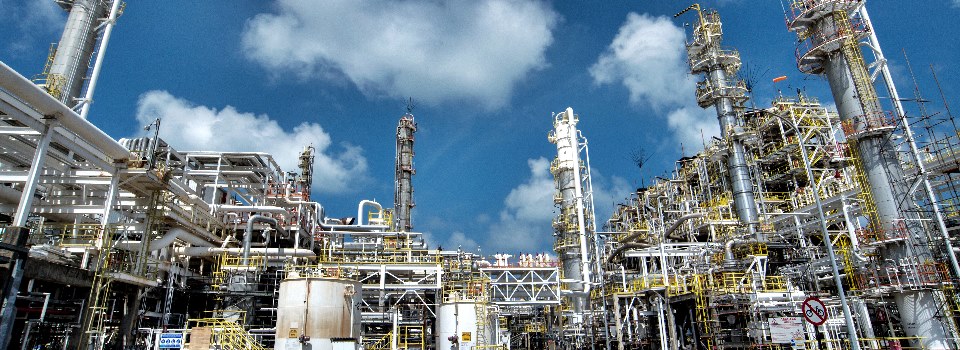
Also, Malaysia is now effectively a net importer of crude oil. Production has declined over time while demand has grown. Our higher-quality crude is often exported for better value, while cheaper crude is imported for refining. In some cases, we also import refined fuel to meet demand. Even then, crude is only part of the equation. Fuel still needs to be refined and distributed, and those costs are also tied to global prices.
So local fuel prices are not just tied to global prices, but also global supply chains. When there are disruptions, like tensions in the Middle East or along key shipping routes, costs go up. Not just for oil, but for getting it here.
This is why oil-producing countries, like Norway and even Saudi Arabia, still experience fuel price fluctuations domestically. Malaysia’s main protection against global price shocks is therefore subsidies, not domestic production alone.
So how do you stay ahead?
The practical answer is not to panic, but to think one or two steps further than the average motorist.
If you are on RON95 subsidy eligibility, make sure your BUDI95 status is in order because that RM 1.99 price is now a much bigger shield than it looked a week ago. If you are a diesel user eligible for support, the same logic applies to BUDI Diesel.
Beyond that, this is the moment to rethink exposure. Large-displacement daily drivers, low-efficiency SUVs and long solo commutes become more expensive very quickly once oil volatility spills into retail pricing. Efficient hybrids, plug-in hybrids, EVs or even simply consolidating trips start to look less like lifestyle choices and more like resilience tools. Europe is already relearning that lesson, with analysts there warning of hundreds of euros in extra annual fuel costs if oil stays around $100.
For now, Malaysia is protected better than many neighbours. But if the conflict drags on past the current supply cushion, the conversation will move from “will prices jump again?” to “how much more can subsidies absorb?” That is when fuel stops being just a weekly pump-price issue and becomes a broader cost-of-living story.
You may also be interested in: Oil Prices Are Rising Again. Here’s How Malaysians Can Protect Their Wallets