
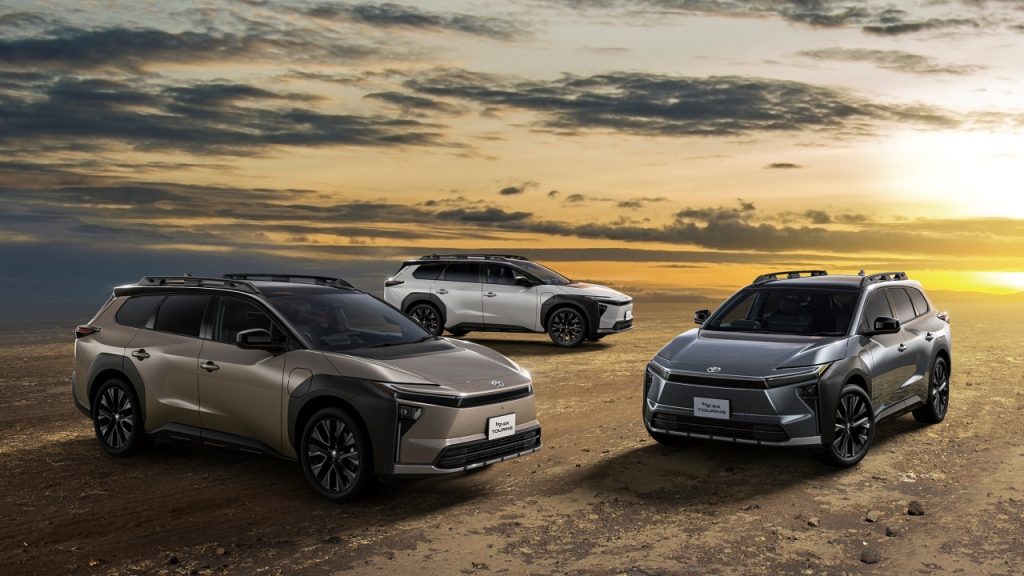
Toyota has introduced the 2026 Toyota bZ4X Touring in Japan, expanding the updated bZ4X line-up with a more spacious, lifestyle-oriented variant. The 2026 Toyota bZ4X Touring builds on the facelift with a longer body and increased cargo capacity. Measuring 4,830 mm in length, it offers 619 litres of luggage space under the VDA method, expanding
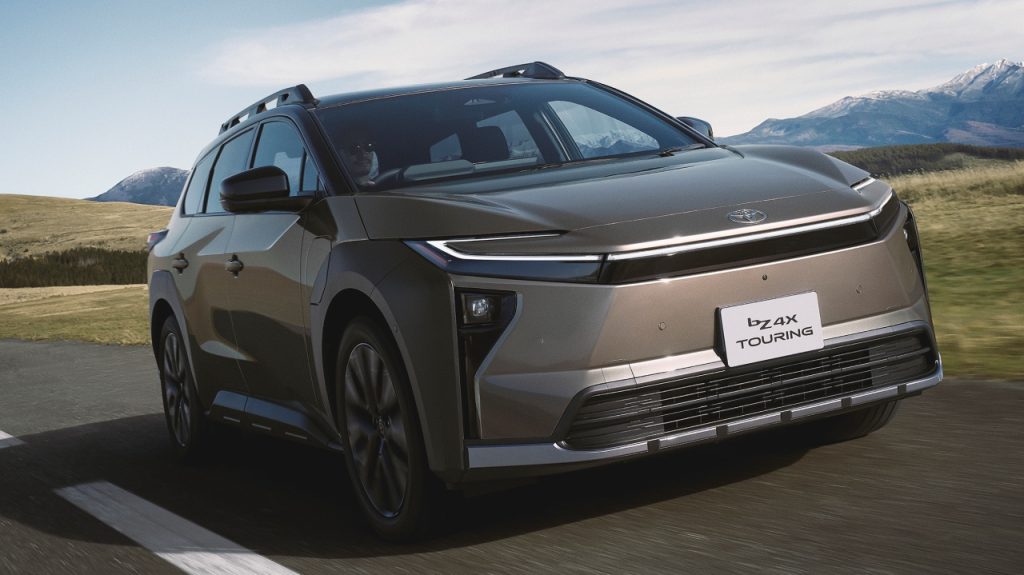
Toyota has introduced the 2026 Toyota bZ4X Touring in Japan, expanding the updated bZ4X line-up with a more spacious, lifestyle-oriented variant.
The 2026 Toyota bZ4X Touring builds on the facelift with a longer body and increased cargo capacity. Measuring 4,830 mm in length, it offers 619 litres of luggage space under the VDA method, expanding to 1,240 litres with the rear seats folded.
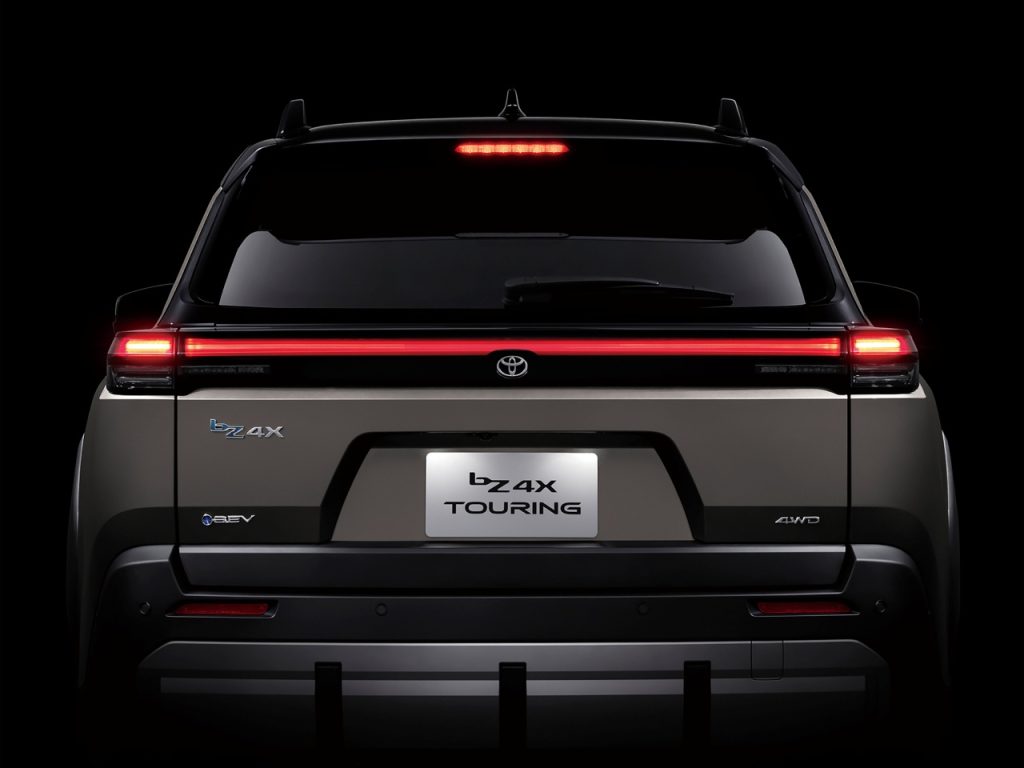
In Japan, the 4WD Touring produces up to 280 kW, equivalent to approximately 380 PS, and accelerates from 0 to 100 km/h in 4.6 seconds. Toyota claims a driving range of up to 734 km on the WLTC cycle for the front-wheel-drive version, although WLTP figures have not been published.
The Touring supports up to 150 kW DC charging and incorporates battery pre-conditioning linked to the navigation system.
You may also be interested in: Toyota to Start Assembling its bZ4X All-Electric SUV in Indonesia
What about Malaysia?
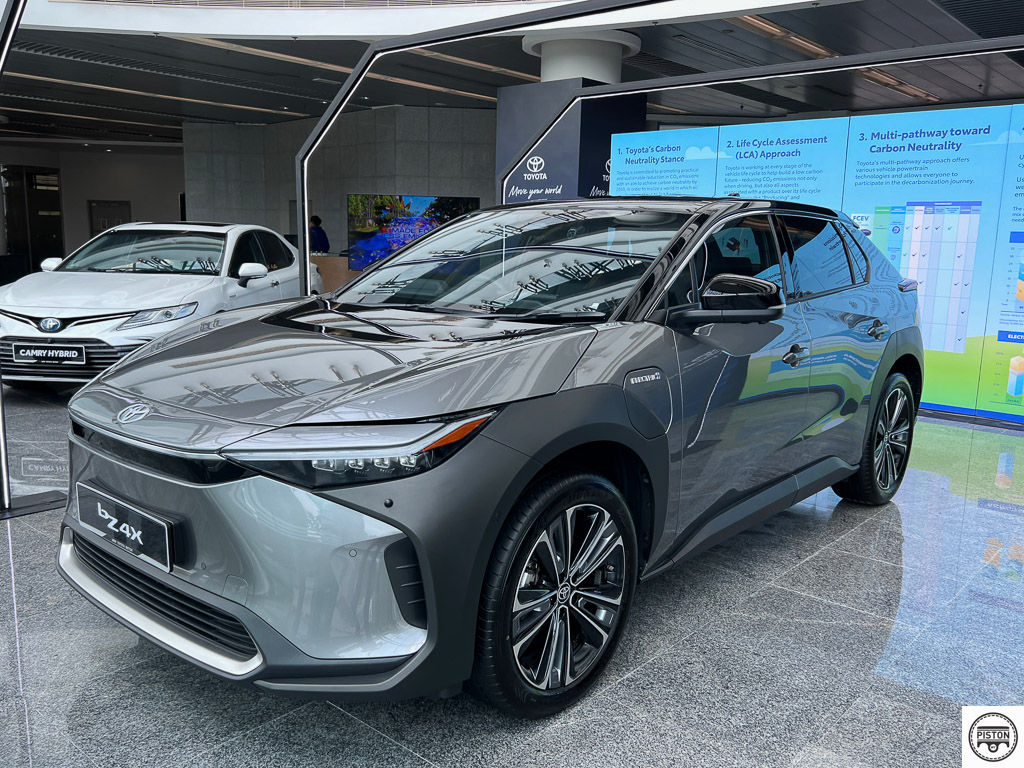
Back in 2023, UMW Toyota Motor registered a small number of pre-facelift bZ4X units in Malaysia as part of evaluation exercises ahead of a potential launch.
The battery-electric SUV was equipped with a 71.4 kWh battery and a 204 PS front-mounted motor. The front-wheel-drive variant offered up to 500 km of WLTP range, with DC charging rated at 150 kW and AC charging limited to 6.6 kW. Although a launch was expected the following year, the model did not proceed to market.
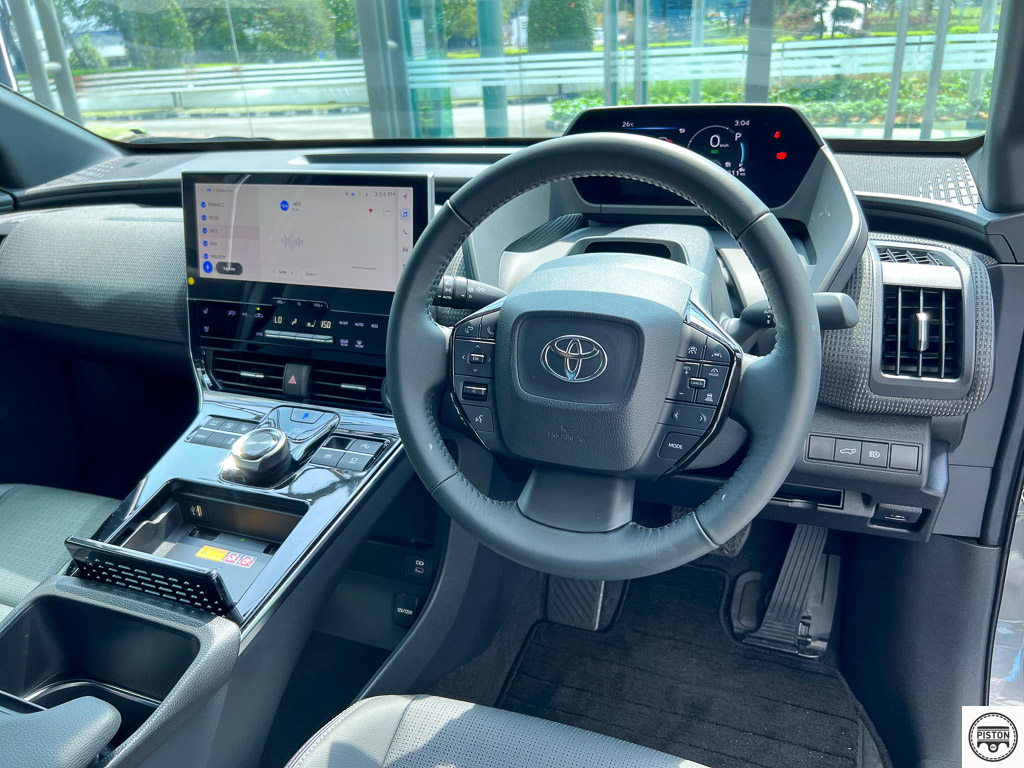
Since then, Toyota has introduced an update to the bZ4X in multiple markets. The revised model offers two battery options, 57.7 kWh and 73.1 kWh, with WLTP range extending up to 573 km for the larger front-wheel-drive variant. Power outputs have increased, with the 73.1 kWh all-wheel-drive version now producing 343 PS and completing the 0 to 100 km/h sprint in 5.1 seconds.
Charging capability has also been improved. Higher-grade variants receive a 22 kW AC onboard charger, replacing the previous 6.6 kW unit. DC charging remains rated at up to 150 kW. Battery pre-conditioning is now integrated to optimise charging performance when navigating to a fast charger.
Thailand has already introduced the facelifted model, with the 73.1 kWh FWD variant rated at 525 km WLTP.
You may also be interested in: Subaru Unveils All-New 2026 Uncharted Electric Crossover in New York
Malaysia has yet to receive any version of the model. Should UMW Toyota Motor proceed with an introduction, alignment with regional specifications such as those offered in Thailand appears more likely than adoption of Japan-specific variants.
Pricing and localisation will also be key considerations, particularly as CBU EV incentives expire and competition in the segment continues to intensify.