
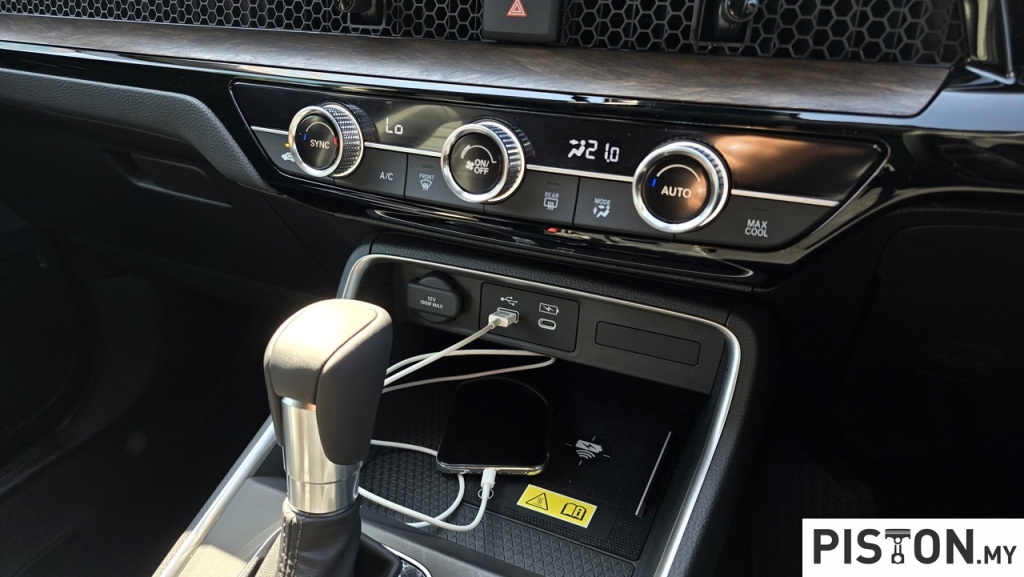
The automotive industry has seen remarkable progress in recent years, with cars becoming safer and more efficient. However, there are certain trends that many would prefer to leave behind, such as the heavy reliance on touchscreen controls for essential functions.
European New Car Assessment Programme (Euro NCAP), a leading automotive safety organisation, shares these concerns, particularly regarding touchscreen controls. Euro NCAP Director of Strategic Development, Matthew Avery, emphasised the risks associated with the overuse of touchscreens, noting that they require drivers to divert their attention from the road, increasing the likelihood of distraction-related accidents.
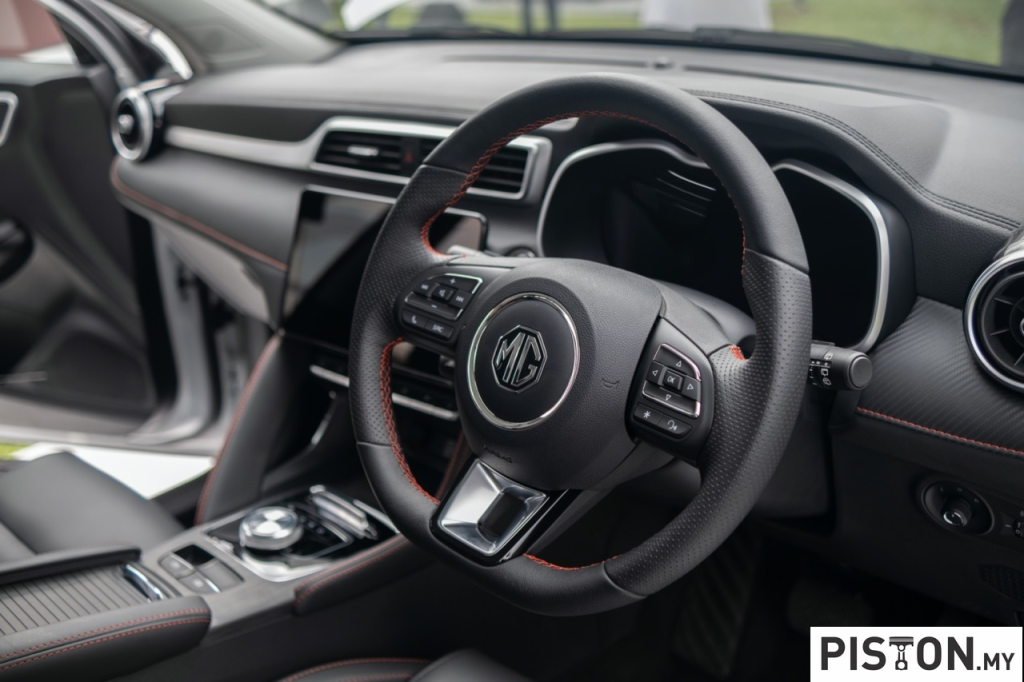
To address this issue, Euro NCAP plans to introduce new tests in 2026 to encourage car manufacturers to incorporate separate physical controls for basic functions in an intuitive manner. This approach aims to minimise the time drivers spend with their eyes off the road, thus promoting safer driving practices.
While Euro NCAP does not advocate for every function to have its dedicated button or switch, it recommends physical controls for essential functions such as turn signals, hazard lights, windshield wipers, the horn, and SOS features like the European Union’s eCall.
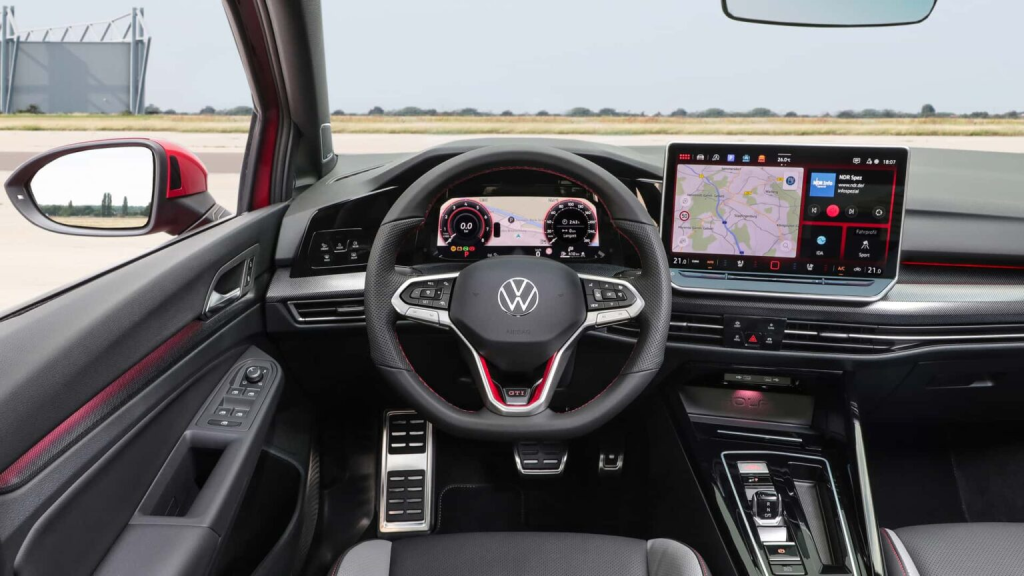
Back in 2023, Volkswagen CEO Thomas Schäfer claimed that the widely condemned addition of touch-sensitive controls (haptic buttons) to his brand’s models “definitely did a lot of damage” and he has vowed to introduce more straightforward, useful interiors in all upcoming models.
Even Hyundai’s head of design at the introduction of the new Hyundai Kona, Sang Yup Lee, said “We have used the physical buttons quite significantly the last few years. For me, the safety-related buttons have to be a hard key.”
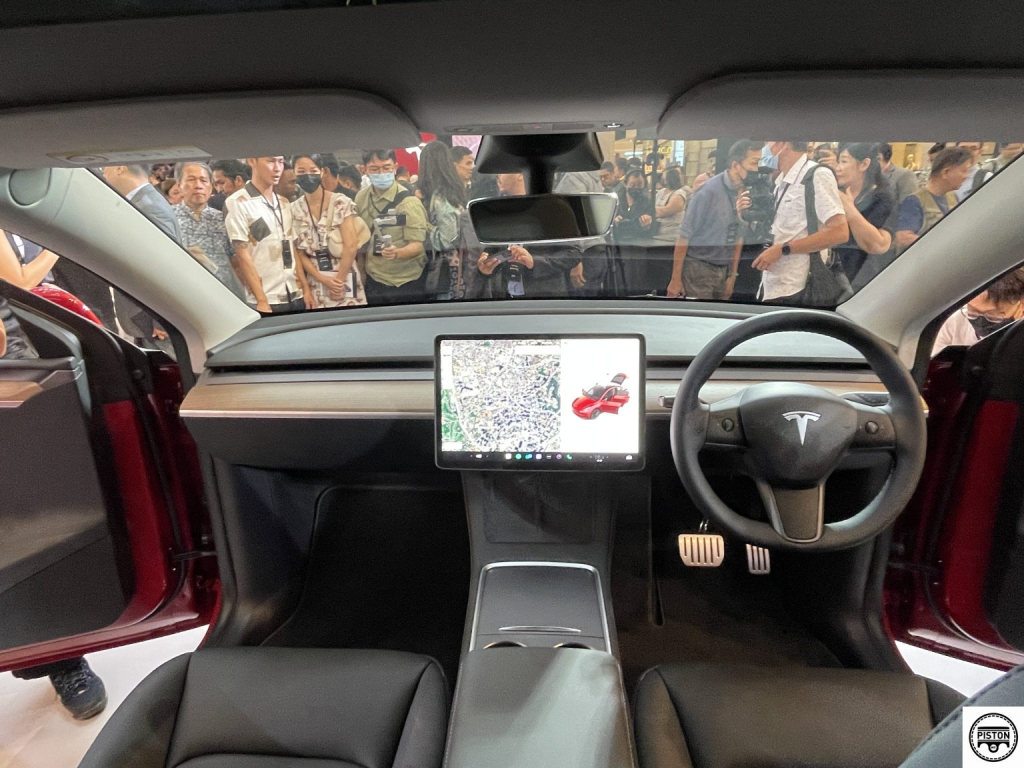
Notably, Tesla, known for its innovative approach to vehicle design, may face challenges in meeting these new guidelines, having recently replaced physical stalks with haptic buttons on the steering wheel for turn signal functions. While Euro NCAP lacks regulatory authority, its safety ratings hold significant weight in the industry, influencing consumer purchasing decisions similar to the Insurance Institute for Highway Safety’s Top Safety Pick program in the US.
While Euro NCAP’s recommendations are not legally binding, the pressure to achieve a five-star safety rating from the organisation may drive carmakers to prioritise the incorporation of physical controls for essential functions.
As Euro NCAP leads the charge for safer driving practices, it remains to be seen whether similar initiatives will be adopted by other automotive safety organisations worldwide.