
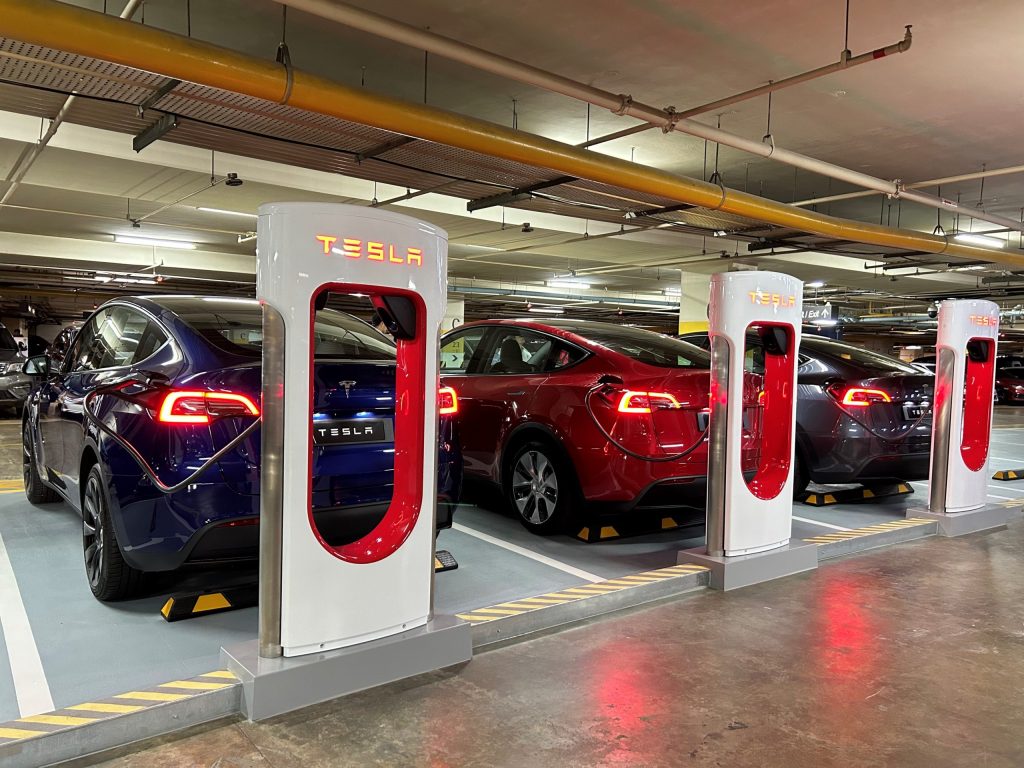
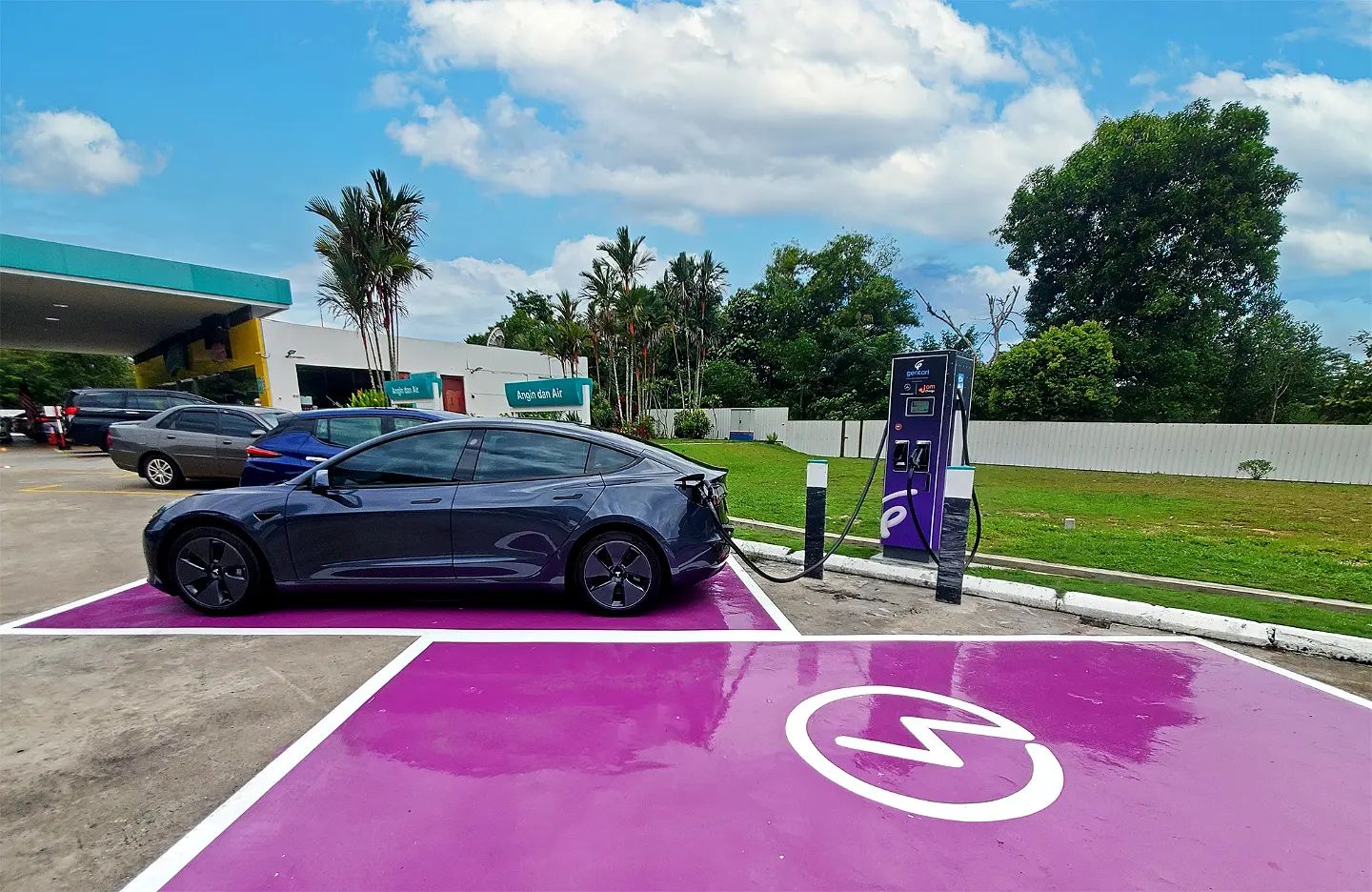
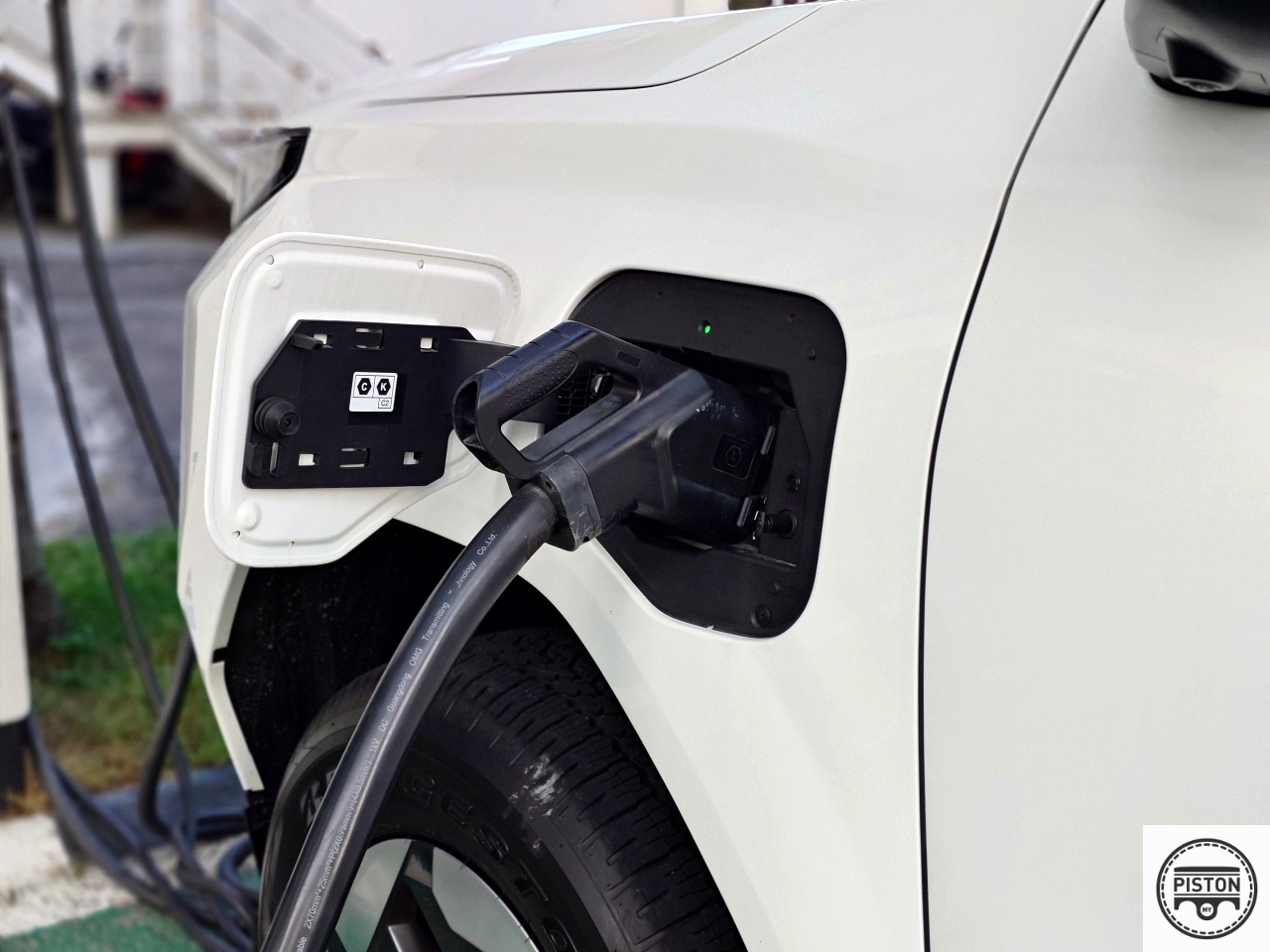
Malaysia now has 6,416 public electric vehicle (EV) chargers installed nationwide as of 31 May 2026, according to the Ministry of Investment, Trade and Industry (MITI). In a written parliamentary reply reported by Bernama, MITI said the figure consists of 2,143 DC fast chargers and 4,273 AC chargers.
This comes as MITI Deputy Minister Sim Tze Tzin said yesterday in the Dewan Rakyat that Malaysia is aiming to have 30,000 charging facilities by 2030. To reach that figure, the country still needs another 23,584 public chargers over the next four and a half years.
Depending on the starting point used, this means Malaysia needs to deploy more than 430 public EV chargers a month from now until the end of 2030.
The new target is a big jump from the earlier goal of 10,000 EV charge points by 2025, which was set under the Low Carbon Mobility Blueprint 2021-2030. Based on MITI’s latest figure, Malaysia is still 3,584 chargers short of that earlier 10,000 target.
MITI said the government has identified several challenges in charger deployment and has implemented measures to increase the number of charging facilities nationwide.
One of the measures is the implementation of the EV Charging Bay Planning Guidelines by PLANMalaysia, which MITI said has shortened the approval process to as little as 14 working days.
The ministry said the Whole-of-Government approach continues to be strengthened through engagements with local authorities, the Energy Commission, Tenaga Nasional Bhd, charging point operators, the EV Charging Industry Association and the Malaysia Zero Emission Vehicle Association.
However, charger deployment remains a major challenge, especially for high-powered DC charging sites and highway charging hubs.
Charge point operators often have to deal with land access, long-term lease negotiations, local authority approvals, grid connection, high upfront investment and, in some cases, the need for major electrical capacity upgrades before chargers can go live.
This is especially important for interstate travel, where highway DC charging hubs are needed to reduce range anxiety and make long-distance EV journeys more practical.
You might also like: Xpeng Malaysia Plans 30 3S Centres, 1,800 DC Chargers & CKD Expansion By 2028