
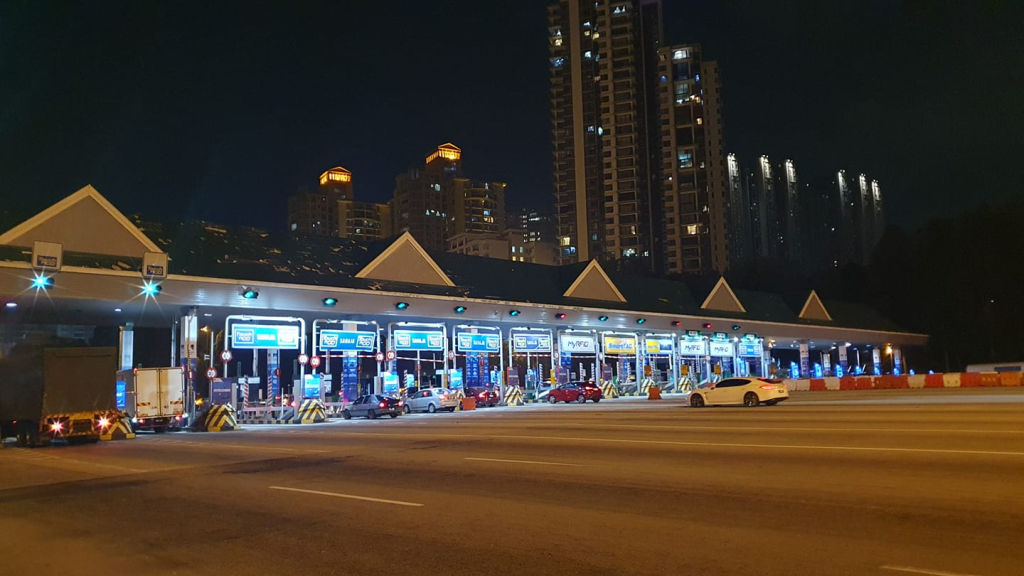
Concessionaires are raising concerns about the federal government’s involvement in the implementation of the multi-lane free-flow (MLFF) traffic project on private highways. This project aims to facilitate toll collection without requiring vehicles to stop or slow down, using advanced technologies like radio-frequency identification devices (RFID) and automated number plate recognition (ANPR).
Key Points of Concern
- Government’s Role vs. Private Operators’ Autonomy
- Government’s Plan B: Deputy Works Minister Ahmad Maslan announced that the government intends to issue a request for proposal (RFP) to potentially reduce project costs.
- Concessionaires’ Stance: Private highway operators believe they should have the freedom to select the service providers for implementing MLFF on their highways, as they own and manage these assets.
- Cost Implications and Efficiency
- Concessionaires’ View: Operators argue that they can implement the MLFF system more cost-effectively at their own expense. They claim that issuing an RFP and potentially awarding the project to a single company could increase costs and breach existing concession agreements.
- Government’s Rationale: The government believes an RFP could lower project costs, though concessionaires dispute this.
- Previous Agreements and Concerns
- Unilateral Decision: In December, the government reportedly signed an agreement with a company linked to YTL Corporation Bhd for a RM3.46 billion project without consulting concessionaires.
- Objections: Concessionaires have objected to this move, suggesting it could inflate costs by up to 30% and violate their agreements with the government.
- Berjaya Group’s Competing Bid: Earlier in the year, Berjaya Group sought support for a rival bid involving the installation of a barrier-free toll system. The government has assured that no final decision has been made and that concessionaires will be consulted.
Broader Context
- Highway Ownership: Of the 33 highways in Malaysia, only seven are fully owned by the government. The rest are privately owned and operated.
- Industry Dynamics: The dispute highlights the tension between government oversight and private sector autonomy in managing infrastructure projects.
The federal government’s involvement in the MLFF project has sparked debate among private highway concessionaires, who argue for their right to independently select and contract service providers. They believe this approach would be more cost-effective and respect existing agreements. The government, on the other hand, aims to reduce costs through a competitive RFP process. As the situation develops, it remains crucial for all stakeholders to find a balance that ensures efficient implementation while respecting contractual obligations and the interests of private operators.