
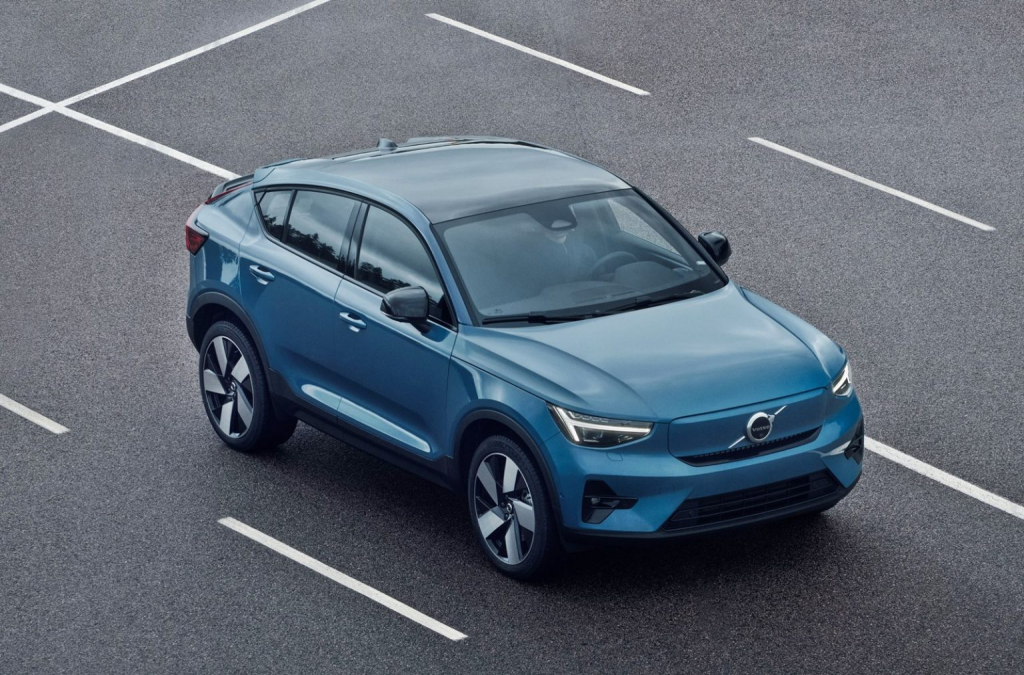
Volvo’s ambitious plan to become a fully electric automaker by 2030 has encountered scrutiny and potential revisions. Initially, Volvo aimed to phase out all internal combustion engines, including hybrids, and sell only fully electric vehicles by the target year. However, recent developments suggest that this goal might be adjusted.
Initial Commitment
In March 2021, Volvo committed to transitioning to a fully electric lineup by 2030, promising not to offer any vehicles with internal combustion engines beyond that date. This pledge marked a significant step in Volvo’s strategy to lead the automotive industry towards sustainable mobility.

Recent Developments
Recent statements from CEO Jim Rowan suggest that hybrid powertrains may continue to be part of Volvo’s lineup, serving as a transitional option for customers who are not yet ready to fully switch to electric vehicles. This indicates that hybrids and plug-in hybrids (PHEVs) might play a more prominent role in Volvo’s portfolio during the transition period.
Dealers’ Concerns
Volvo’s U.S. dealers have raised concerns about the feasibility of the 2030 target, arguing that hybrids could be essential for meeting market demands and maintaining competitiveness. Some dealers believe that retaining hybrid options might be crucial for their business viability and market presence.
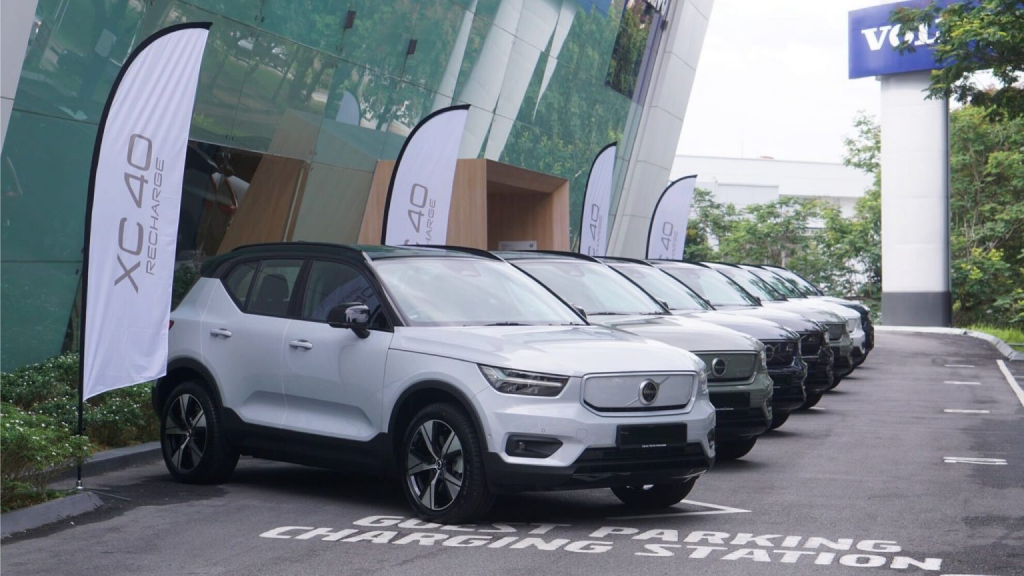
Market Challenges
The electric vehicle (EV) market has experienced a slowdown from its previous rapid growth. Automakers, including Volvo, are facing challenges such as price pressures, tariffs, and production delays. Volvo has encountered issues with its EX30 and EX90 models, including delays and technical bugs, which have impacted its sales performance and highlighted the difficulties in meeting aggressive electrification targets.
Strategic Adjustments
To address these challenges, Volvo is considering strategic adjustments. The company is exploring ways to leverage its existing platforms and technologies, including collaborations with Geely and Renault. These partnerships focus on improving the efficiency of non-hybrid and hybrid engines, potentially supporting Volvo’s shift towards a fully electric lineup while adapting to current market realities.
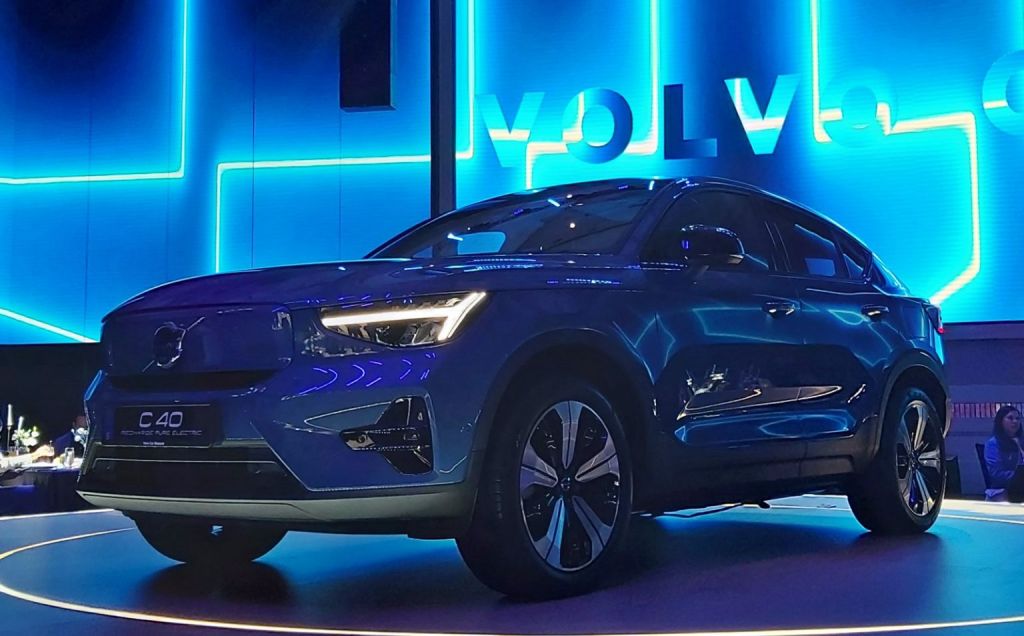
While Volvo remains committed to electrification, the company may need to reassess its strategy to navigate practical challenges and market dynamics. Integrating hybrids as part of the transition to a fully electric lineup could offer a balanced approach, ensuring Volvo meets customer needs and maintains its competitive edge in the evolving automotive landscape.