
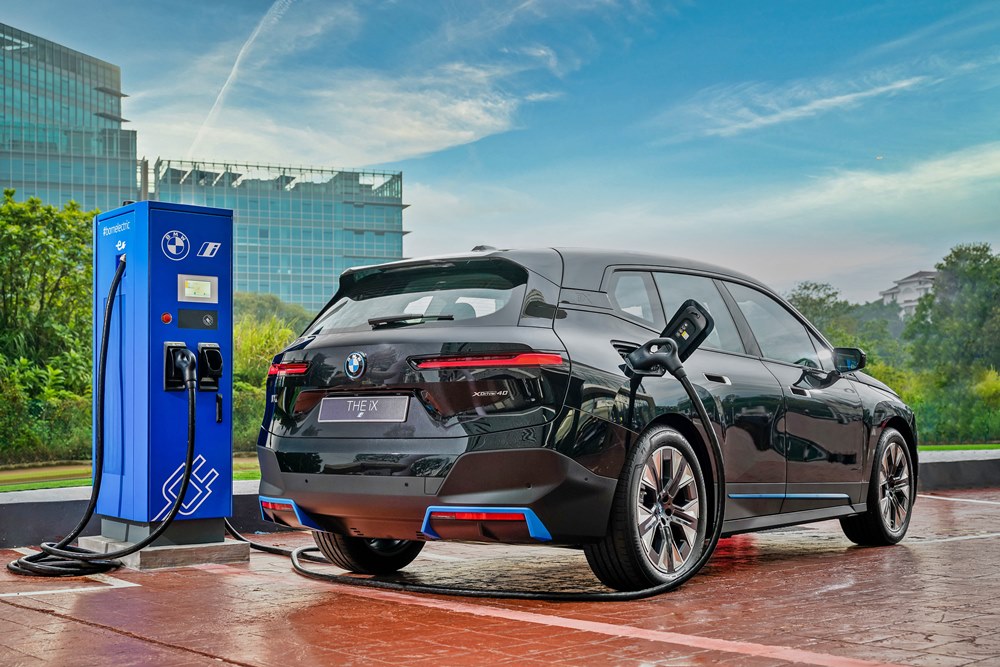
As we bid adieu to 2025, the same was said to the exemption of import and excise duties for CBU fully-imported electric vehicles (EV), replaced with a new structure that has just been announced and will be based on the country of origin as well as any standing free trade agreements (FTA) in place. The
The Malaysian Automotive Association (MAA) clarified the new figures that would govern CBU EV prices and it comes down to a combination of:
- 30% import duty
- 10% excise duty
- 10% sales tax
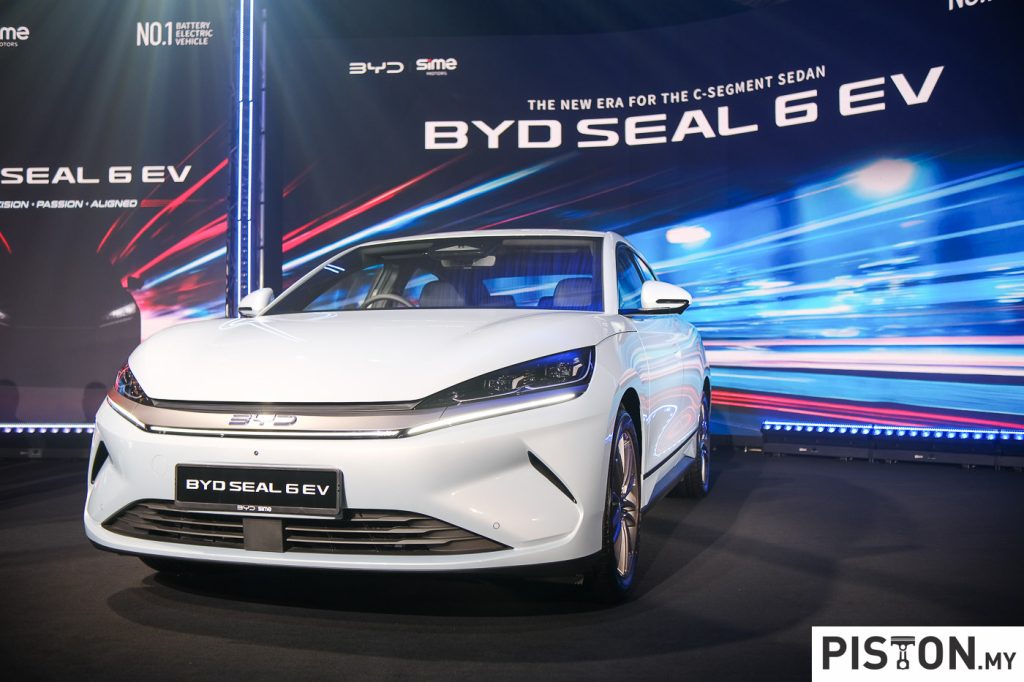
Sales tax has always been in place, it was the import duty that was previously exempted. Now, that will under the rule of any standing FTAs that Malaysia has with other nations.
In this scenario, CBU EVs from China, where most of those in country come from, will fall under a more favourable 5% + 10% + 10% structure due to the Asean-China Free Trade Agreement (ACFTA).
In contrast, the FTA Malaysia has in place with Korea will see their EVs charged under the aforementioned 30+10+10 scheme, meant to protect giants such as Hyundai and Kia, from being overwhelmed by more affordable imported EVs. Interestingly, CBU EVs from Japan will enjoy a 0% import duty.
Given that most of Malaysia’s EVs hail from China, even the Teslas, we should expect an increase of around 15%.
Currently, CKD EVs comprise the following:
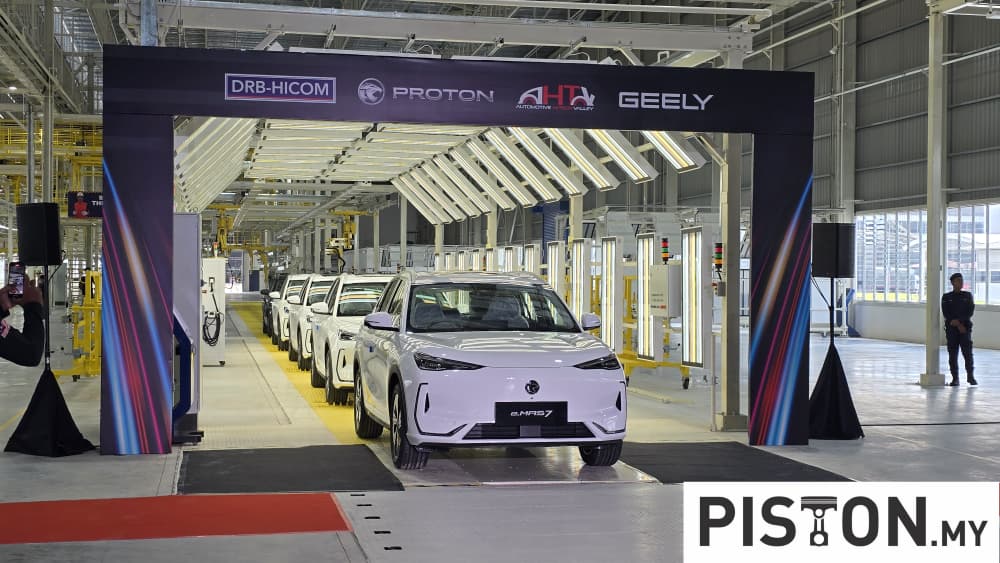
- Proton eMas 7
- BMW i5
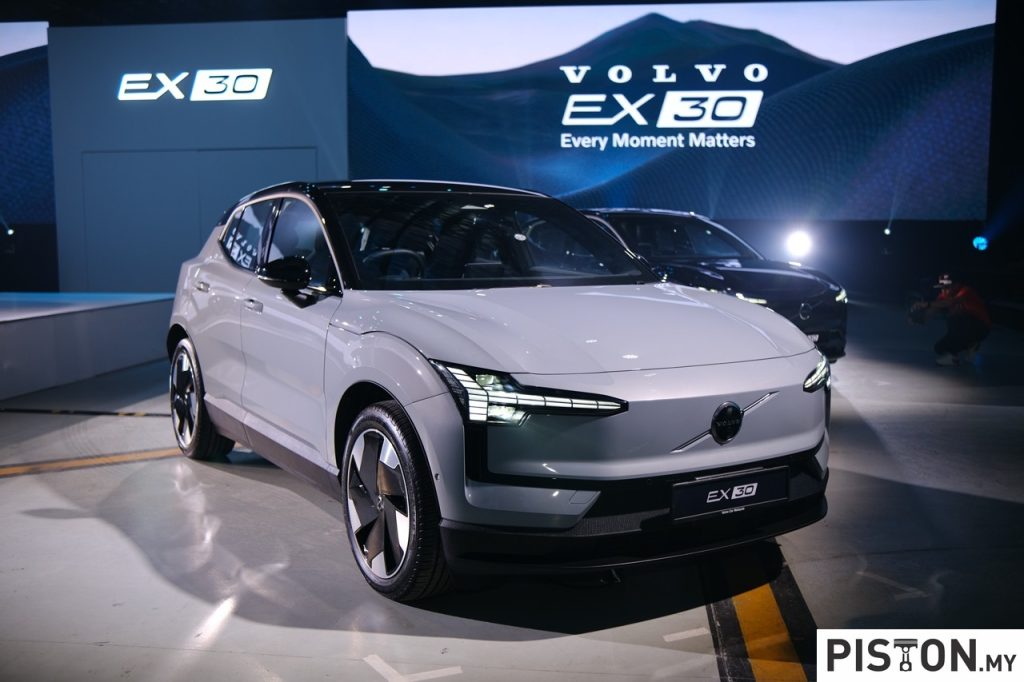
- Volvo EC40
- Mercedes-Benz EQS
- Chery Omoda E5
- Perodua QV-E
- TQ-Wuling Bingo
If everything goes according to plan, the Xpeng G6 and X9 will join that list beginning March 2026.
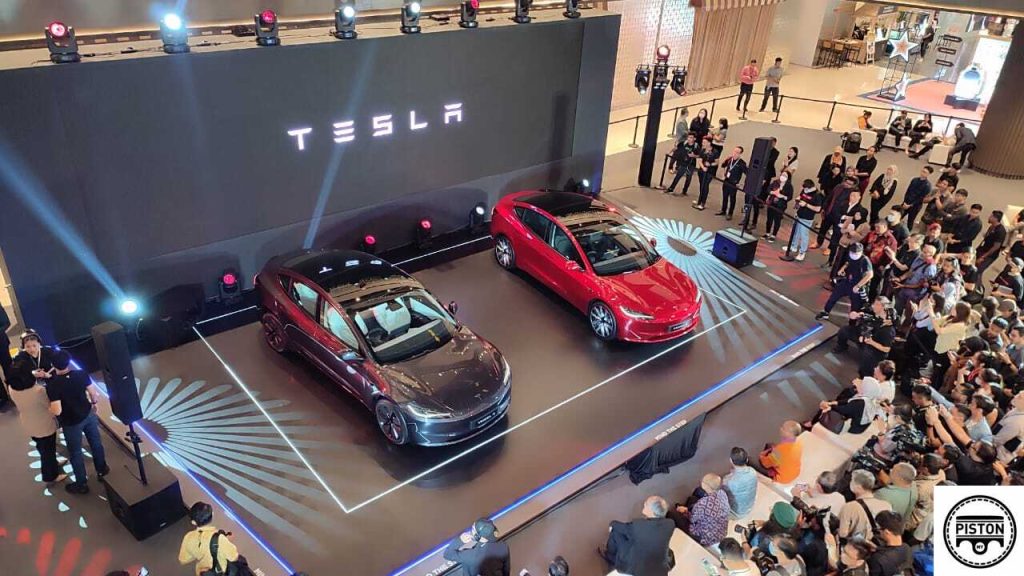
Most carmakers will reveal the new prices soon and the only one to have done so is Tesla that has opted to maintain its 2025 prices. Tesla however was previously given preferential treatment by the government, so it is unclear if the brand is absorbing the new tax and duties or has once again been given an exemption.
The government’s reasoning behind the initial exemption for CBU EVs was to bridge the gap and encourage carmakers to set up CKD EV operations here. However, the subsequent tax exemption for CKD EVs will conclude at the end of 2027, hardly a significant amount of time to gauge the market.
It could backfire with carmakers opting to just marginally increase the prices and carry on. Again, there is the case of the minimum floor price of RM250k for CBU EVs to not-so-gently nudge them in the CKD direction.