
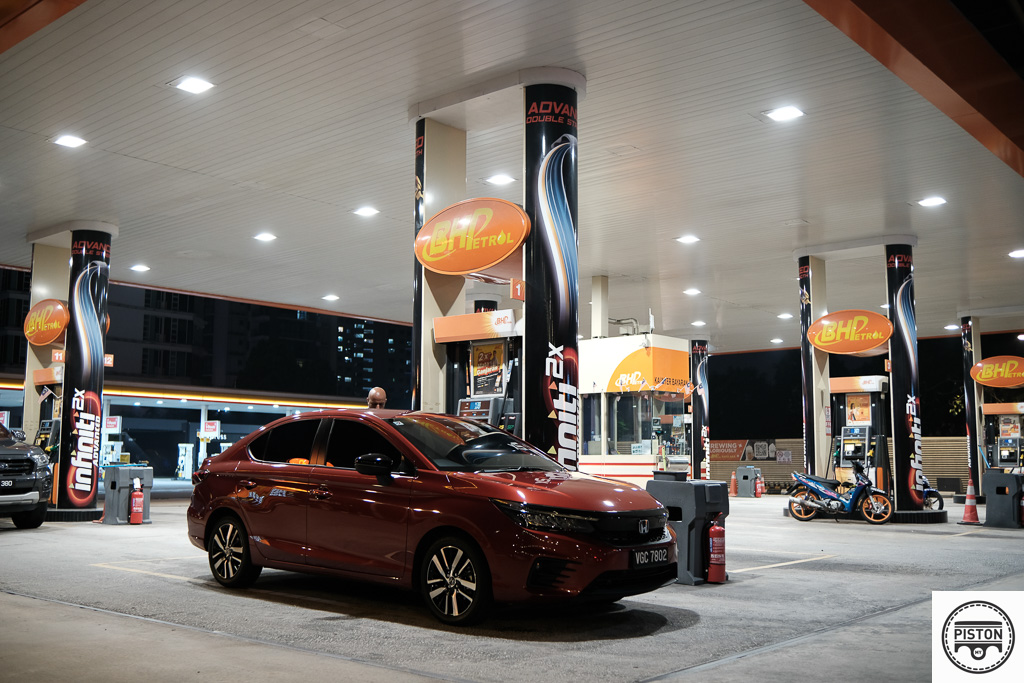
Sadly, the biggest topic of the week involves the unnecessary loss of life in the Middle East. Wars are never a good thing, but unfortunately they remain a reality of the world we live in. And while the conflict may be taking place thousands of kilometres away, Malaysians may still feel the effects of what’s
Iran sits along the Strait of Hormuz, a narrow waterway through which roughly 20 percent of the world’s oil supply passes. When vessels can move through the strait without disruption, global markets remain relatively stable. But with the strait now affected by the conflict, the implications are that oil prices are likely to rise.
Even though Malaysia is geographically far removed from the situation and may produce some of its own oil, the global nature of the oil market means we are not immune to its effects. Crude oil is traded internationally, and refined fuels are influenced by those benchmarks. This means disruptions thousands of kilometres away can still affect domestic pump prices, subsidies, and the wider economy.
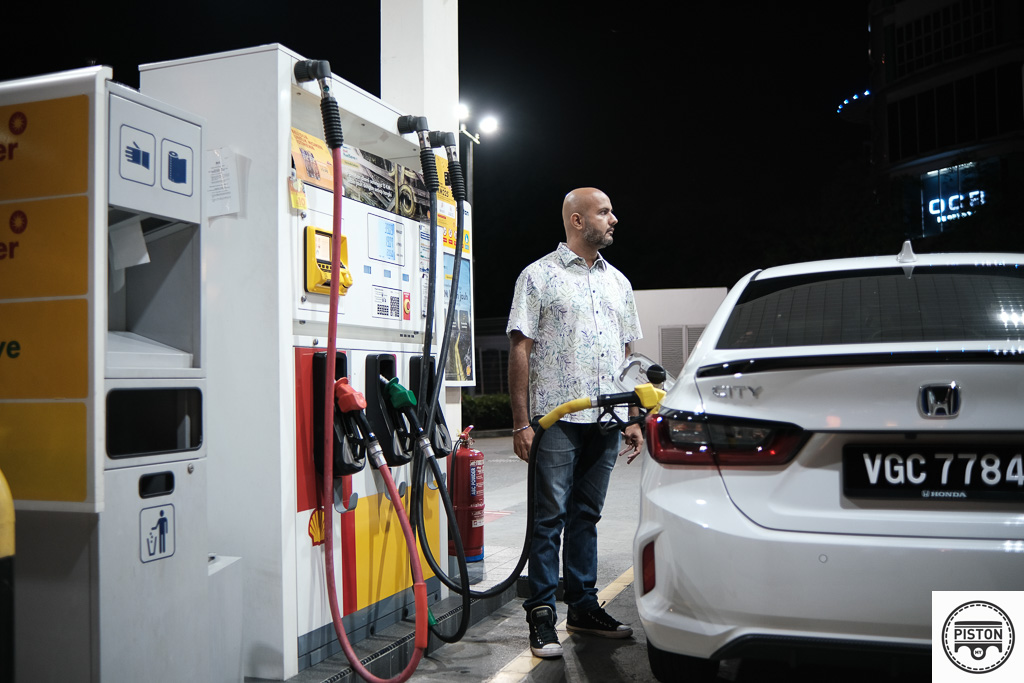
At the time of writing, the price of crude oil has already climbed by more than six percent, and reports from around the world suggest that markets are bracing for further increases. Should the conflict persist, higher fuel prices are likely to follow, and that may eventually translate into higher costs for goods and services as well.
Prime Minister Datuk Seri Anwar Ibrahim has said the government will try to maintain the price of RON95 petrol at RM1.99 per litre under the Budi95 programme despite global uncertainty. While that commitment offers some short-term reassurance, it also comes with an important caveat. Global market forces are beyond Malaysia’s control, and price increases cannot be ruled out if the situation worsens.
You may also be interested in: Geely-Backed Horse Powertrains Unveils Renewable Hybrid Engine With Goals Of 40% Lower Fuel Usage
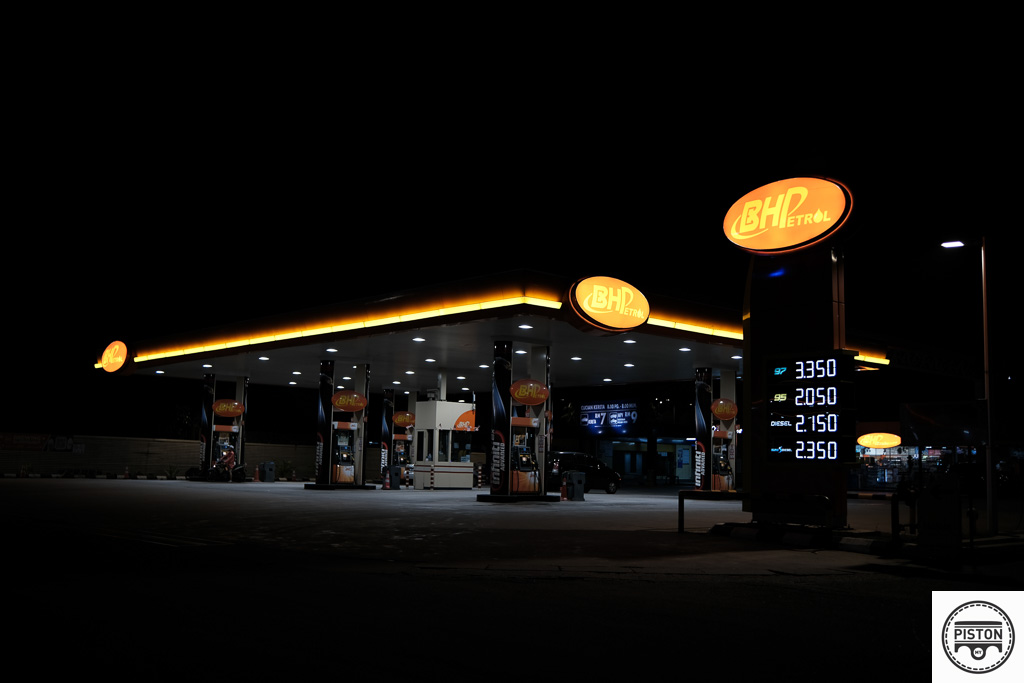
Recent fuel price adjustments reflect the pressure from global markets. In the latest weekly announcement, the price of RON 97 rose by 10 Sen, while the unsubsidised price of RON 95 and diesel increased by 8 Sen. Although the subsidised RON95 price remains capped at RM1.99 per litre for eligible Malaysians, the adjustment highlights how quickly global oil movements can filter through to domestic fuel pricing.
Even if pump prices remain temporarily stable, rising crude oil does not only affect what we pay at the petrol station. It also influences logistics costs, shipping, spare parts, lubricants and eventually the price of everyday goods. The impact tends to ripple through the economy quietly before it becomes obvious.
To deal with rising costs, people may try to cut back on unnecessary spending, but transportation is often unavoidable. Public transport coverage continues to improve, yet it still does not reach every corner of the country. For many Malaysians, driving remains a necessity.
For those who are unable to spend on a new, more economical vehicle, there are still ways to reduce fuel bills. Simple habits such as avoiding unnecessary acceleration and lifting off the accelerator earlier to coast before braking can help improve efficiency. There is already plenty of material available on fuel-efficient driving techniques.
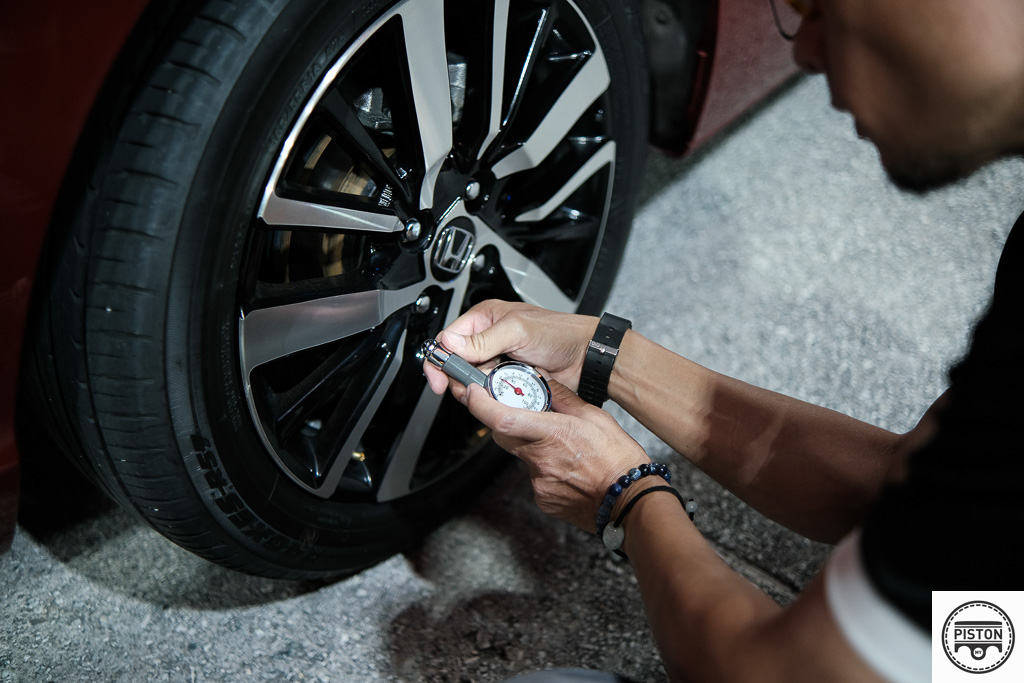
However, if you are keeping your current car, the most effective savings often come from maintenance discipline rather than drastic changes in driving style. Something as simple as maintaining proper tyre pressure can noticeably improve efficiency as underinflated tyres alone can increase fuel consumption by up to five percent. Hence, checking tyre pressure once a month can therefore make a noticeable difference over time.
On the maintenance side, a clean air filter, fresh engine oil and healthy spark plugs can also restore fuel economy that drivers may unknowingly lose over time. These are small interventions, but they can have measurable impact.
You may also be interested in: Vehicle Emissions Compliance Nears Target as Cleaner Fuels and Better Maintenance Pay Off
For those who can afford to invest in longer-term solutions, newer electrified vehicles may also be worth considering. Entry-level electric cars such as the Proton eMas 5, BYD Atto 2, and Leapmotor B10 are beginning to approach the RM 100,000 price range, and deals can often be found with some negotiation at dealerships.
Plug-in hybrid vehicles (PHEVs) are also gaining popularity and may offer a middle ground for those who remain sceptical about fully electric cars. Models such as the Chery Tiggo 7 PHEV and Proton eMas 7 PHEV combine electric driving capability with the reassurance of a petrol engine for longer journeys. But it has to be said that buyers should also look at the car’s actual fuel consumption figures in real-world reviews rather than relying purely on manufacturer claims.
That said, replacing a fully paid-off car simply because fuel prices have risen slightly can sometimes be financially counterproductive. Depreciation, insurance costs, financing interest and road tax may end up costing more than the potential fuel savings. Major purchases should ideally be driven by long-term needs rather than short-term headlines.
You may also be interested in: Honda Reaffirms Commitment to Hybrids But Will Continue To Develop EV’s
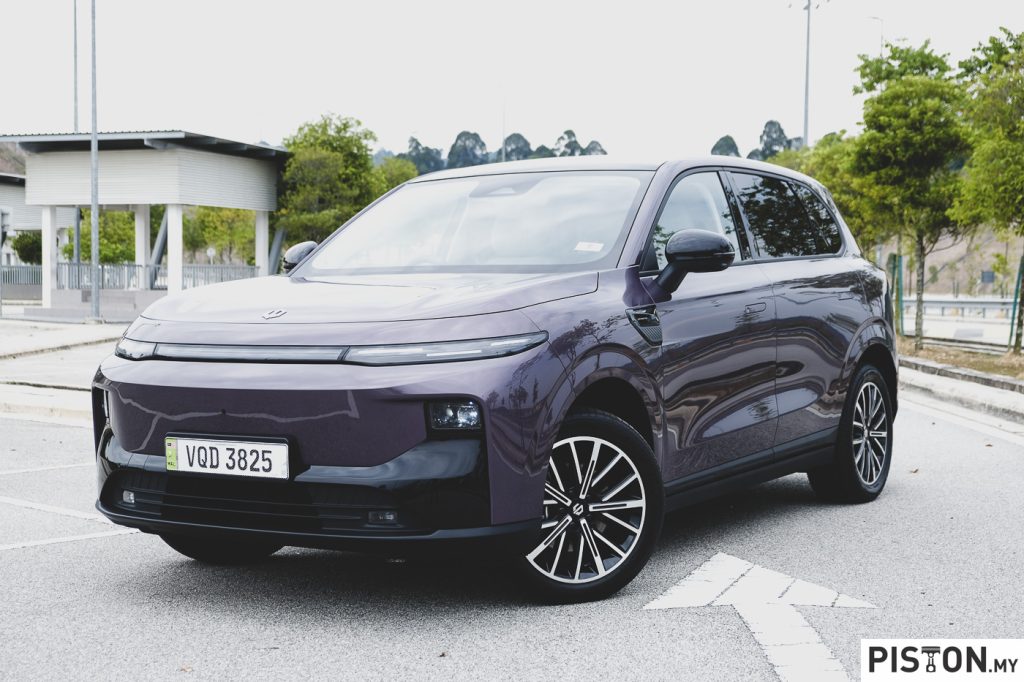
For those shopping in the used market, oil price volatility may also shift priorities. Instead of chasing high-output turbocharged SUVs, buyers may want to consider vehicles with naturally aspirated engines known for reliability, or established hybrid systems with strong battery track records. Lighter vehicles with smaller engines tend to consume less fuel as well. Fuel efficiency becomes more important when oil prices fluctuate, but reliability should remain a key consideration too.
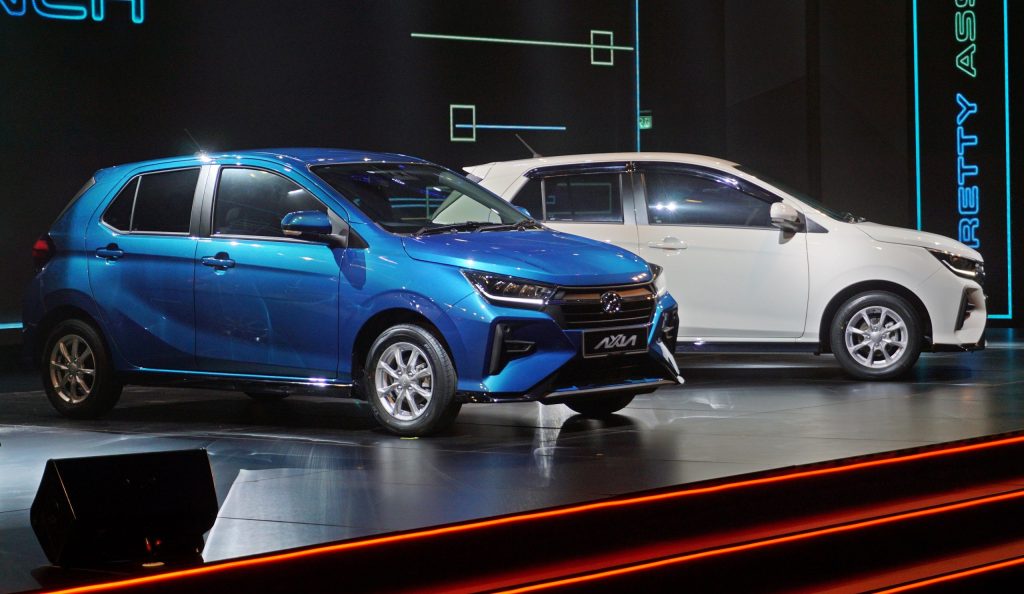
There is also a common assumption that the solution to rising fuel prices is electrification. In reality, downsizing can sometimes be more financially effective. Moving from a larger SUV to a smaller sedan or B-segment crossover can significantly reduce fuel consumption without requiring the financial commitment of purchasing a new electric vehicle.
Electrification is one pathway. Improving efficiency by choosing the right-sized vehicle is another.
You may also be interested in: Toyota Shares Its Future Plans for Asia
Ultimately, the simplest way to save some money is still to reduce fuel consumption altogether. Public transportation remains the most economical option where it is available. And if the last mile between your home and the nearest station is an issue, a small scooter could be a practical solution. Basic models can be purchased for less than RM4,000 and are particularly useful in navigating city traffic.
Oil markets move in cycles, and geopolitical tensions often come and go. What matters most for motorists is not reacting emotionally to every spike, but building habits that make them less vulnerable to those swings in the first place.