
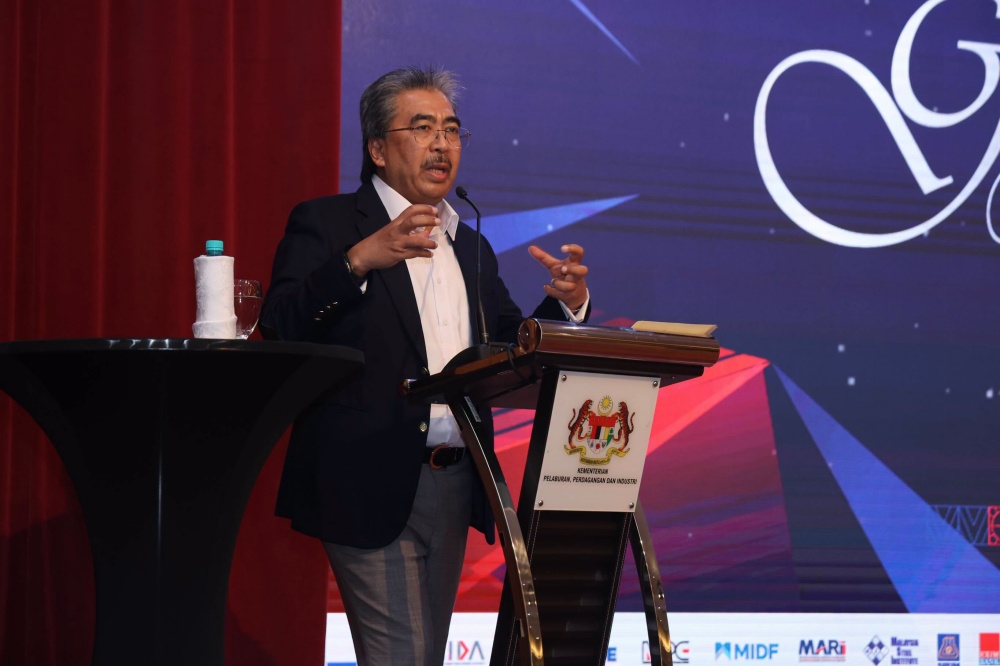
The Ministry of Investment, Trade and Industry (MITI) is targeting next year to roll out a revamped New Customised Incentive Mechanism (NCM) for the automotive industry.
According to The Edge, Investment, Trade and Industry Minister Datuk Seri Johari Abdul Ghani said the framework is still being refined through discussions with government agencies and industry players. The aim is to simplify the incentive structure so that investors and industry players can clearly understand how it works.
Johari said the government is targeting a release next year, although the exact timing has not been decided. This could be in January, March, or June, depending on when the framework is finalised.
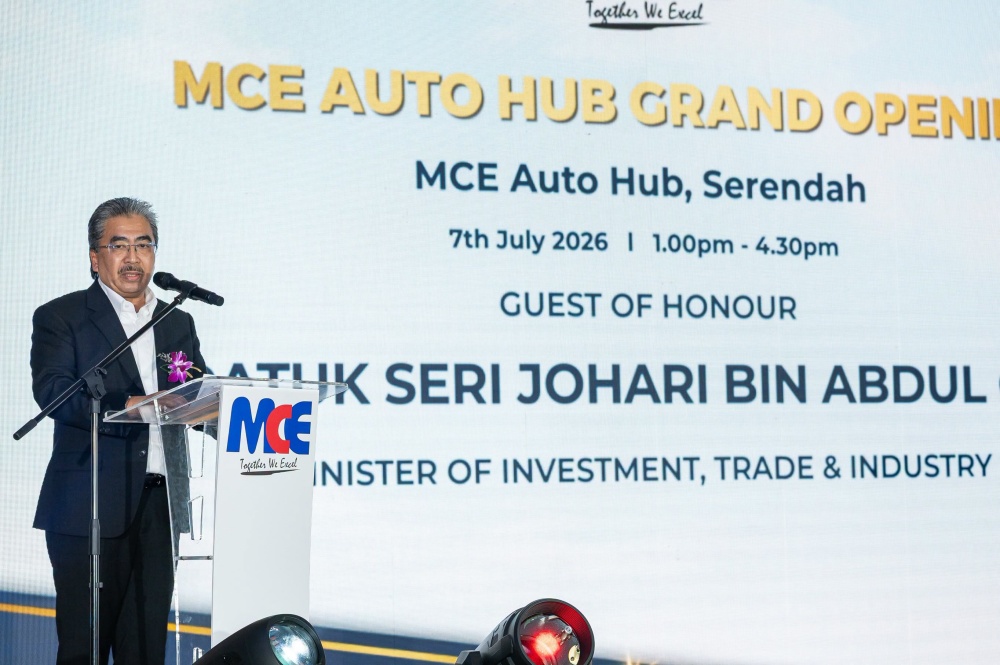
The updated NCM is expected to place greater focus on higher-value activities, rather than basic assembly or imported components. These include automotive electronics, design and engineering, software, battery technologies, advanced driver assistance systems, and intelligent mobility solutions.
MITI also wants localisation to go beyond surface-level local content. According to Paul Tan’s Automotive News, Johari said looking only at Tier 1 suppliers no longer gives an accurate picture, and that value creation should be traced through the supply chain, including Tier 2 and Tier 3 suppliers.
This means incentives will likely be tied more closely to genuine Malaysian value creation, rather than imported content being counted as localisation.
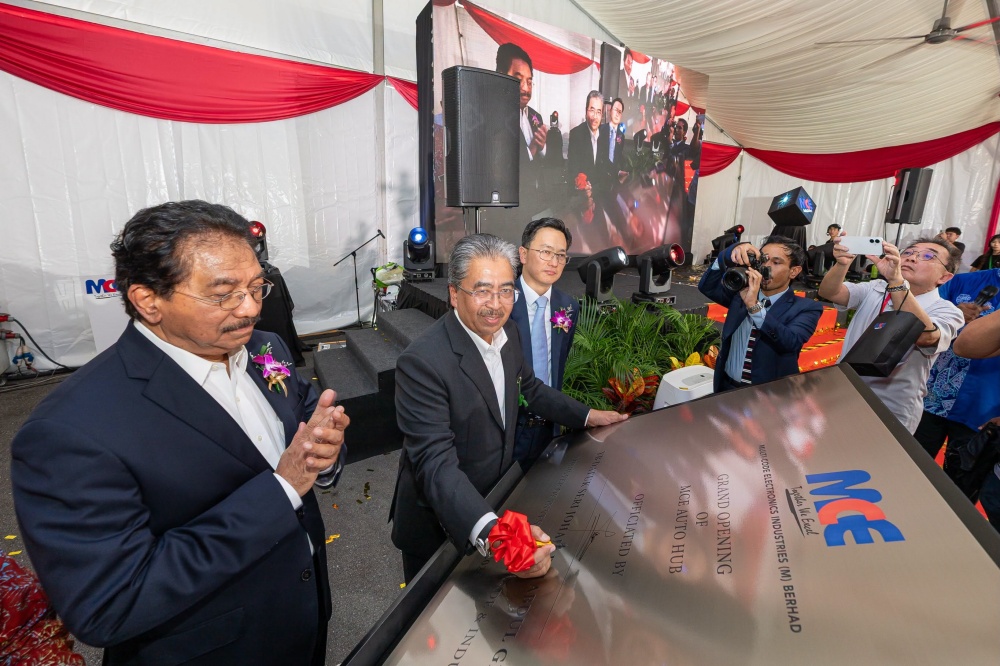
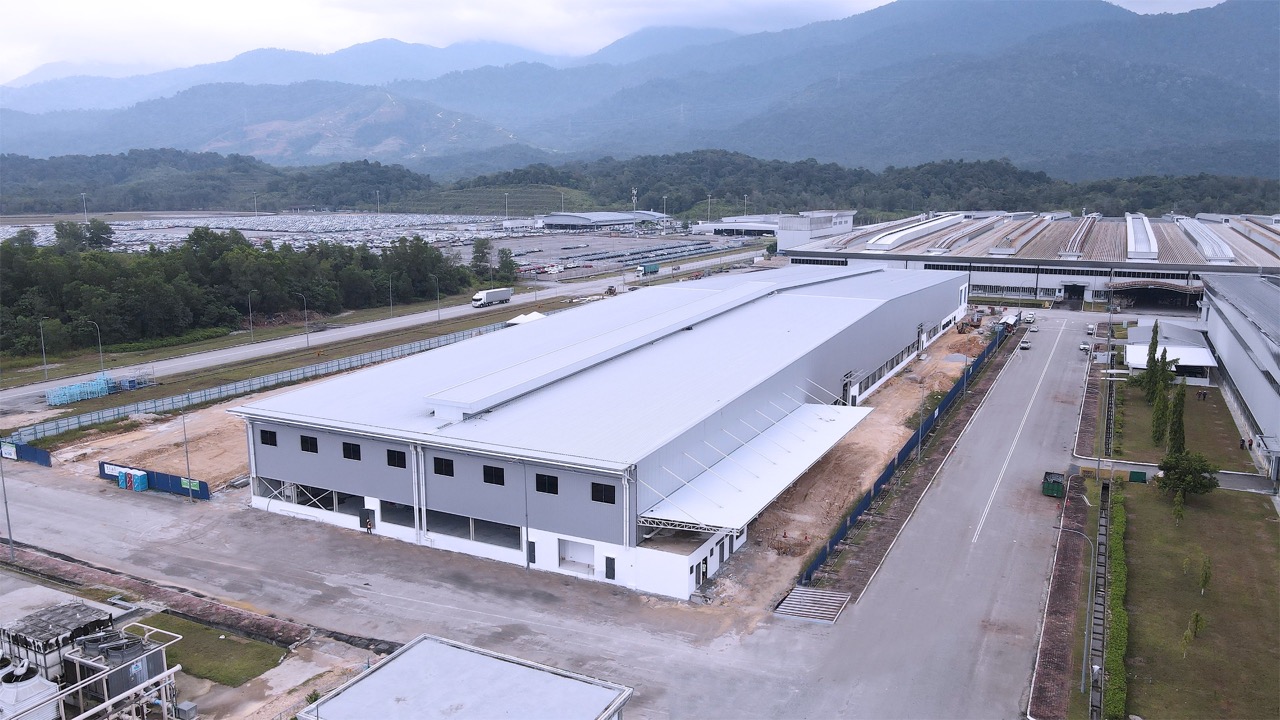
Speaking at the launch of MCE Holdings Bhd’s new RM 50 million auto hub manufacturing facility in Serendah, Johari said Malaysia remains open to foreign automotive investment. However, companies that set up assembly operations here are expected to progressively localise production and develop the domestic supplier base.
He said Malaysia should not be treated merely as a place to sell cars. If a car company only wants to sell vehicles in Malaysia, Johari said it does not need to open an assembly plant here.
You may also be interested in: MITI Shifts The Goalposts Again, Effective RM 300k Minimum Pricing For CBU BEVs, From 1 July 2026
However, if a company comes in to establish an assembly plant, the government is prepared to provide incentives, but it expects a reciprocal commitment to develop the components industry and ensure local companies benefit.
Johari said Malaysia already has one of Southeast Asia’s most comprehensive automotive ecosystems, supported by around 730 specialised automotive vendors. The ecosystem employs more than 700,000 people and contributed RM 84 billion to the country’s GDP in 2025.
At the same time, Malaysia’s trade deficit in motor vehicles and automotive parts has widened significantly. The deficit grew from RM 13 billion in 2020 to RM 33.8 billion in 2025, partly driven by rising imports of vehicles and components as the industry shifts towards electric vehicles and new energy vehicles.
Johari warned that without a strategic response, imports could further dominate the market and place more pressure on Malaysia’s domestic supplier ecosystem.
He added that future automotive policies will continue to welcome foreign manufacturers, but investments must bring advanced technologies, engineering capabilities, and meaningful technology transfer into Malaysia.
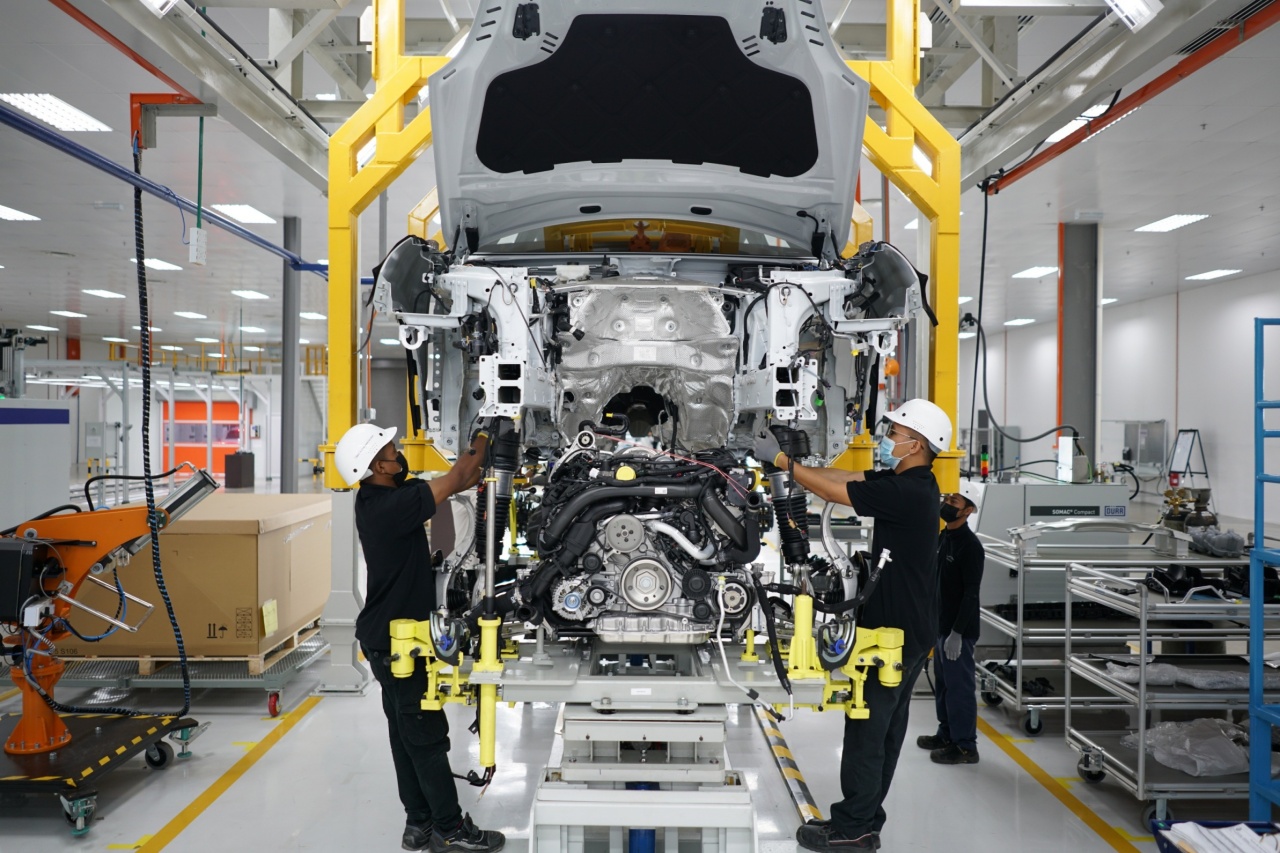
The minister also defended MITI’s direction on automotive policy, including requirements related to local assembly, minimum pricing, and export commitments. He said these measures are not meant to deter new investors, but to ensure that local assembly capacity moves towards higher-value segments and supports the local vendor ecosystem.
Johari also said protection without competitiveness would eventually become a liability, as industries insulated from competition rarely become global leaders.
The broader goal is to build a more competitive automotive industry that can move beyond basic assembly and into higher-value areas such as engineering, systems integration, component development, automotive electronics, semiconductor integration, and complex mechatronics.
Photo credit: MITI Facebook
You might also like: Mazda Malaysia Vendors’ Association Supports MITI’s EV Localisation Direction